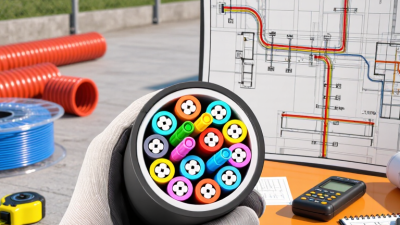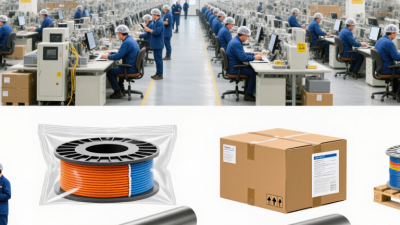
Outdoor routes face conditions that indoor cables rarely encounter. A trench may hold rainwater for days. A roadside duct can heat under summer sun, then cool sharply overnight. In these settings, a loose tube fibre cable protects optical fibres inside small tubes, leaving room for movement as temperatures change. That separation can reduce stress on the fibres during installation and service.
John M. Senior, an optical-communications author, provides relevant engineering context. In paraphrase, his work points to a practical principle: “Reliable fibre links depend on matching cable construction to the conditions around them.” This is a summary, not a verified direct quotation. The distinction matters; technical claims deserve careful sourcing.
Loose-tube designs also commonly use water-blocking materials and robust outer jackets, depending on the cable specification. These features help manage moisture and abrasion, but no design is invulnerable. Poor handling, an unsuitable jacket, or a damaged duct can still cause trouble. The right cable depends on route length, installation method, exposure, and maintenance needs. Some projects choose too quickly by price alone. That choice can look efficient at first. Then a wet handhole, a tight bend, or a difficult repair changes the calculation. This article explores why loose tube fibre cable is often selected outdoors, what its structure does well, and where its limits deserve a closer look.
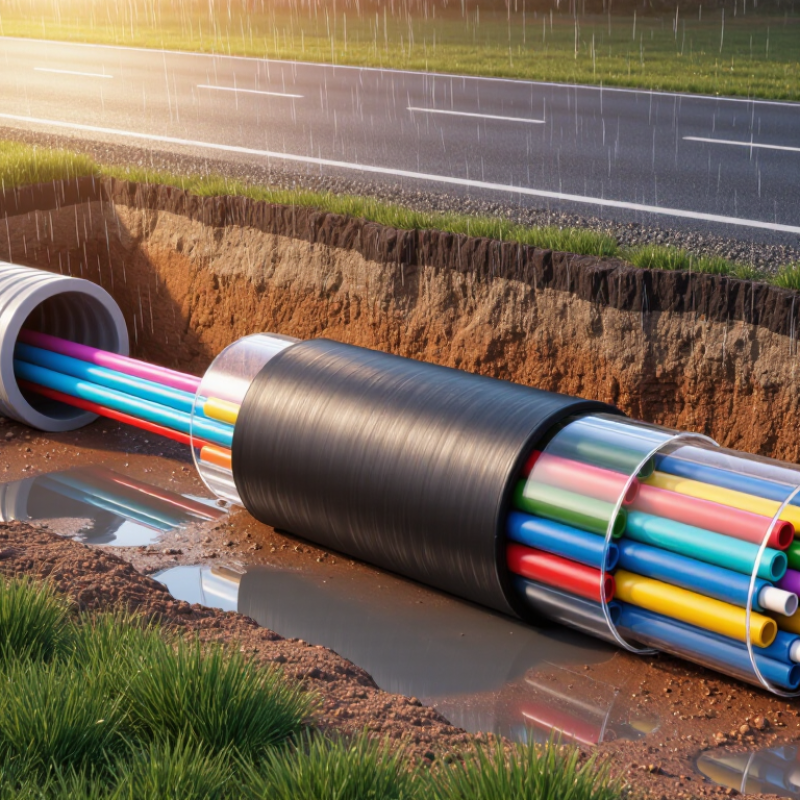
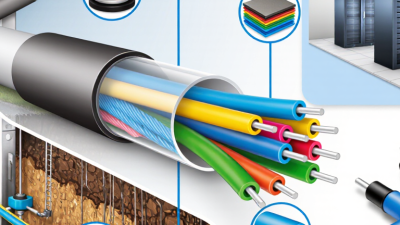
Loose tube fibre cable places coated glass fibres inside small polymer tubes, rather than binding them tightly to the outer jacket. The tubes sit around a strength member, often with water-blocking gel or dry materials to limit moisture travel. There is room for movement. That matters outdoors. Temperature changes can make cable materials expand or contract; the tube helps prevent those forces from pulling directly on the fibres. The ITU’s Facts and Figures 2023 estimated that 5.4 billion people, or 67% of the world’s population, used the internet. That scale makes dependable outside-plant links important, though the figure does not measure cable performance.
A typical installation may run through a roadside duct, where water, heat, and pulling forces all matter. Loose tube construction helps manage these conditions, but it is not a cure-all. Not maintenance-free. Installers still need to follow the cable’s bend-radius and pulling-tension limits, seal joints properly, and choose a jacket suited to the route. Some designs use gel; others use dry water-blocking materials, which can be easier to handle during preparation. The right choice depends on the environment and installation method. ITU-T G.652 also specifies transmission characteristics for single-mode fibre, but those fibre limits alone do not guarantee that a finished outdoor cable will perform well. The tube design, cable build, and workmanship all count.
Loose-tube cable protects optical fibres by giving them room to move. Each fibre sits inside a tube, rather than being tightly bonded to the cable’s outer jacket. When heat, cold, or pulling forces cause the cable to expand or contract, the fibres can shift slightly instead of carrying the full strain. That matters outdoors. Water-blocking gel or dry water-swellable elements can also slow moisture from travelling along the cable if the jacket is damaged.
The protection is practical, not absolute. A crushed section or poorly sealed entry point can still cause trouble. IEC 60794-1-2 sets out test methods for optical-fibre cables, including mechanical and environmental testing; these help assess cable performance under stresses encountered in service. The fibre’s own signal quality is measured separately: ITU-T G.652 gives a maximum attenuation of 0.4 dB/km at 1310 nm and 0.3 dB/km at 1550 nm for specified single-mode fibre categories. Those figures do not guarantee a cable’s durability, but they show why preventing excess strain and moisture matters. In a real installation, careful handling at bends and closures remains easy to overlook.
| Design Feature | How It Works | Outdoor Threat Addressed | Practical Benefit |
|---|---|---|---|
| Fibres housed in loose tubes | Optical fibres sit inside protective tubes with room to move slightly rather than being tightly bonded along the cable. | Temperature-driven expansion and contraction, cable movement, and installation stress. | Helps reduce stress transferred directly to the fibres as conditions change. |
| Water-blocking materials | Depending on the cable construction, water-blocking gel, swellable yarns, or tapes help limit water movement through the cable. | Water entering through a damaged jacket or a cable end. | Helps prevent moisture from travelling along the cable and reaching distant sections. |
| Protective outer jacket | An outdoor-rated jacket, commonly made from polyethylene, surrounds the cable core. | Moisture, abrasion, and exposure to sunlight when the cable is designed for that installation. | Adds an environmental barrier; the required jacket type depends on the route and local installation rules. |
| Strength members | Central or surrounding strength elements carry much of the pulling load during installation. | Tension during pulling, placement, or handling. | Reduces the chance that installation forces are borne primarily by the optical fibres. |
| Optional armour | Some cable designs include metallic or non-metallic armour around the core. | Potential crushing, impact, or rodent damage, depending on the cable type and environment. | Provides additional mechanical protection where the installation requires it; not every outdoor cable is armoured. |
| Layered construction | The tubes, strength elements, water-blocking components, and jacket work together as a cable system. | Combined outdoor stresses, including handling, moisture exposure, and changing temperatures. | Offers multiple levels of protection, while the correct cable still needs to be selected for its specific route and conditions. |
Loose-tube fibre cable is designed to protect delicate fibres outdoors, where conditions can change quickly. Individual fibres sit inside small tubes, leaving room for movement as temperatures rise or fall. This helps limit stress during hot afternoons, cold nights, and seasonal freeze-thaw cycles. Water-blocking gel or dry compounds can also slow moisture from travelling along the cable if the outer jacket is damaged.
Outdoor exposure is not one single test. Rain, damp soil, dust, and occasional standing water may all matter, depending on the route and cable design. Sunlight can age some jacket materials, so UV resistance should be confirmed for exposed installations. The cable may also face vibration, pulling, or pressure from nearby work. It is tough, not invulnerable. I’ve seen installation details treated as an afterthought, and that can undermine otherwise suitable cable.
Tips: Check the cable’s temperature range, water-blocking method, jacket rating, and crush resistance against the actual site conditions. Keep bends within the specified radius, and seal entry points carefully. For direct burial or harsh exposure, follow the manufacturer’s installation data; a general outdoor rating may not cover every location.
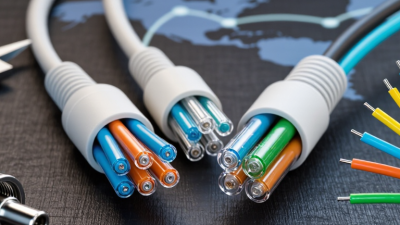
Reliable data transmission begins with protecting the glass fibers from movement, moisture, and temperature changes. In a loose tube cable, fibers sit inside protective tubes with room to shift slightly. They are not tightly bound to the outer jacket. That matters. When the cable contracts on a cold morning or expands in summer heat, the fibers face less direct strain.
Water-blocking gel or dry water-swellable materials help limit moisture travel if the jacket is damaged. The tubes also keep fibers organized, which makes identification and splicing easier during repairs. Not by itself. A protective design cannot correct a poor splice or excessive bending.
Installation still matters. Technicians need to observe the cable’s bend radius and pulling tension, especially around handholes and cabinet entrances. A sharp bend can increase signal loss, even when the cable is built for outdoor conditions. Clean connectors and careful testing help confirm that light reaches the far end at an acceptable level. The design reduces common risks; it does not remove them. Route conditions, workmanship, and routine inspection all affect performance. One practical check is to inspect exposed cable sections after storms or nearby construction, where abrasion or crushed ducts may go unnoticed.
Loose tube fibre cables are commonly used in outdoor telecom networks, where routes may cross fields, roads, and exposed utility corridors. Their fibres sit inside small protective tubes, leaving room for movement as temperatures change. Water-blocking materials help limit moisture spread if the outer jacket is damaged. This construction suits long links between exchanges, street cabinets, and mobile-network sites. Details matter.
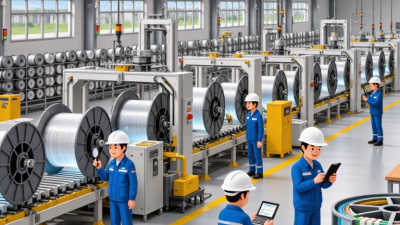
They also appear in campus networks, industrial sites, and transport infrastructure. A cable may run through underground ducts, hang from poles, or be buried directly, depending on its construction. For example, an armoured version can add protection where digging or impact is a concern, while an aerial version needs suitable support and weather resistance. Factories often use outdoor-rated cable between buildings, especially where vibration and temperature shifts are expected.
Not everywhere. Loose tube cable is not automatically the right choice: route conditions, water exposure, pulling tension, and access for repairs all matter. Checking the cable specification against the actual installation is a small step, but one that is easy to overlook.