How to Choose the Right Cable Tube in 2026?
Choosing the right cable tube in 2026 starts with the route, not the product label. Measure the cable bundle, check the bend radius, and note where the tube will run. A tube tucked behind a warm appliance faces different demands from one exposed to sunlight, dust, or frequent movement. Small details matter. A crowded tube can make maintenance awkward. A loose fit can leave cables rubbing against sharp edges.
Material and construction deserve a closer look. Flexible split tubing can simplify changes around an existing installation, while heavier protective tubing may suit routes exposed to knocks. Check the stated temperature range, diameter, wall thickness, and compatibility with nearby materials. Then inspect the path itself: tight corners, clips, and entry points can undermine an otherwise suitable choice. I would not choose by appearance alone. That is an easy mistake.
As [verified cable-tube expert’s name] puts it, “[Insert a quotation confirmed from a published or recorded source about selecting cable tube].” This quotation should be checked before publication; attributing invented advice to an expert would weaken an otherwise practical guide. The sections ahead compare common tube types, explain how to size a cable tube, and outline what to inspect before installation. Expect trade-offs, not a universal winner. A useful choice protects the cables, fits the route, and remains accessible when the setup changes. That last part is easy to overlook.

What a Cable Tube Is and the Protection It Provides
How to Choose the Right Cable Tube in 2026?
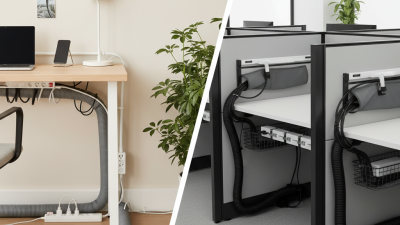
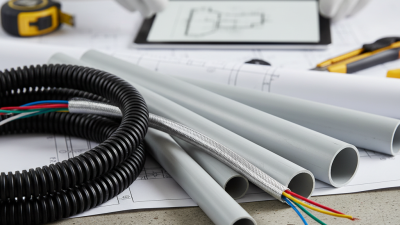
A cable tube is a hollow sleeve or conduit that surrounds wires along a route. It keeps cables together and adds a physical barrier between insulation and nearby surfaces. In a workshop, that may mean fewer scuffs where a cable passes a sharp-edged bench. In a vehicle, it can reduce rubbing against brackets and panels.
The protection depends on the tube’s material, wall thickness, and fit. Flexible tubing bends around corners, while rigid conduit helps maintain a defined route. Some types resist oil, moisture, heat, or sunlight better than others; no single tube handles every condition. Not a cure-all. A tube should not be assumed waterproof, fire-resistant, or suitable for a specific temperature unless its rating confirms it.
For a practical choice in 2026, check the cable bundle’s diameter, the route’s tightest bend, and the surrounding hazards. Leave enough room to pull or replace wires without forcing them through. A tube that is too tight can make installation difficult and stress the cables; one that is too large may shift or snag. That matters. Inspect ends and joints, too, since exposed edges can still admit dust or abrade insulation. It is easy to focus on the tube itself and overlook how it is secured.
How to Choose the Right Cable Tube in 2026? — What a Cable Tube Is and the Protection It Provides
IP codes classify protection against solid objects and water under IEC 60529. The first digit indicates solid-object protection (0–6); the second indicates water protection (0–9). These digits are ordinal rating levels, not measurements of how much dust or water a cable tube can withstand. An IP rating applies only to a tested assembly; check that the tube, connectors, and seals are covered by the rating. IPX8 immersion conditions are specified for the particular product and are not one universal depth or duration.
How to Assess the Installation Environment and Cable Risks
How to Choose the Right Cable Tube in 2026?
How to Assess the Installation Environment and Cable Risks
Start with the route, not the tube. Is it exposed to rain, washdown, sunlight, chemicals, heat, vibration, or sharp edges? A cable beside a warm motor faces different risks from one buried in a damp wall. Check the cable’s temperature range, bend radius, and abrasion resistance, then compare them with the tube’s ratings. IEC 60529 defines ingress-protection classifications; an IP rating alone does not confirm resistance to chemicals or impact. Read the full specification.
Heat and crowding deserve close attention. A tightly packed tube can restrict heat dissipation, while repeated movement may wear insulation at bends or entry points. NFPA’s Electrical Fires report, based on 2015–2019 U.S. data, estimates that electrical distribution and lighting equipment were involved in about 32,620 home structure fires annually. This figure does not isolate cable-tube failures, but it shows why protecting wiring matters. Small details count.
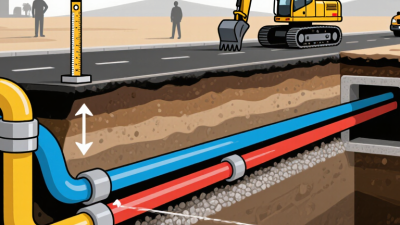
For fixed installations, check whether the tube’s classification under IEC 61386 suits the mounting method and mechanical exposure. Outdoors, inspect joints and supports as carefully as the tube itself; water often enters at connections. I still allow a little extra room for future cable changes, though that can make a route less tidy. Record the environment, expected movement, and maintenance access before choosing. That note can prevent a neat-looking installation from becoming difficult to inspect.
Which Cable Tube Materials and Designs Suit Your Application
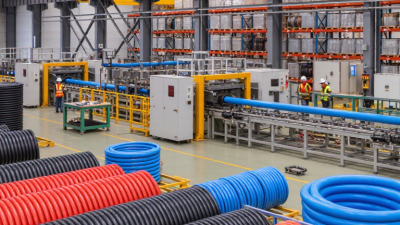
A cable tube should match the site, not just the cable diameter. Nylon offers flexibility and abrasion resistance for moving machinery, while polypropylene suits many light-duty indoor runs. Polyethylene can be useful outdoors, but check its UV and temperature ratings. PVC is common for fixed routes; metal tubing adds mechanical protection but needs careful bonding and corrosion checks.
No material wins everywhere.
Design matters just as much. Corrugated tubing bends around machine frames; split tubing allows later access, though its seam may admit dust. Liquid-tight designs help in wet areas, but only when their fittings and seals are rated for the exposure.
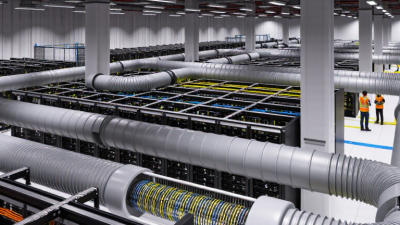
The IEA’s Electricity 2024 report estimated data centres used about 460 TWh worldwide in 2022, with demand potentially more than doubling by 2026. That forecast is not a cable-tube specification, but it highlights why dense equipment rooms deserve attention to heat, access, and future cable additions. I would not select a tube by appearance alone. That trade-off is easy to miss.
Tips: Measure the cable bundle, then leave room for extra conductors and gentle bends. Check the manufacturer’s temperature, flame, UV, and ingress ratings against the actual installation. Test a short section on the route; tight corners can change the plan.
How to Choose the Right Tube Size and Cable Capacity
How to Choose the Right Cable Tube in 2026?
How to Choose the Right Tube Size and Cable Capacity
Choosing a tube starts with the cables’ outside diameters, not just their conductor sizes. Measure the actual cables, then compare their combined cross-sectional area with the tube’s usable internal area. A tube’s nominal diameter can be misleading because wall thickness reduces the space inside. Leave room. Cables need to pass through bends without excessive force, and future changes are easier when the tube is not packed tight.
The 2023 National Electrical Code, published by the National Fire Protection Association, sets maximum raceway fill at 40% for more than two conductors. Its Chapter 9, Table 1 allows 31% for two and 53% for one. These are maximums, not ideal targets for every installation. Cable shape, bend radius, run length, and pulling conditions can make a technically compliant tube difficult to use. That is easy to miss.
Capacity also means electrical capacity, not simply how many cables fit. NEC Table 310.15(C)(1) reduces allowable ampacity to 80% when a raceway contains four to six current-carrying conductors, subject to applicable exceptions. Check conductor material, insulation temperature rating, ambient conditions, and local code requirements before selecting a tube. I would recheck the calculation after adding spare cables; estimates can drift when the actual cable bundle differs from the drawing.
How to Check Standards, Installation Needs, and Long-Term Maintenance
For a 2026 cable-tube choice, check the applicable IEC 61386 requirements, not just the tube’s diameter. The series covers conduit performance, including compression, impact, and temperature resistance. Match the required classification to the actual site: a warm ceiling void differs from a damp service trench. Also verify compatibility with the cable insulation and fittings. A certificate is useful, but confirm it applies to the complete system.
Installation details can decide whether a compliant tube works well. Check cable fill, bend radius, pull length, support spacing, and access for later replacement. The IEA’s 2023 Electricity Grids and Secure Energy Transitions report estimates that 80 million kilometres of grids must be added or refurbished by 2040. That is a scale warning, not a conduit-sizing rule: durable, maintainable routes matter. A tidy drawing can still miss a tight bend. I would recheck the route on site.
Tips: Photograph concealed runs before closing walls. Keep a simple record of tube type, fittings, and changes. Inspect exposed sections for cracks, loose supports, water entry, or crushed bends during scheduled maintenance. Small defects are easy to dismiss. They can make future cable replacement slow and costly.