
reinforcing steel bars are the hidden skeleton of bridges, towers, foundations, and transport networks. They rarely attract attention after concrete is poured. Yet their grade, rib pattern, diameter, ductility, and corrosion resistance directly influence structural safety and service life. World Steel Association data shows global crude steel production reached approximately 1.89 billion tonnes in 2023. Construction remains the largest steel-consuming sector, representing roughly half of global demand. That scale explains why international buyers need more than a low quotation.
This guide introduces the top 10 types of Reinforcing Steel Bars used across major construction markets. It considers common products such as carbon-steel rebar, welded wire reinforcement, epoxy-coated bars, galvanized bars, stainless steel bars, and high-strength grades. The selection criteria reflect practical procurement concerns: yield strength, elongation, bend performance, weldability, coating quality, mill certificates, and shipment traceability. ASTM A615 and ASTM A706 remain widely referenced in North America, while EN 10080 and ISO 6935-2 support specifications in many other markets. Standards are not interchangeable. Buyers must verify the project code and local acceptance requirements.
The OECD’s Steel Market Developments reports continuing regional differences in steel demand, prices, and production capacity. That uncertainty affects delivery planning. A cheaper bar can become expensive when its certificates fail review, ribs do not match drawings, or coastal exposure requires stronger corrosion protection. This ranking offers a useful starting point, not a final engineering decision. It may simplify a complex market. Experienced buyers should still compare test results, factory controls, and real site conditions before approving any shipment.
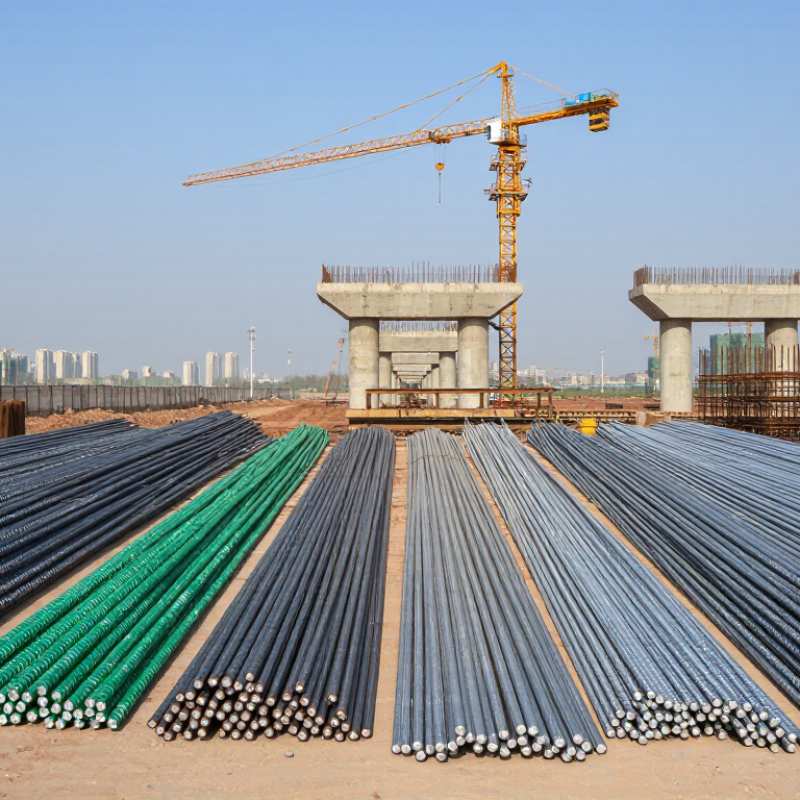
Reinforcing steel bars strengthen concrete where it handles tension, bending, and cracking. Concrete resists compression well, but it needs steel support under loads. Ribbed surfaces improve bonding between the bar and surrounding concrete. This connection helps slabs, beams, columns, bridges, and foundations work as designed.
Global buyers may compare ten common types: plain round, deformed, high-strength, low-alloy, micro-alloyed, weldable, stainless steel, galvanized, epoxy-coated, and threaded bars. Each type serves a different exposure or construction need. Stainless and galvanized bars resist corrosion in harsh environments. Epoxy-coated bars add another protective layer. Weldable grades simplify fabrication, but welding still requires qualified procedures. Threaded bars support mechanical connections and anchoring systems. The cheapest option is not always economical. A small mismatch in grade, diameter, rib pattern, or coating can create costly site problems. Specifications may also vary between national standards, which deserves careful checking.
Tips: Confirm the required standard, yield strength, diameter, length, bend schedule, and test certificates. Inspect rib geometry and coating condition before installation. Ask for heat numbers and traceability records. Keep bars off wet soil and remove heavy rust, oil, or mud before use. Do not assume every “high-strength” label means the same performance. It is wise to review design loads with a qualified engineer. Even experienced teams can overlook storage conditions.
What reinforcing steel bars are and why their minimum yield strength matters in structural design.
Reinforcing steel bars are embedded in concrete to improve tensile capacity, control cracking, and enhance structural durability. The chart compares nominal minimum yield strengths stated in widely used national and international specifications. Actual selection also depends on ductility, weldability, corrosion protection, diameter, seismic requirements, and project codes.
Reinforcing bars are classified by grade, shape, surface, chemistry, and intended use. Plain round bars have smooth surfaces and suit simple ties or dowels. Deformed bars use ribs to improve concrete bonding. High-yield bars provide greater strength with smaller diameters. Low-alloy bars improve performance under demanding loads. Weldable grades control carbon content and support reliable fabrication.
Other common types include seismic bars, epoxy-coated bars, galvanized bars, stainless steel bars, and threaded bars. Seismic grades offer controlled ductility during movement. Coatings help resist moisture and chloride exposure, but damaged areas need inspection. Stainless steel performs well in aggressive environments, although its cost is higher. Threaded bars simplify mechanical connections. Useful, but not always necessary.
Standards define more than strength. They may specify rib geometry, elongation, chemical limits, bend tests, weldability, and size tolerances. ASTM, EN, BS, JIS, and GB systems do not use identical grade names. A grade marked as 500 may still differ in ductility or testing requirements. Buyers should compare mill certificates with project specifications, not labels alone. Check diameter with a caliper. Review heat numbers, test results, and coating thickness. The categories can overlap, and that is easy to miss. A practical mistake is assuming all “high-strength” bars behave equally during bending. They do not. Local fabrication equipment and the engineer’s approved design remain decisive.
Ten Main Types of Reinforcing Steel Bars for Global Buyers
Global buyers commonly compare ten main types of reinforcing steel bars. Plain round bars suit light reinforcement and temporary fixing. Deformed bars provide stronger concrete bonding through their ribs. High-strength bars reduce steel weight in heavily loaded structures. Weldable bars help fabricators create stable reinforcement cages. Low-alloy bars offer improved strength and toughness. Microalloyed bars use small alloy additions for reliable performance. Quenched-and-tempered bars combine a strong outer layer with a tougher core. Epoxy-coated bars resist moisture and chloride attack. Galvanized bars provide another corrosion-control option. Stainless steel bars serve severe marine or chemical environments, where durability justifies higher cost.
Selection should follow structural drawings, local codes, and project exposure conditions. A coastal bridge may need coated or stainless reinforcement, while a dry warehouse may not. Buyers should verify diameter, rib pattern, grade, length, bundle weight, and bendability. Check the mill certificate carefully. It should match the heat number marked on each bundle.
Do not trust appearance alone. Shiny bars can still have poor traceability. Surface rust is sometimes acceptable, but deep pitting is not. Request tensile strength, yield strength, elongation, bend-test, and chemical-composition results from an independent laboratory when risk is high. Weldable steel still needs a suitable welding procedure. I would also confirm coating thickness and damaged-area repair requirements before shipment. Small specification gaps often become expensive site delays.
Global buyers often compare rebar by grade, diameter, and quoted price. That is not enough. Common choices include carbon steel, weldable rebar, microalloyed high-strength bars, galvanized bars, epoxy-coated bars, stainless steel, and corrosion-resistant alloy types. Each option changes strength, durability, fabrication needs, and project risk. Deformed surfaces improve concrete bonding, while smooth bars may suit limited applications.
Performance should be checked through yield strength, tensile strength, elongation, bend tests, and fatigue data. Ask for current mill certificates and independent laboratory reports. Confirm chemical limits, weldability, dimensional tolerance, and traceability. Standards differ between markets, so match the bar to the project specification before comparing offers. A certificate alone is not proof of consistent production. Sampling matters.
Cost needs a wider calculation. Include freight, coating damage, cutting loss, welding labor, inspection, and replacement risk. Galvanized or stainless bars may cost more initially, but they can reduce maintenance near saltwater or chemical exposure. Epoxy coatings need careful handling; scratches can create weak points. I have seen buyers select cheaper carbon steel, then pay more for repairs. A low price can mislead. Still, premium corrosion protection is not always necessary. Review exposure conditions, service life, installation quality, and local availability. Some comparisons remain uncertain because future maintenance is difficult to price accurately.
| No. | Rebar Type / Grade | Primary Standard | Minimum Yield Strength | Minimum Tensile Strength | Ductility / Seismic Suitability | Typical Compliance Evidence | Relative Cost Band | Best-Fit Applications |
|---|---|---|---|---|---|---|---|---|
| 1 | Grade 40 | ASTM A615/A615M | 280 MPa | 420 MPa | Moderate ductility; generally selected for conventional, non-seismic concrete work where permitted. | Mill test certificate, chemical analysis, tensile test, bend test, heat/lot traceability. | Low | Light to medium-duty slabs, foundations, residential and general concrete reinforcement. |
| 2 | Grade 60 | ASTM A615/A615M | 420 MPa | 620 MPa | Widely used strength level; ductility is lower than dedicated weldable/seismic grades. | Mill test certificate, yield/tensile results, elongation, bend performance, dimensional inspection. | Low–Medium | General reinforced concrete buildings, bridges, foundations and infrastructure. |
| 3 | Grade 80 | ASTM A615/A615M | 550 MPa | 690 MPa | Higher strength can reduce steel quantity; verify project ductility and detailing requirements. | Grade-specific mill certificate, tensile and bend tests, dimensional and mass-per-metre checks. | Medium–High | High-load columns, heavily reinforced members and designs seeking reduced congestion. |
| 4 | Grade 60 Weldable | ASTM A706/A706M | 420 MPa | 550 MPa | Controlled chemistry and tensile properties; preferred where welding and seismic ductility are important. | Mill certificate with carbon-equivalent data, tensile/yield ratio, elongation, bend and traceability records. | Medium–High | Welded cages, seismic frames, moment-resisting systems and critical infrastructure. |
| 5 | B500B | EN 10080 | 500 MPa | 540 MPa minimum ratio-based requirement | Agt elongation typically at least 5%; suitable for standard reinforced concrete design. | Declaration of performance or equivalent conformity documents, mill certificate, tensile and bend/rebend tests. | Medium | European-type building, civil engineering and infrastructure projects. |
| 6 | B500C | EN 10080 | 500 MPa | 575–675 MPa typical specified range | Agt elongation typically at least 7.5%; enhanced ductility for seismic and cyclic loading. | Conformity certificate, heat traceability, tensile/yield ratio, elongation, bend and rebend results. | Medium–High | Seismic zones, ductile frames, bridges and structures subject to repeated or dynamic loading. |
| 7 | B500B | BS 4449 | 500 MPa | 540 MPa minimum ratio-based requirement | Normal ductility class; suitable when project specifications do not require the highest ductility class. | UK conformity documentation, mill certificate, tensile, elongation, bend/rebend and dimensional tests. | Medium | Projects using British Standards, including buildings and general civil works. |
| 8 | B500C | BS 4449 | 500 MPa | 575–675 MPa typical specified range | Higher ductility class; commonly selected for seismic detailing and demanding cyclic actions. | Product conformity certificate, heat/lot traceability, tensile/yield ratio, elongation and rebend results. | Medium–High | Ductile structural frames, high-risk facilities and projects with cyclic-load requirements. |
| 9 | SD345 | JIS G 3112 | 345 MPa minimum; diameter-dependent upper limit applies | 490 MPa minimum | Conventional Japanese grade with established bend and weldability controls under project requirements. | JIS inspection certificate, tensile and elongation tests, bend test, deformations and mass checks. | Low–Medium | Projects designed to Japanese standards and general reinforced concrete construction. |
| 10 | SD390 | JIS G 3112 | 390 MPa minimum; diameter-dependent upper limit applies | 570 MPa minimum | Higher-strength Japanese grade; confirm ductility, welding and seismic details in the project specification. | JIS inspection certificate, chemical and mechanical test results, bend test, dimensional and traceability records. | Medium | Higher-load members and infrastructure projects using Japanese design and procurement standards. |
| Buyer guidance: Do not treat grades from different standards as automatically interchangeable. Confirm the design code, required ductility class, weldability, bar diameter range, rib geometry, bend/rebend requirements, inspection authority, applicable edition of the standard, delivery tolerances and documentation before placing an order. Cost bands are indicative only and can change with steel market conditions, quantity, diameter mix, certification, freight and destination-country import requirements. | ||||||||
Choosing rebar starts with structural demand, not price. Common options include plain round bars, deformed bars, high-strength bars, TMT bars, weldable bars, threaded bars, low-alloy bars, epoxy-coated bars, galvanized bars, and stainless steel bars. Deformed surfaces improve concrete grip, while coatings can reduce corrosion in marine or humid environments. Stainless steel offers strong durability, but its higher cost requires careful lifecycle evaluation.
Check the drawings, bar diameter, grade, bending schedule, and required mechanical properties. Confirm yield strength, tensile strength, elongation, and weldability through mill certificates and independent testing. Standards differ by market, including ASTM, EN, and BS requirements. Never assume one certificate satisfies every destination. It may not.
Ask suppliers for production origin, traceability records, test reports, packing details, and realistic lead times. Inspect bundles for rust scale, damaged ribs, incorrect labels, or mixed diameters. A 12-meter bundle may seem standard, but transport limits can change the practical order length. Calculate weight from verified dimensions, not only supplier tables. Small deviations become expensive across hundreds of tonnes.
Imported rebar also requires a clear inspection plan. Pre-shipment checks are useful. Container loading photos help. Payment terms should match verified documents and delivery milestones. I have seen buyers focus heavily on unit price and overlook bending losses, port charges, and retesting costs. That approach needs reflection. The cheapest bar is rarely the cheapest installed bar.