Who Are the Top Network Cable Manufacturers in China?
China has a broad network cable industry, serving buyers who need products for offices, data centers, factories, and residential projects. Yet a large catalog does not tell you whether a manufacturer can meet your actual specifications. Copper Ethernet cable, fiber-optic cable, and coaxial cable each require different materials, production controls, and testing methods. Details matter.
This guide introduces leading Chinese manufacturers and the factors worth checking before you request a quotation. Compare product ranges, published technical data, quality-management practices, production capacity, and export experience. For copper cable, ask about conductor material, gauge, shielding, jacket type, and verified performance results. For fiber products, review fiber type, connector options, attenuation data, and inspection procedures. Request sample reels and current test reports when appropriate, then confirm that the tested model matches the one being quoted. A neat specification sheet helps, but it is not proof by itself.
Supplier assessments can be imperfect. Public information may not show how consistently a factory handles custom orders, so buyers should ask clear questions and verify important claims directly. Check traceability, packaging, lead times, and how the supplier manages defects or specification changes. No ranking fits every project. The best network cable manufacturer for a small installation may not suit a large, time-sensitive rollout. Use the companies featured here as a starting point, then match their documented capabilities to your installation, budget, and support needs.
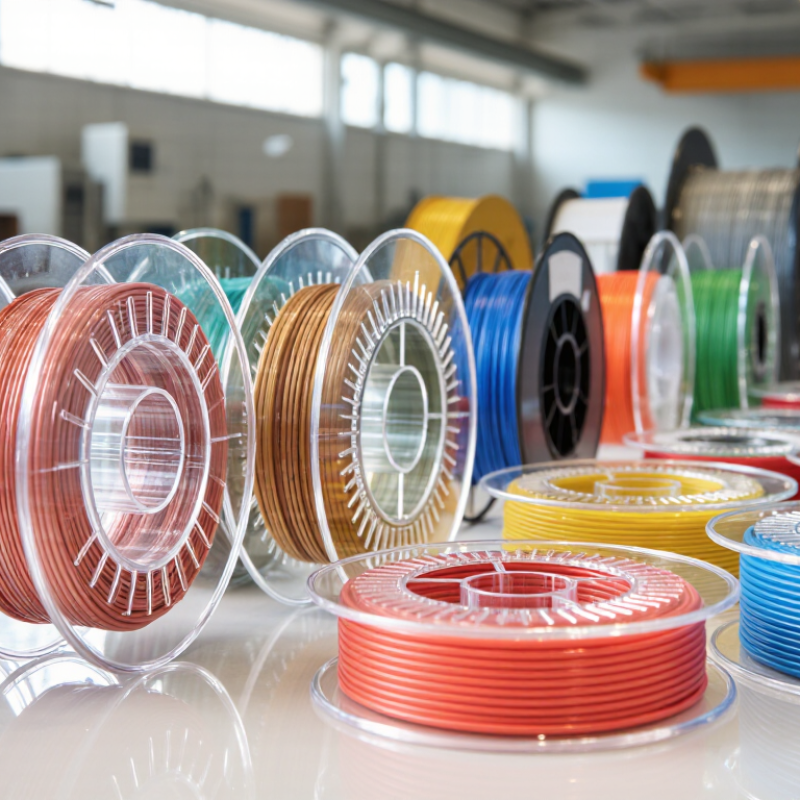
China’s Network Cable Manufacturing Industry and Its Main Product Categories
China’s network cable manufacturing industry serves data centers, offices, homes, factories, and telecommunications projects. Manufacturers produce cables in different constructions, conductor materials, and performance grades. Product choice depends on distance, bandwidth, installation conditions, and equipment compatibility. Small details matter.
Copper twisted-pair cables remain common in building networks. Cat5e and Cat6 are used for many everyday connections, while Cat6A supports higher performance over longer runs when installed correctly. Fiber-optic cables carry data using light and are well suited to high-capacity links between buildings or network rooms. They need suitable connectors and careful handling. A tight bend can damage a fiber.
Other categories include outdoor-rated cables with protective jackets, coaxial cables for specific signal systems, and industrial Ethernet cables designed for vibration, moisture, or temperature changes. Labels alone do not prove performance. Buyers should check conductor size, shielding, jacket material, test results, and stated standards. A useful habit is to compare the product datasheet with the actual installation plan. Even then, specifications can be confusing, and a cable that looks robust may not suit every environment.
Common Network Cable Categories and Rated Frequency
A comparison of commonly referenced twisted-pair cabling categories used in network infrastructure.
Rated frequency is the cabling bandwidth specified for each category; it is not the same as network data rate. Values shown are 100 MHz for Cat 5e, 250 MHz for Cat 6, 500 MHz for Cat 6A, 600 MHz for Cat 7, 1,000 MHz for Cat 7A, and 2,000 MHz for Cat 8.
How to Assess the Scale and Capabilities of Cable Manufacturers
A large factory is not proof of dependable capacity. Ask how many cable lines run daily, how shifts are managed, and whether output records match shipment volumes. Grand View Research’s Structured Cabling Market report estimated the market at USD 10.5 billion in 2022, with an 8.4% projected annual growth rate from 2023 to 2030. That forecast signals demand, not supplier quality. Check whether a manufacturer can increase production without skipping batch testing or stretching delivery promises.
Capability shows up in the details. Request recent test reports for attenuation, return loss, and near-end crosstalk, plus the instrument calibration dates. Compare conductor diameter, copper purity claims, jacket markings, and packaging labels against the product specification. Ask for traceability from raw-material lot to finished reel. Small discrepancies matter. A sample may pass while routine production drifts. No single audit settles it. I would also inspect rejected-batch records and ask how corrective actions were verified. If answers stay vague, the factory’s floor area tells you very little.
Leading Network Cable Manufacturers Based in China
China-based network cable manufacturers serve telecom, data center, enterprise, and building projects. Strong suppliers typically manage conductor drawing, insulation, twisting, jacketing, and testing through controlled production processes. That matters. Consistent conductor diameter and pair geometry help limit signal loss and crosstalk. Buyers should request measured test results, not rely only on a category printed on a reel.
A sound evaluation starts with the application. Cable category, conductor material, shielding, fire-performance requirements, and installation conditions all affect selection. Request current test reports, traceable batch codes, and samples from regular production. Specially prepared samples may not reflect everyday output. Check cable markings and packaging against the technical sheet. Small mismatches can point to gaps in process control.
Manufacturers based in China differ in engineering depth, export experience, and customization options. Ask how they control impedance, verify continuity, and manage rejected batches. Clear answers help. Vague promises do not. A low quote may suit a simple project, but deserves closer scrutiny when specifications are demanding. Even a capable supplier can miss a detail, so document tolerances, delivery terms, and acceptance tests before production begins.
Key Products, Technologies, and Markets Served by These Manufacturers
Chinese network cable manufacturers supply copper twisted-pair cables, fiber-optic cables, patch cords, and pre-terminated assemblies. Common copper offerings include Category 6 and 6A for office networks, with higher categories used in demanding data-center links. Fiber products serve longer runs and high-capacity connections. Some factories also make low-smoke, halogen-free jackets, armored outdoor cables, and cables designed for power over Ethernet. Small details matter. A jacket’s flexibility and a connector’s finish can affect installation time and link reliability.
Technology choices reflect changing demand. The Global Structured Cabling Market report from Grand View Research valued the market at about US$12.7 billion in 2023 and projected an 8.2% compound annual growth rate through 2030. China’s Ministry of Industry and Information Technology reported 3.38 million 5G base stations nationwide by the end of 2023, supporting continued investment in connected infrastructure. Manufacturers therefore serve data centers, telecom networks, commercial buildings, factories, and transport projects. Their technical work includes shielding, fiber bending performance, connector termination, and transmission testing. Not glamorous, but critical.
Buyers should compare verified test results, conductor quality, attenuation figures, and batch traceability—not just catalogue speeds. Independent certification and clear test methods make product claims easier to assess. A specification sheet can still miss installation realities: tight cable trays, hot ceilings, or rushed terminations expose weaknesses quickly. The market is broad, and no single cable type fits every site.
Factors to Consider When Comparing Chinese Cable Suppliers
When comparing Chinese network-cable suppliers, look beyond price and catalog claims. MarketsandMarkets estimated the structured-cabling market at USD 11.3 billion in 2023, with a projected 6% annual growth rate through 2028. This signals demand, not supplier quality. IDC also forecast worldwide spending on compute and storage infrastructure would reach USD 273.3 billion in 2024. That figure is not cable-specific, but it helps explain why buyers should verify a factory’s capacity before placing large orders.
Ask for test reports tied to the exact cable model and production batch. For copper Ethernet cable, check conductor size, attenuation, near-end crosstalk, and return loss against the required category and applicable standards. A neat certificate is not enough. Request traceability from the reel label to the test record, then compare samples under consistent conditions. Check whether the supplier controls extrusion, twisting, and final testing in-house, or relies on subcontractors. A short factory audit can reveal more than a polished product sheet. Still, audits miss things; review recent batch records too.
Confirm how the supplier handles failed tests, replacement stock, and changes to materials. Ask for a sample reel and inspect its labeling, jacket consistency, and conductor strands. Small details matter. Also compare lead times and minimum order quantities in writing, since quoted capacity may not reflect peak-season production. A supplier that answers technical questions clearly is easier to assess than one offering only the lowest price.