Top 10 Benefits of Using Fibre Optic Network Cable Today?
In today’s digital landscape, the demand for high-speed internet has drastically increased. Fibre optic network cable has emerged as a superior choice for connectivity. This technology offers many advantages that cater to both businesses and individuals. With its capability to transmit data over long distances with minimal loss, it stands out in performance.
The installation of fibre optic network cable can enhance the overall efficiency of communication systems. It facilitates faster internet speeds and better reliability compared to traditional copper cables. Users often report reduced lag times and an improved online experience, making it ideal for streaming and gaming.
However, while fibre optics present undeniable benefits, their installation can be costly and complex. Some businesses may hesitate due to the upfront expenses. Still, the long-term gains, both financially and operationally, can outweigh these initial challenges. Understanding these aspects allows users to make informed decisions about upgrading their network infrastructure.
Advantages of High-Speed Data Transmission with Fibre Optic Cables
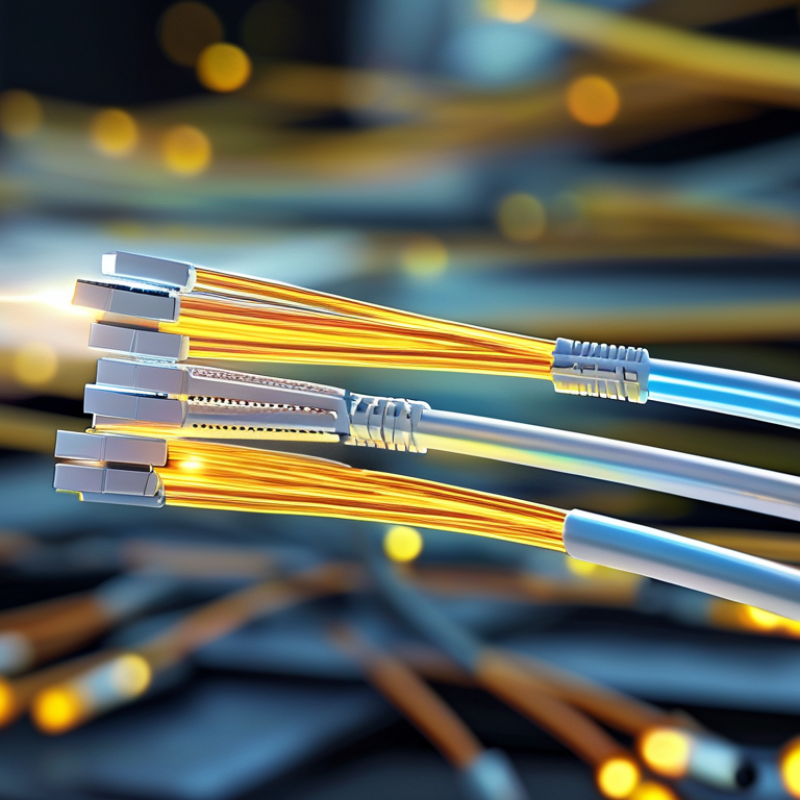
Fibre optic cables offer significant advantages in high-speed data transmission. They use light instead of electricity to transmit data, allowing for much faster speeds. According to a study by the International Telecommunication Union, fibre optic networks can reach speeds of up to 100 Gbps, far surpassing traditional copper cables. This capability is crucial in an era where bandwidth demands are skyrocketing due to streaming, gaming, and cloud computing.
One key benefit is reduced latency. Data travels through fibre optics at about 70% the speed of light, minimizing delays. Research indicates that this can lead to improved performance in applications requiring real-time communication, such as VoIP and online gaming. Additionally, fibre optic cables are less susceptible to interference and signal degradation than their copper counterparts. This results in more reliable connections, which is essential for businesses dependent on seamless data transmission.
Despite the many advantages, transitioning to fibre optic infrastructure can be daunting. The installation process often requires trenching and specialized equipment, making it a costly investment. Businesses must assess their current setup against future needs. While the long-term benefits are clear, initial challenges in implementation should not be overlooked. Careful consideration and planning are necessary to fully leverage the potential of fibre optic technology.
Enhanced Security Features of Fibre Optic Networks Compared to Copper Cables
Fibre optic networks offer significant security advantages over traditional copper cables. One key benefit is their resistance to electromagnetic interference. This quality not only enhances signal quality but also protects data from unauthorized access. Unlike copper, which can transmit signals in ways that are more prone to interception, fibre optics ensure data travels securely over longer distances.
Another important aspect is the difficulty in tapping fibre optic lines. It requires specialized equipment and knowledge to access the data within these cables. In contrast, copper cables allow easier physical access, making them more vulnerable to breaches. This built-in security feature makes fibre networks a reliable choice for businesses that prioritize data integrity.
Despite these advantages, implementing fibre optic networks can pose challenges. Costs for materials and installation may be higher upfront. Additionally, some technicians may lack the necessary skills for fibre optic maintenance. Investing in proper training can help overcome these obstacles. As technology evolves, it becomes essential to weigh the initial investment against the long-term security benefits.
Increased Bandwidth Capacity of Fibre Optic Infrastructure for Growing Demand
Fibre optic network cables are transforming our digital landscape. Their ability to accommodate increased bandwidth capacity is crucial.
With the rise of streaming services, online gaming, and cloud computing, the demand for faster internet is soaring. Fibre optics can transmit data over longer distances without degradation.
This makes them ideal for meeting modern connectivity needs.
One remarkable aspect is the sheer volume of data they handle. Fibre optics can support thousands of simultaneous connections.
This is a game-changer for businesses and individuals alike. However, challenges remain. Installing fibre optic networks can be expensive and time-consuming.
Skilled professionals are needed for both installation and maintenance. There’s also an ongoing need to evaluate and upgrade existing infrastructures.
Yet, the advantages often outweigh the obstacles. With higher bandwidth, users experience smoother connections.
This is especially vital in dense urban areas where demand is high. The future points towards broader adoption of fibre optic technology.
It promises to enhance the overall digital experience. But organizations must remain aware of the hurdles in implementation.
Longevity and Durability of Fibre Optic Cables in Various Environments
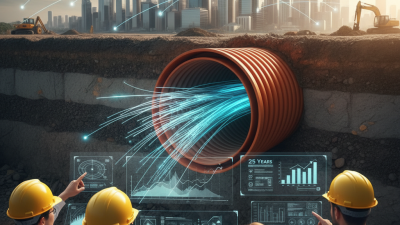
Fibre optic cables are gaining popularity for their extreme durability and longevity. Unlike traditional copper cables, fibre optic cables resist environmental stresses. They can withstand extreme temperatures, moisture, and even chemical exposure. A study by the International Telecommunications Union highlights that fibre optic cables can last up to 25 years or more with minimal signal degradation.
In various environments, the resilience of fibre optics shines. For instance, they can operate efficiently in wet or humid conditions, unlike copper, which is prone to corrosion. In fact, a report from the Fibre Optic Association mentions that fibre cables maintain their integrity even when exposed to harsh factors like UV light and temperature fluctuations. This means fewer replacements and a lower overall cost in the long run.
However, it’s essential to consider installation. Proper installation techniques are critical for maximizing the lifespan of fibre optic networks. Inadequate handling can lead to micro-bends, impacting performance. Understanding these nuances can ensure that users reap the maximum benefits of fibre optics in varying environments. The durability of fibre optic cables proves invaluable, yet it requires thoughtful implementation.
Cost-Effectiveness of Fibre Optic Installation and Maintenance Over Time
Fibre optic cables have gained popularity due to their cost-effectiveness in installation and maintenance. According to a report by the International Telecommunication Union, fibre optic installations can be up to 40% cheaper than traditional copper cables over time. This is largely attributed to the lower maintenance costs. While fibre optics may have higher initial installation expenses, these are quickly offset by their longevity and durability.
One key advantage of fibre optic networks is their reduced energy consumption. Research shows that fibre systems are more efficient, leading to lower electricity bills. Businesses often report a decline in operational costs by as much as 30% after switching to fibre. Moreover, the maintenance of these systems typically requires fewer resources, emphasizing their suitability for organizations focused on sustainability.
However, it's worth noting that fibre optic deployment can present challenges. The training needed for technicians can be an obstacle. Additionally, while the material costs for fibre may drop over time, installation in difficult-to-reach areas can lead to unexpected expenses. Organizations must weigh these factors carefully when considering fibre optics as their preferred network solution.
Top 10 Benefits of Using Fibre Optic Network Cable Today
| Benefit |
Description |
Cost-Effectiveness Over Time |
| High Bandwidth Capacity |
Fibre optic cables can carry a substantial amount of data at high speeds. |
Less equipment required, reducing long-term costs. |
| Long Distance Transmission |
Fibre optics transmit data over longer distances without signal loss. |
Fewer repeaters lead to lower installation costs. |
| Immunity to Electromagnetic Interference |
Fibre optic cables are not affected by electromagnetic interference. |
Less maintenance needed, reducing costs over time. |
| Enhanced Security |
Difficult to tap into, providing better security for data. |
Lower risk of data breaches translates to cost savings. |
| Durability and Longevity |
Fibre optic cables can last longer than copper cables. |
Reduced need for replacements lowers long-term expenses. |
| Lightweight and Thin Design |
Easier to install and manage due to their lightweight nature. |
Lower installation costs due to faster setup times. |
| Future-Proof Technology |
Can handle increasing data demands for years to come. |
Minimizes the need for expensive upgrades. |
| Quality of Service |
Provides consistent and reliable connection quality. |
Improved customer satisfaction can lead to retention savings. |
| Eco-Friendly Option |
Lower energy consumption compared to copper cables. |
Reduces energy costs for long-term savings. |
| Versatile Applications |
Used in various sectors including telecommunications and networking. |
Wider usability enhances overall investment value. |