What Are the Top 6F Cable Types in 2026?
A 6f cable contains six optical fibers, but that simple number does not tell the whole story. In 2026, the right cable depends on where it will run, how it will be installed, and what conditions it must withstand. A short indoor link has different needs from a cable buried outdoors or suspended between buildings. Consider a crowded conduit, a damp utility space, or a sun-exposed pole. Each setting can change the practical choice. Small details count.
This guide compares six common options: tight-buffered, loose-tube, ribbon, armored, aerial, and indoor/outdoor 6F cables. Tight-buffered designs often suit indoor routes and straightforward termination. Loose-tube construction is commonly used outdoors, where moisture protection matters. Ribbon cable can organize fibers compactly, while armor adds a physical barrier in demanding pathways. Aerial models are built for supported overhead spans, and indoor/outdoor versions can bridge transitions between environments. These are useful starting points, not universal rules. Product designs vary, and labels alone cannot confirm performance.
Before choosing, check the cable’s construction, fiber type, jacket rating, bend limits, and installation requirements against the actual route. Ask the supplier for current datasheets, and confirm compatibility with connectors and equipment. A cable that looks robust may still be unsuitable for a tight bend or a particular environment. That deserves a second look. This overview offers a practical way to compare the top 6F cable types in 2026 without treating “top” as a one-size-fits-all ranking.
What Does 6F Cable Mean and How Is It Structured?
In fiber-optic labeling, 6F means the cable contains six optical fibers. It describes fiber count, not a complete cable design. The fibers carry light signals, while surrounding layers protect and support them. A 6F cable may still differ in diameter, water resistance, fire rating, and installation method. That label is useful, but incomplete.
A typical construction places six color-coded fibers inside a protective buffer or tube. Common color sequences help technicians identify individual fibers, but the applicable sequence should be confirmed in project documents. In loose-tube designs, fibers sit inside a small tube, often with gel or dry water-blocking material. In tight-buffered designs, each fiber has a thicker polymer coating for easier handling indoors. Details matter. Not always.
Strength members, such as aramid yarn or fiberglass rods, may surround the buffered fibers, beneath an outer jacket. The jacket and cable construction help determine whether a cable suits indoor, outdoor, duct, or aerial routes. Six fibers may be enough for a compact link, but leave limited room for expansion. It is easy to overlook. Before choosing a cable, check fiber type, connector plan, bend radius, pulling requirements, and environmental rating against the actual route.
Which Factors Distinguish 6F Cable Designs?
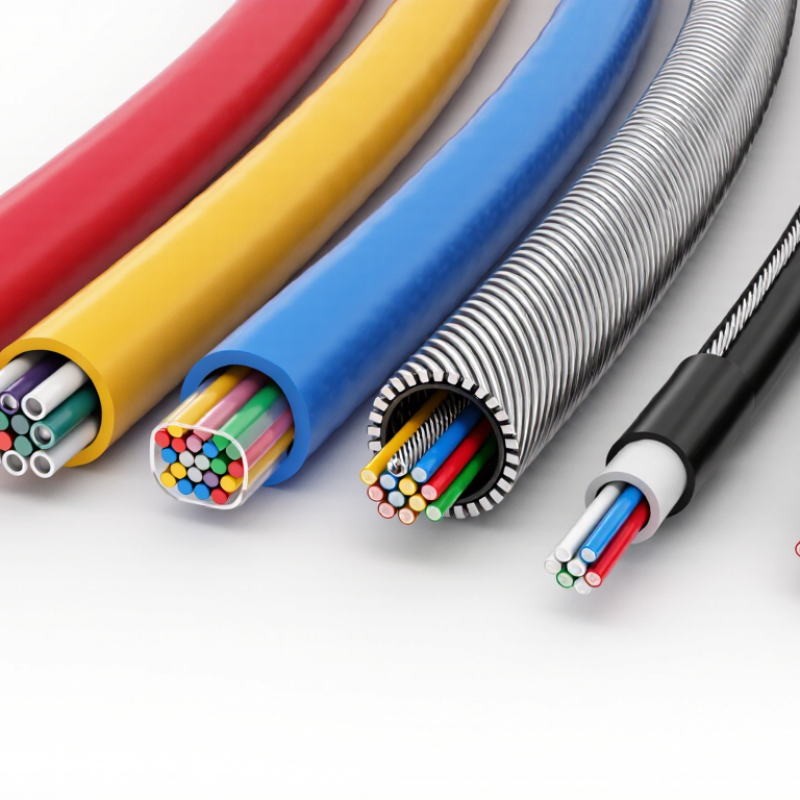
Six-fiber (6F) cables differ most in how their fibers are arranged and protected. A tight-buffered design places a protective coating around each fiber, making termination straightforward for indoor patching and equipment connections. A loose-tube design gives fibers more room inside protective tubes, which can help manage moisture and temperature changes outdoors. Some compact cables arrange fibers in a ribbon, while others use a simple bundle. The right structure depends on the route, not just the fiber count. Small detail, big difference.
Jacket material and strength members also shape a cable’s use. Indoor jackets are chosen for building environments, while outdoor versions may add moisture barriers and tougher outer sheaths. Aramid yarn or a central strength element can reduce strain during pulling, but installers still need to respect the cable’s bend radius. That limit matters around tight corners and crowded cabinets. Connector compatibility, cable diameter, and expected pulling distance deserve attention too. A six-fiber cable is not automatically easier to install than a higher-count option; its small size can make handling less forgiving. I would compare the actual route and termination plan before choosing, since product descriptions rarely capture every site constraint.
What Are the Six Main Types of 6F Cable in 2026?
Six main 6F cable types in 2026 are tight-buffered, loose-tube, ribbon, armored, aerial, and direct-buried. “6F” means six optical fibers; it does not define one cable construction. These categories can overlap: a loose-tube cable, for example, may also be armored. The list is practical, not a formal universal classification.
Tight-buffered cable suits indoor routes and short runs between equipment rooms. Loose-tube designs protect fibers from moisture and temperature shifts outdoors. Ribbon cable packs fibers into flat ribbons, making high-density splicing faster, though it can be less convenient for small, irregular routes. Armored cable adds crush and rodent protection. Aerial cable hangs between poles, while direct-buried cable is designed for underground placement. Choose by route, handling, and installation conditions—not fiber count alone. A cable that survives a lab test may still be awkward to install on a crowded pole.
Grand View Research valued the global fiber optics market at about US$8.92 billion in 2023 and projected 6.5% annual growth from 2024 to 2030. That market figure indicates expanding demand, but it does not rank these six constructions. Check the cable’s datasheet for fiber type, bend radius, water blocking, and temperature range. Small details matter. The same 6F count can hide very different field performance.
Where Is Each 6F Cable Type Commonly Used?
A 6F cable contains six optical fibers, but its construction determines where it works best. Tight-buffered 6F cable is common inside offices, equipment rooms, and building risers. Its fibers are easier to handle during short indoor runs. Installers can route it through trays and cabinets without loose tubes. Keep it away from places with heavy moisture or crushing pressure.
Loose-tube 6F cable is often used outdoors, especially in ducts between buildings. The fibers sit inside protective tubes, helping manage temperature changes and damp conditions. For buried routes, armored 6F cable adds a barrier against soil pressure and accidental digging. It is tougher. Still, armor does not make a cable immune to poor installation or water entering damaged ends.
Aerial self-supporting 6F cable is used on poles where underground pathways are unavailable. Flat 6F drop cable commonly connects a street distribution point to a home or small office. In dense sites, duct-rated cable can pass through conduits and building entry points. Match the design to the route, not just the fiber count. A detail people sometimes overlook: bend radius matters, even on a short run. And the right choice can be less obvious when a route changes from indoor to outdoor.
What Are the Top 6F Cable Types in 2026? — Where Is Each 6F Cable Type Commonly Used?
Note: “6F” means the cable contains six optical fibers; it does not define a single construction or use. Available designs and ratings vary, so confirm the cable specification and applicable installation requirements before selection.
How to Choose a 6F Cable for a Specific Installation?
What Are the Top 6F Cable Types in 2026?
A 6F cable contains six optical fibers, but “6F” does not specify the cable’s construction or fiber mode. Common choices include indoor tight-buffered, outdoor loose-tube, armored, aerial, direct-burial, and indoor/outdoor designs. Each suits different conditions. The best option depends on the route, not a ranking.
How to Choose a 6F Cable for a Specific Installation?
Start with the environment. For an indoor equipment room, tight-buffered cable is often easier to handle and terminate. Outdoor routes exposed to moisture may need loose-tube construction and water-blocking features. Choose armored cable where crushing or rodent damage is a concern, and aerial cable for supported overhead spans. Direct-burial designs need protection suited to soil and installation conditions. These categories can overlap, so check the cable’s full construction.
Then confirm fiber mode, distance, connector type, and equipment compatibility. OS2 single-mode fiber is common for longer links; multimode may suit shorter runs with compatible transceivers. Measure the route, include service loops, and check bend-radius limits before ordering. A tidy spec sheet can still miss a tight conduit bend. Recheck the path on site.
Tips: Label both ends before pulling. Keep fiber away from sharp edges, and avoid exceeding the specified pulling tension. When details are uncertain, verify them with the installer and equipment documentation.
What Are the Top 6F Cable Types in 2026?
Compare common six-fiber cable constructions and choose one to match the installation environment.
Each format shown is a six-fiber configuration; the chart compares fiber count, not performance or ranking. Choose indoor tight-buffered cable for building runs, loose-tube or armored cable for outdoor routes, ADSS for aerial deployment, microduct cable for duct installation, and drop cable for the final connection to a premises. Confirm jacket, water-blocking, bend-radius, and temperature requirements against the route and local specifications.