Ultimate Tips for Choosing a Wifi Smart Switch for Your Home?
Choosing the right Wifi Smart Switch can greatly enhance your home’s functionality. These devices offer convenience in managing home electronics, allowing control from anywhere. However, not all Wifi Smart Switches are created equal, and making an informed decision is crucial.
With many options available, it’s essential to consider compatibility with your existing devices. Look for switches that easily connect with your home network. Functions like remote access and scheduling provide flexibility but can vary by model. Some switches may lack necessary features, causing frustration down the line.
Consider the design and physical appearance of the Wifi Smart Switch too. Aesthetics matter in home decor. A bulky, unattractive switch can clash with your style. It’s also vital to check user reviews. They often reveal what manufacturers may not disclose. Balancing features with reliability can be challenging, yet rewarding once you find the right fit for your home.
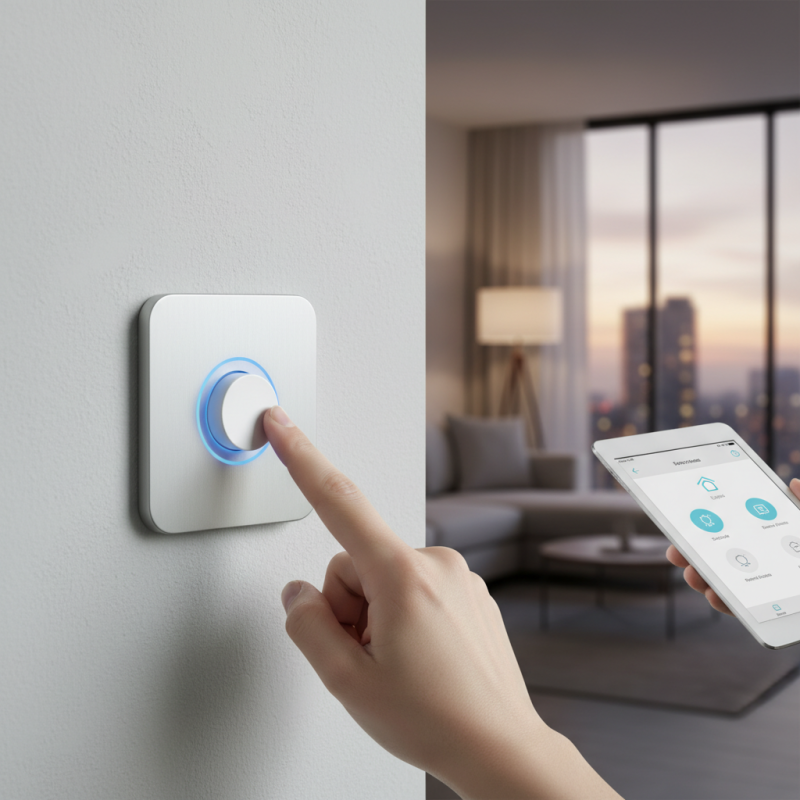
Factors to Consider When Selecting a Wifi Smart Switch for Home Use
When selecting a WiFi smart switch for your home, consider compatibility first. Not all switches work with every router. Check your existing devices and make sure they can connect seamlessly. A smart switch that doesn’t sync can lead to frustration.
Power ratings matter too. Ensure the switch can handle the load of your devices. This is crucial for safety and efficiency. Look for features like energy monitoring. They can give insights into power usage. Small details can make a big difference in your energy bill.
User-friendly apps are essential. If the app is complicated, it can ruin the experience. A clear interface helps in managing multiple switches. Ease of use can determine how often you use the smart switch. Sometimes, simplicity is the best choice. But don’t overlook customer support. If things go wrong, you’ll need assistance.
Understanding the Different Types of Wifi Smart Switches Available
When choosing a WiFi smart switch, it's crucial to understand the various types available. Basic WiFi smart switches typically allow remote control of lights and appliances via an app. These devices usually connect directly to your home's WiFi network. However, their functionality might be limited. They may not support advanced features like scheduling or energy monitoring.
Next, consider smart switches that offer additional features. Some support voice commands, integrating seamlessly with virtual assistants. Others can control multiple devices simultaneously, enhancing convenience. These options often include energy usage tracking, allowing you to monitor your consumption. But, they may require a more complex setup. Users might find installation tricky, leading to potential frustration.
Another type is the smart dimmer switch. These switches let you adjust brightness for different moods. While they offer an appealing aesthetic, dimmers can sometimes be incompatible with certain LED bulbs. This could result in flickering, and that’s not ideal. Understanding these differences helps you make an informed choice, ensuring your smart home functions as you envision.
Ultimate Tips for Choosing a Wifi Smart Switch for Your Home
| Feature | Description | Benefits | Considerations |
| Compatibility | Works with various smart home ecosystems like Alexa, Google Assistant, etc. | Easy integration and voice control capabilities. | Ensure it matches with your current devices. |
| Remote Control | Control your lights from anywhere via a smartphone app. | Convenience and better energy management. | Requires a stable internet connection. |
| Scheduling | Ability to set timers for lights to turn on and off. | Enhanced security and energy savings. | May lead to issues if the schedule is not well managed. |
| User Interface | Ease of use of the mobile application and setup process. | Faster to install and use effectively. | Complex setups may deter less tech-savvy users. |
| Energy Monitoring | Tracks energy usage to optimize consumption. | Promotes energy efficiency and cost savings. | Some models may lack this feature. |
Evaluating the Compatibility of Wifi Smart Switches with Smart Home Systems
When choosing a WiFi smart switch, compatibility with your existing smart home systems is crucial. Many smart home devices operate on different protocols. Ensure the switch you select can connect seamlessly. For example, if your home uses Zigbee or Z-Wave, check if the smart switch supports these technologies. This could save you from compatibility headaches in the future.
Also, consider whether your network can handle additional devices. Every smart switch adds to the load. If your WiFi is already slow, you may face connectivity issues. Think about the layout of your home as well. Are there dead zones? Will the switch still function effectively from different rooms? These details can impact overall performance significantly.
Moreover, it’s important to evaluate user reviews carefully. Sometimes a popular switch may not work well with certain systems. Look for comments related to issues and troubleshooting. Are there regular firmware updates? This can indicate the manufacturer is committed to resolving problems. Evaluating compatibility is not just about connections. It’s about ensuring a smooth smart home experience for you.
Analyzing Energy Efficiency Ratings for Wifi Smart Switch Performance
When selecting a WiFi smart switch, energy efficiency ratings play a crucial role. These ratings indicate how much power the switch consumes during operation. A high energy efficiency rating often translates to lower energy bills. Understanding these ratings helps you make informed decisions for your home.
Consider the design of your smart switch. Some models may claim high efficiency but lack user-friendly features. Look for devices that provide clear indicators or usage logs. This can offer insights into your energy consumption patterns. Analyzing this data allows you to adjust usage habits effectively.
Try to choose switches that offer energy-saving modes. These modes can significantly reduce power waste when devices are not in use. Additionally, some smart switches have scheduling features. This allows you to automate your devices' operation times to maximize efficiency.
While it’s tempting to go for the cheapest option, think long-term. Sometimes, a slightly higher cost can lead to better energy savings. Not all brands provide detailed efficiency ratings, leading to confusion. Take your time to research and gather information. The right choice can enhance both convenience and savings.
Exploring Security Features of Wifi Smart Switches to Protect Your Network
When choosing a WiFi smart switch, security features are crucial. A strong encryption method is essential. It protects your data from potential intruders. Many switches use WPA2 encryption, which is a good start. However, not all devices are equal in security. Check the specifications before making a purchase.
Also, consider additional security features. Some smart switches offer two-factor authentication. This adds an extra layer of protection. You might think, “Do I really need this?” The answer is yes. With smart devices, your entire network is at risk. Weakness in one device can lead to vulnerabilities in others.
Keep your software up to date. Many devices receive security patches. Ignoring updates could expose you to threats. It's easy to overlook, but security is an ongoing process. Moreover, if your device can be remotely accessed, make sure to set strong, unique passwords. A weak password is an easy target. After all, your home's safety hinges on these smart features.
Security Features Comparison of Wifi Smart Switches