Understanding Cable Drops: Why Proper Sizing Minimizes Signal Loss in 95% of Installations
In the realm of telecommunications and data transmission, the term "cable drop" refers to the segment of cable that connects the main service line to the end user's equipment. Proper sizing of these cable drops is crucial, as undersized or improperly installed cables can significantly contribute to signal loss, a problem that affects up to 95% of installations according to industry reports. The Telecommunications Industry Association (TIA) highlights that minimizing such losses is essential not only for maintaining optimal performance but also for enhancing the longevity of the entire communication system.
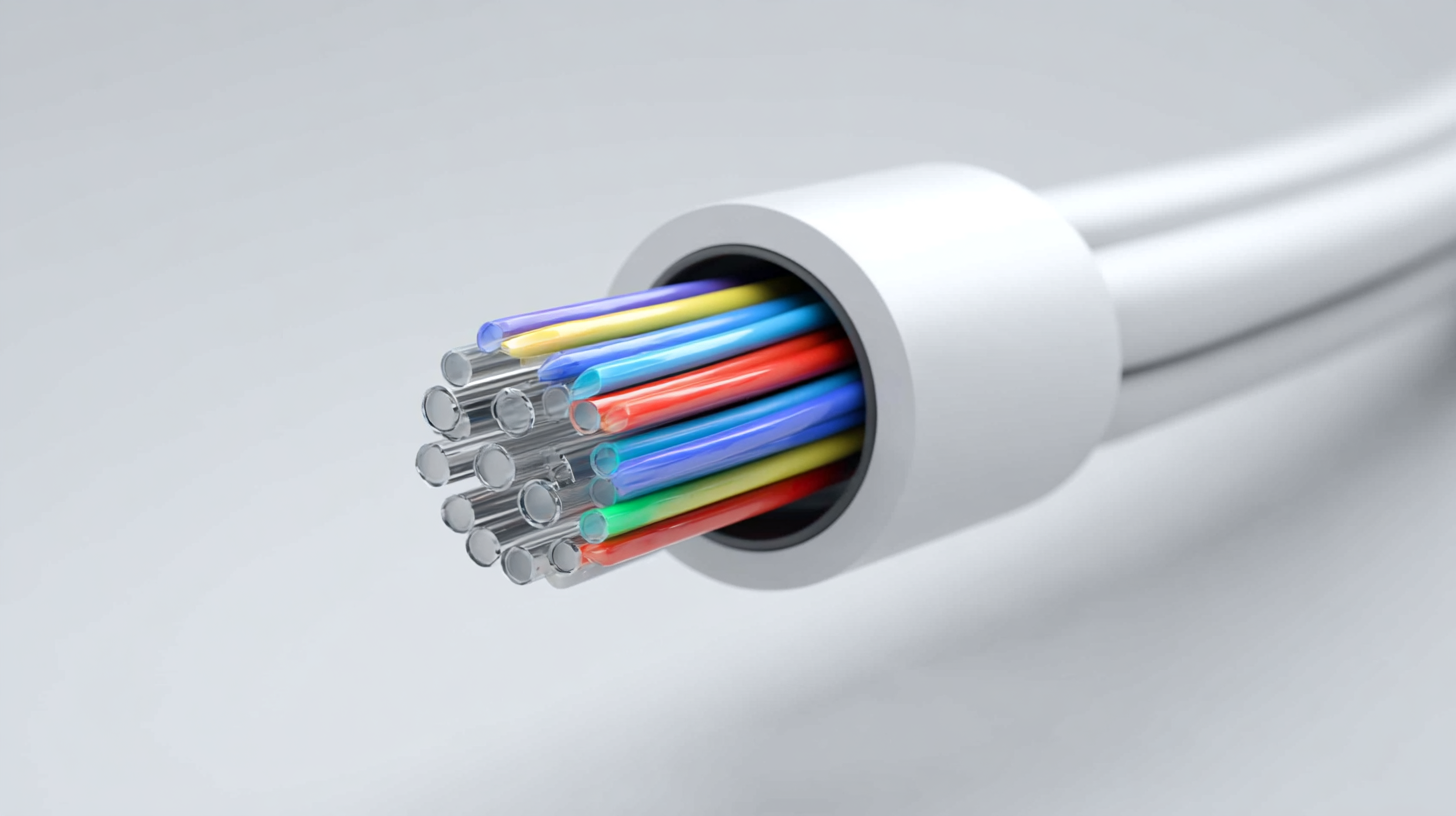
Furthermore, a study conducted by the International Association for Wireless Telecommunications Industry (IAWTA) reveals that correctly sized cable drops can enhance data throughput by as much as 30%, ensuring that users experience a reliable and high-quality connection. By focusing on the importance of cable drop sizing, we can tackle one of the most common yet often overlooked factors that lead to signal integrity issues in network deployments.
Choosing the Right Cable Type for Optimal Signal Integrity
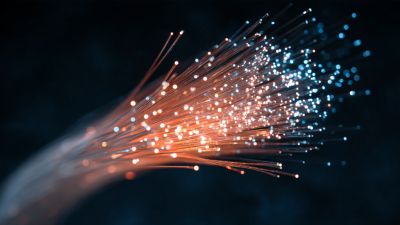
Choosing the right cable type is essential for ensuring optimal signal integrity in any installation. With advancements in technology, cables have evolved to accommodate various applications, leading to a multitude of options. According to a report by the Fiber Optic Association, using the appropriate cable type can reduce signal loss by up to 90%, significantly enhancing performance and reliability. For instance, high-quality fiber optic cables are crucial for long-distance data transmission, offering lower attenuation compared to traditional copper cables. This is particularly important in environments with electronic interference, where the material's shielding can make a substantial difference.
Tips: Always consider the installation environment when selecting your cable. For areas prone to external interference, opt for cables with enhanced shielding. Additionally, pay attention to the cable gauge; a thicker gauge generally means lower resistance and better signal quality. It’s advisable to consult industry standards such as those from the Telecommunications Industry Association (TIA) to ensure compliance and optimal performance.
Moreover, investing in reputable brands with proven track records in the market can further minimize signal degradation. According to research, 80% of network failures can be traced back to inferior cabling. Hence, choosing the right type and quality of cable will not only improve signal integrity but also extend the lifespan of your installation.
Determining the Appropriate Gauge for Your Cable Drops
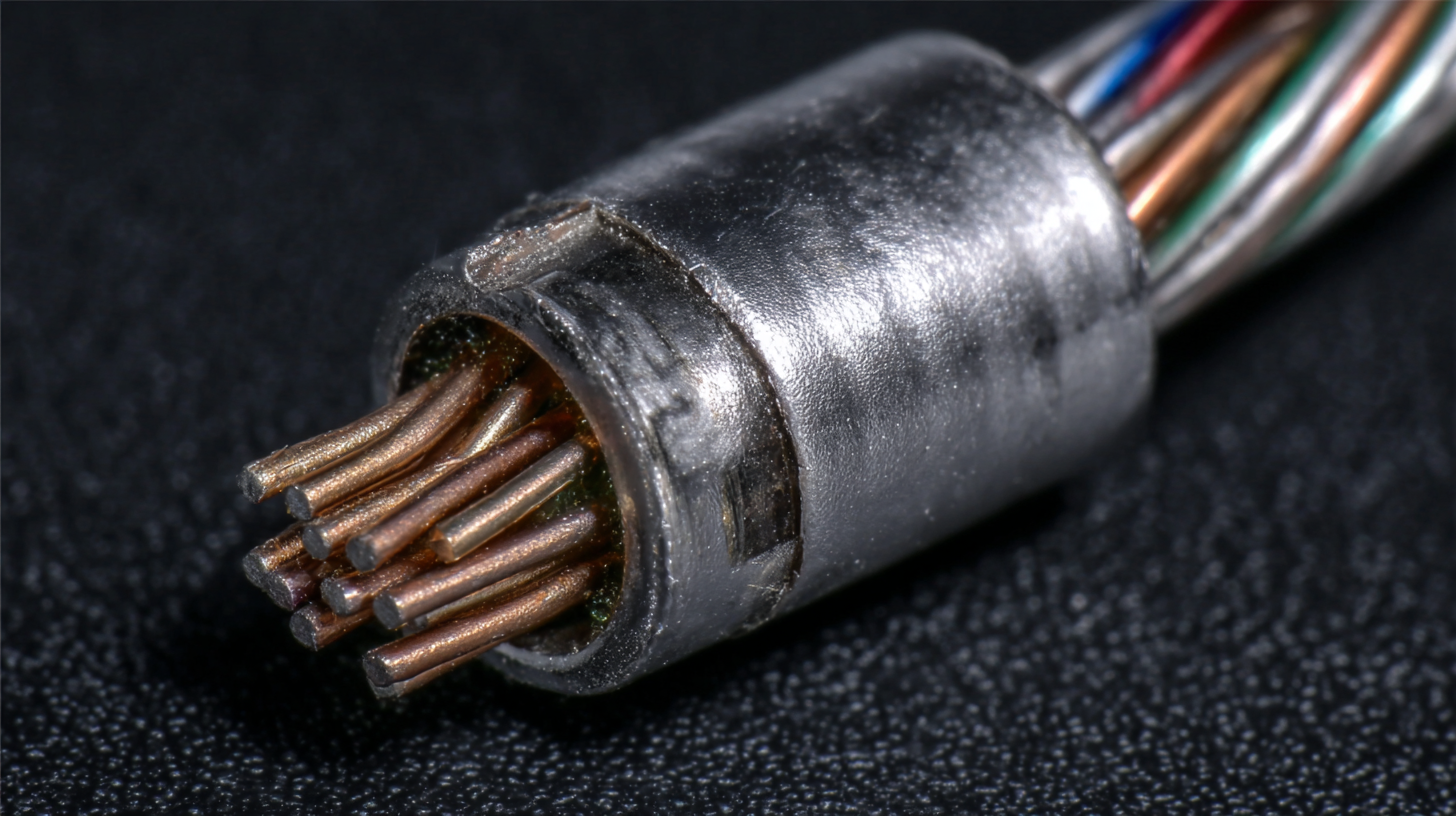
When selecting the appropriate gauge for your cable drops, it is essential to consider both the distance of the run and the overall power requirements of the connected devices. Thicker cables, represented by a lower gauge number, offer less resistance, allowing for improved signal quality and reduced loss over longer distances. For installations requiring longer cable runs, opting for a lower gauge can significantly minimize voltage drop, ensuring that devices receive the power they need for optimal performance.
Furthermore, proper sizing is crucial for minimizing interference and ensuring overall system reliability. Using a gauge that is too small can lead to overheating and signal degradation, issues that can compromise not only the performance of a single device but the entire network. As a rule of thumb, always refer to the manufacturer's recommendations and consider future scalability when determining the appropriate gauge—this ensures that your installations can accommodate advances in technology without necessitating significant rewiring efforts in the future.
Understanding Cable Drops: Why Proper Sizing Minimizes Signal Loss in 95% of Installations
| Cable Type |
Recommended Gauge |
Max Length (ft) |
Signal Loss (dB) |
Common Uses |
| Coaxial |
18 AWG |
100 |
2.0 |
TV/Internet |
| Ethernet |
24 AWG |
328 |
0.2 |
Networking |
| Speaker Wire |
16 AWG |
50 |
3.0 |
Audio Systems |
| Power Cable |
12 AWG |
100 |
5.0 |
Electronics |
Calculating Cable Length to Reduce Attenuation Effects
Understanding the relationship between cable length and signal attenuation is crucial for optimal performance in installations. Signal loss can significantly impact the efficiency and reliability of both data and power transmission. By calculating the appropriate cable length, one can effectively minimize attenuation effects. This is especially important in specialized applications like subsea cables for offshore wind farms, where precise engineering and modeling are necessary to ensure that the systems operate at their full potential.
Tips: Always consider the specific requirements of your installation, including the type of cable and the application environment. It is advisable to consult manufacturers’ guidelines and use simulation tools to analyze potential signal degradation with varying cable lengths. Regular assessments can also prevent issues related to cable sheath damage, which can arise from environmental factors and load effects.
Furthermore, recent advancements in fiber optic technology highlight the importance of minimizing cable length for high-speed data transmission. The use of solitons in optical fibers demonstrates how critical parameters can influence overall performance. Investing time in proper calculations and simulations not only safeguards against signal loss but also enhances the long-term sustainability of your installations.
Understanding Cable Drops: Signal Loss vs. Cable Length
The chart below illustrates the relationship between cable length (in meters) and signal loss (in decibels) for various cable types, showing how proper sizing minimizes attenuation effects in cable installations.
Understanding Connector Types and Their Impact on Signal Quality
Connector types play a crucial role in the quality of signal transmission in cable installations. Different connectors are designed for specific applications and frequency ranges, impacting how efficiently data is transmitted between devices. For instance, a standard RCA connector might suffice for basic audio applications, but in high-frequency systems like video or RF communications, connectors such as BNC or SMA are more effective at maintaining signal integrity. The choice of connector can thus directly influence the performance, reliability, and overall efficiency of a network.
Moreover, even the best-quality cables can suffer from signal degradation if paired with low-quality connectors. Poorly designed connectors can introduce resistance, reflections, and losses that negate the advantages of using high-performance cables. It is essential to select connectors that not only match the cable type but also adhere to the specific requirements of the installation environment, whether it be indoor, outdoor, or in specialized settings like data centers. Ensuring compatibility and quality in connector selection is key to minimizing signal loss and achieving optimal performance in 95% of installations.
Best Practices for Installation and Maintenance of Cable Drops
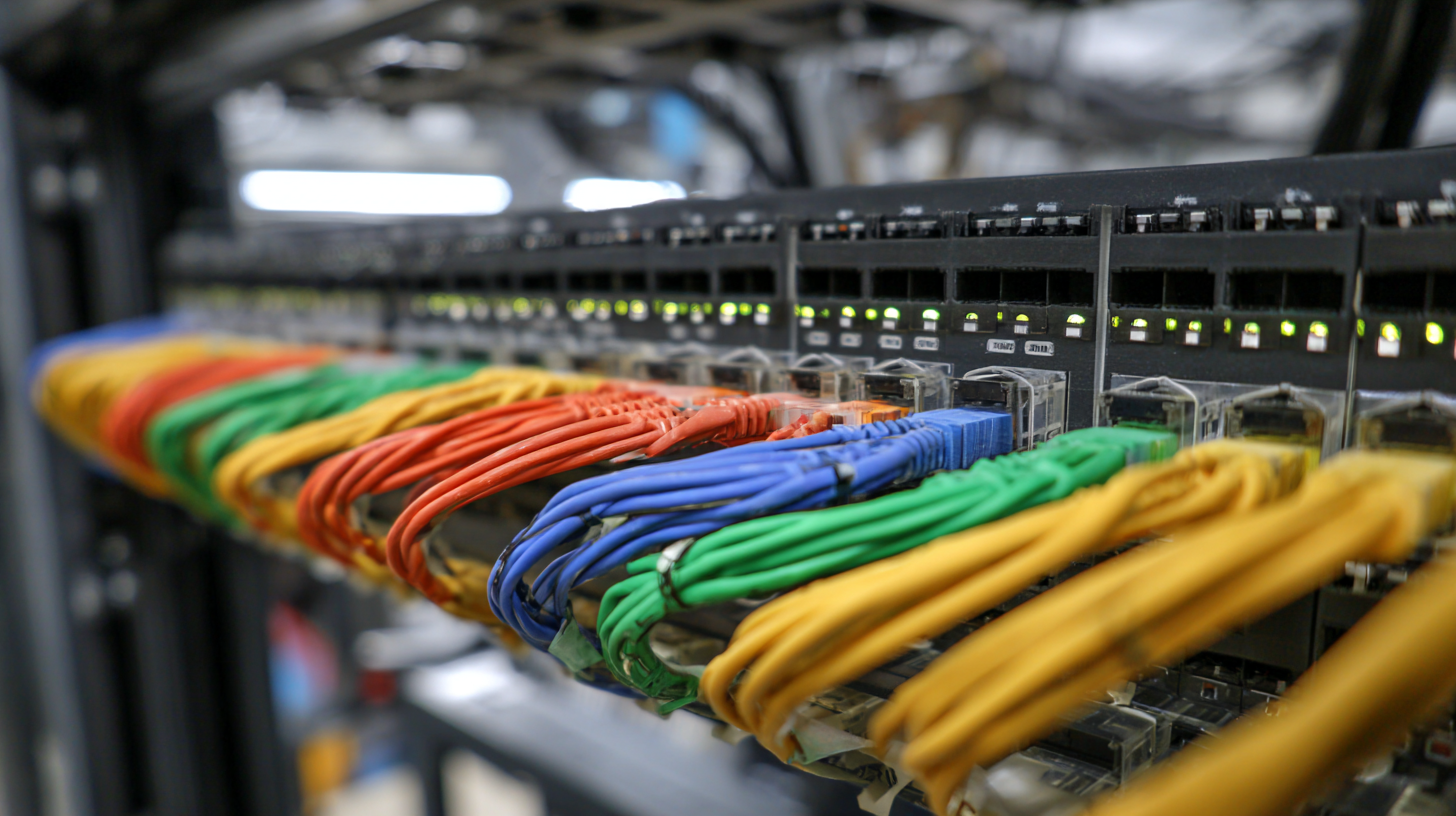
Proper installation and maintenance of cable drops are critical to ensuring optimal performance and minimizing signal loss. According to industry standards, incorrect sizing of cable drops can lead to a significant degradation of signal integrity, affecting up to 95% of installations. A study conducted by the Society of Cable Telecommunications Engineers (SCTE) indicates that using the appropriate gauge and length of cable can reduce attenuation by as much as 30%, highlighting the importance of adherence to best practices in the field.
In addition to selecting the right materials, regular maintenance is essential to prolong the lifespan and efficiency of cable drops. The Telecommunications Industry Association (TIA) recommends that cable systems be inspected at least once a year to identify potential issues such as physical damage, corrosion, or loose connections, which can all contribute to increased signal loss. Implementing proactive measures, such as using weather-resistant coatings for outdoor installations and employing high-quality connectors, can further enhance performance and reliability in varied environments. Following these guidelines will not only improve service quality but also significantly reduce the likelihood of costly downtime.