Understanding Network Cable Types and Their Impact on Internet Speed
In today's digitally-driven world, the choice of network cable is crucial in determining both the speed and reliability of internet connectivity. Different types of network cables—such as Ethernet, fiber optic, and coaxial—offer varying performance levels, significantly impacting data transmission rates. According to a report by the International Telecommunication Union (ITU), the adoption of higher quality network cables can enhance internet speeds by up to 10 Gbps, enabling users to stream, download, and communicate more effectively. Furthermore, research from IEEE indicates that improper cable types can lead to latency issues, reducing efficiency in both personal and professional environments. By understanding the characteristics and implications of each network cable type, users can make informed decisions that optimize their internet performance, ultimately making it a fundamental factor in achieving a seamless online experience.
Types of Network Cables: An Overview of Common Varieties
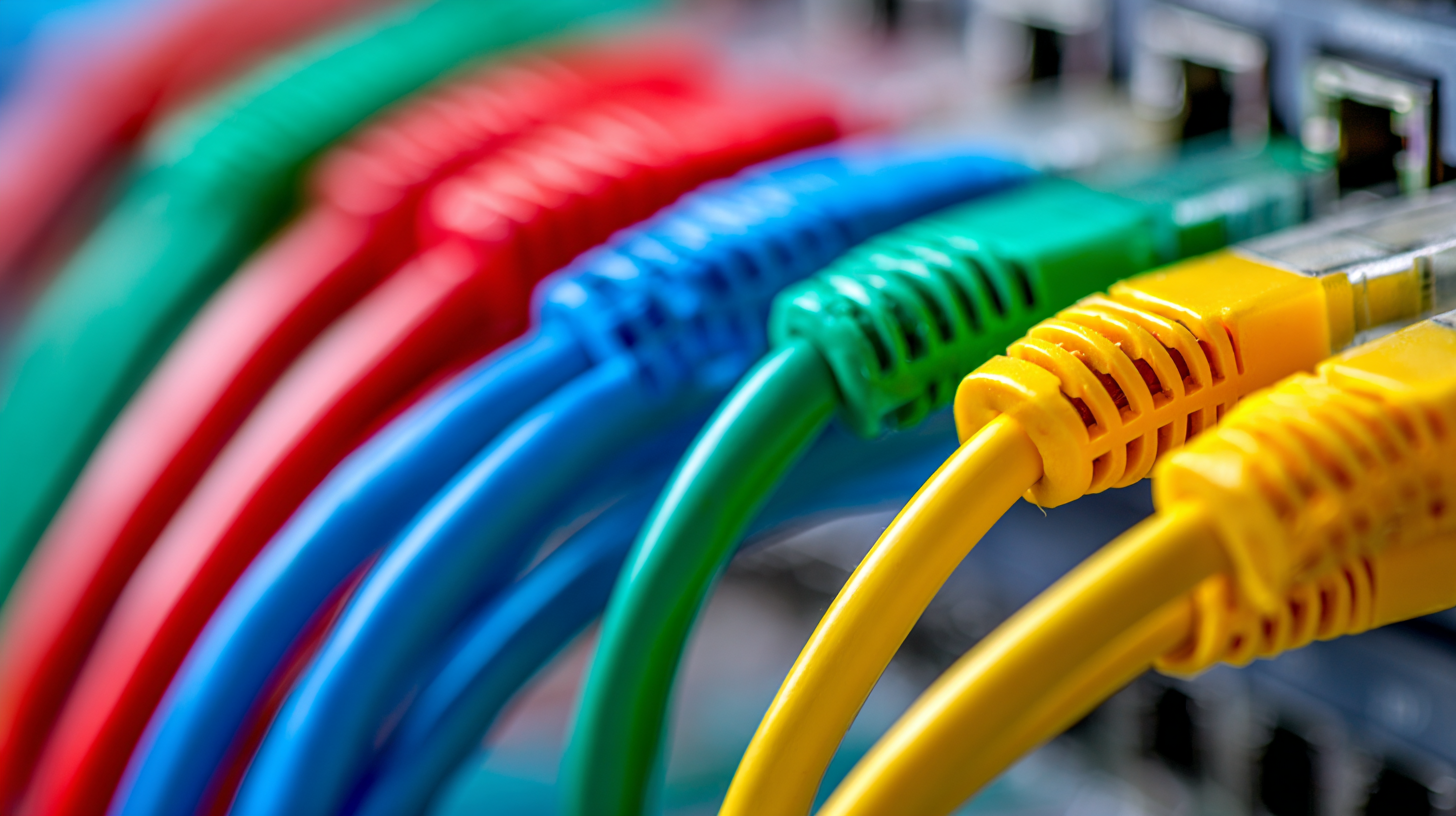
When it comes to setting up a reliable internet connection, understanding the different types of network cables is crucial. Two of the most common varieties are Ethernet and fiber optic cables. Ethernet cables, particularly the Cat5e and Cat6 types, are widely used for home and office networks. They are made of copper and can handle speeds up to 1 Gbps for Cat5e and up to 10 Gbps for Cat6, making them ideal for high-speed internet access. Their installation is simple, which contributes to their popularity among users.
On the other hand, fiber optic cables represent the cutting edge of network technology. Unlike their copper counterparts, fiber cables transmit data using light, allowing for much higher speeds and longer distances without signal degradation. They can offer speeds that exceed 1 Gbps, reaching up to several hundred Gbps, and are less susceptible to interference. This makes fiber optic cables a preferred choice for data centers and areas with high bandwidth demands. Each type of cable affects internet speed and performance differently, so selecting the right one based on specific needs is essential for optimal connectivity.
How Cable Category Affects Your Internet Speed
The category of network cable plays a crucial role in determining internet speed and overall network performance. Various types of cables, such as Cat5, Cat5e, Cat6, and Cat6a, are designed to handle different bandwidths and transmission speeds. For instance, Cat5 cables can support speeds up to 100 Mbps, which may suffice for basic internet browsing. However, as online demands increase, such as for streaming high-definition content or online gaming, higher-category cables become necessary to ensure smooth performance.
Cat5e cables, an enhanced version of Cat5, can handle speeds up to 1 Gbps, making them a popular choice for modern households and businesses. Moving up to Cat6 and Cat6a cables allows for even greater performance, with speeds up to 10 Gbps, making them suitable for environments with heavy data usage. The cable’s shielding also impacts speed; for example, a shielded Cat6a cable reduces interference from external sources, thus maintaining higher data integrity over longer distances. Therefore, selecting the appropriate cable category is essential for optimizing internet speed and meeting the demands of contemporary digital activities.
Understanding Network Cable Types and Their Impact on Internet Speed
| Cable Type |
Category |
Max Speed (Mbps) |
Max Length (meters) |
Use Case |
| Cat5e |
Category 5 Enhanced |
1000 |
100 |
Home Networking |
| Cat6 |
Category 6 |
10000 |
55 |
Office Networking |
| Cat6a |
Category 6 Augmented |
10000 |
100 |
Data Centers |
| Cat7 |
Category 7 |
10000 |
100 |
Professional Use |
| Cat8 |
Category 8 |
40000 |
30 |
High-Speed Data Centers |
Understanding Shielding and Its Role in Signal Quality
When it comes to network cables, the quality of shielding plays a critical role in determining signal integrity and overall internet speed. Shielding protects cables from electromagnetic interference (EMI) and radio frequency interference (RFI), which can distort data transmission. Properly shielded cables help maintain a stable connection by ensuring that the signals remain clear and reliable over long distances, making them a crucial factor for anyone looking to enhance their internet performance.
**Tips:** When selecting cables, opt for those with robust shielding, such as twisted pairs or foiled shields. This additional layer can significantly reduce the likelihood of signal degradation. For outdoor setups, make sure to choose cables rated for external use to withstand environmental factors.
Understanding the types of shielding available, such as foil or braided options, can also provide insight into the expected performance of your network. Different shielding types are designed for specific applications, so consider your setup carefully. By investing in high-quality cables with appropriate shielding, users can ensure their technology performs optimally, minimizing disruptions and enhancing overall connectivity.
Length Matters: The Impact of Cable Length on Performance
The impact of cable length on network performance is a critical aspect often overlooked by many users. Twisted pair cables, such as the commonly used Category 5 enhanced (Cat 5e), have specific characteristics that influence data transfer capabilities. According to a 2008 study by Mahmoud, the signal integrity of twisted pair cables diminishes as the length increases, primarily due to attenuation and crosstalk. For optimal performance, it is recommended to limit the length of these cables to no more than 100 meters to maintain the desired data rates, especially in high-demand applications.
Additionally, the choice of cable can further enhance performance metrics. Recent reviews of high-speed Ethernet cables highlight the differences in construction quality, shielding, and category ratings, with those rated at Cat 6 or above being preferable for high-speed internet activities such as gaming. The mechanical properties and performance ratings of cables have become pivotal, with a market analysis predicting substantial growth in cable materials, reaching $244.44 billion by 2032. Such insights underline the significance of both cable type and length in ensuring maximum internet speed and reliability.
Impact of Cable Length on Internet Speed
Tips for Selecting the Right Cable for Your Internet Needs
When selecting the right network cable for your internet needs, it’s essential to consider the types of cables available and their respective capabilities. Category 5e (Cat5e) cables are suitable for most home internet connections, offering speeds up to 1 Gbps over short distances. However, for those with higher demands, such as gaming or streaming in 4K, opting for Category 6 (Cat6) or even Category 6a (Cat6a) is advised, as they provide greater bandwidth and support speeds exceeding 1 Gbps.
Tips for selecting the right cable include ensuring that the length of the cable suits your setup; longer cables can lead to a signal drop, so keeping them under 100 meters is ideal for maintaining optimal performance. Additionally, consider the environment where the cable will be installed. If it will be exposed to harsh conditions, look for cables rated for outdoor use or those with additional shielding to prevent interference. Finally, always invest in quality connectors and cables from reputable brands, as they significantly affect the overall reliability and speed of your internet connection.