What is a Fibre Network and How Does It Work?
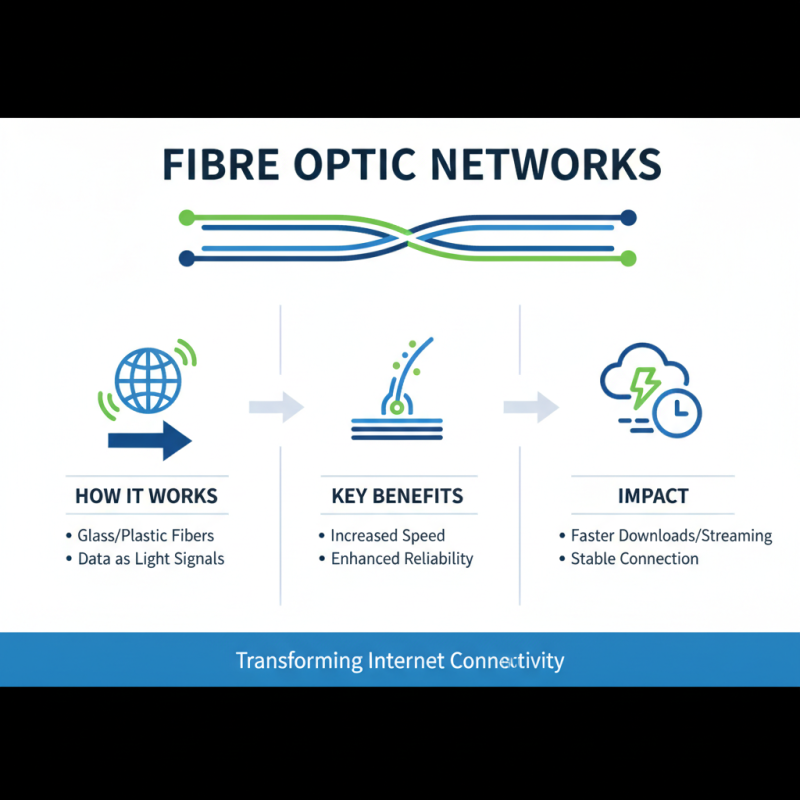
In today’s digital age, a **fibre network** plays a crucial role in how we connect. This technology utilizes strands of glass or plastic to transmit data as pulses of light. The result is a connection that is faster and more reliable than traditional methods.
A fibre network can handle vast amounts of information simultaneously. This is essential for streaming videos, gaming, and large downloads. Yet, many people are unaware of how a fibre network operates and its capabilities. Understanding its structure can lead to better decisions regarding internet service.
However, not all regions have access to this technology. Many areas still rely on outdated copper lines, which raises questions about digital equality. As we progress, assessing these disparities is vital for future developments. Recognizing both the benefits and limitations of fibre networks is essential for informed discussions in technology.
What is a Fibre Network?
A fibre network is a system that transmits data through strands of glass or plastic. These strands carry information as light signals. This technology allows for faster and more reliable internet connections than traditional copper cables. The core of a fibre cable is small, often thinner than a human hair. This means more data can travel at higher speeds.
One major benefit of fibre networks is their ability to handle large amounts of traffic. This is especially beneficial in crowded urban areas. However, the installation process can be complex and costly. Not every area is equipped for fibre deployment. Understanding your location’s infrastructure is crucial before considering this option.
Tip: Check with local providers to see if fibre services are available in your region. Always ask about installation costs and potential delays. Upgrading to a fibre network can significantly improve internet speed, but be prepared for some hurdles along the way. This investment might not yield immediate results. Reflect on your internet needs before making the switch.
Key Components of a Fibre Network
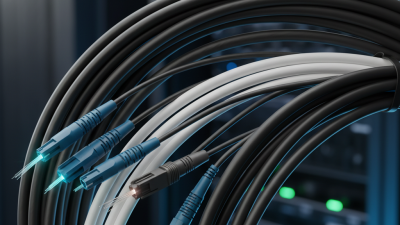
A fibre network relies on several key components for effective connectivity. The heart of the system is fibre optic cables. These cables consist of thin strands of glass or plastic that carry data using light pulses. They are more efficient than traditional copper wires. The speed and bandwidth of fibre optics can significantly enhance internet services.
Another crucial component is the optical network terminal (ONT). This device converts light signals from the fibre cable into electrical signals for your devices. ONTs often support multiple devices, allowing for seamless connectivity throughout a home or office. However, placement matters. A poorly positioned ONT can lead to weak signals.
Finally, there are splitters that manage data distribution. These devices enable a single fibre line to serve multiple connections. While this is efficient, it can also create network congestion. Users may experience slower speeds during peak times. Balancing distribution and demand is an ongoing challenge in any fibre network.
How Fibre Optic Technology Works
Fibre optic technology utilizes thin strands of glass or plastic. These strands transmit data as pulses of light. This method offers faster speeds than traditional copper cables. Industries report that fibre networks can achieve speeds up to 1 Gbps and beyond. This leap in technology helps meet rising demand for high-speed internet. The efficiency of fibre optics minimizes signal loss over long distances.
Light travels through these fibres via total internal reflection. This means it bounces off the walls of the fibre, allowing it to cover greater distances. As a result, data can be transmitted without much degradation. According to industry reports, fibre-optic systems can effectively support core internet infrastructure. Yet, building these networks can be expensive and complex. Not all areas have easy access to fibre services.
Tips: Consider the installation costs when evaluating your internet options. Research local providers to know what is available. Not all neighbourhoods have fibre coverage. Before making decisions, reflect on your specific needs for speed and reliability. Remember, faster is not always better if it doesn't meet your needs.
What is a Fibre Network and How Does It Work? - How Fibre Optic Technology Works
| Characteristic |
Description |
| Data Transmission Rate |
Can reach up to 100 Gbps or higher in modern networks. |
| Distance |
Effective over long distances, up to 100 kilometers without signal loss. |
| Signal Interference |
Less susceptible to electromagnetic interference compared to copper cables. |
| Materials Used |
Made from glass or plastic fibers that carry light signals. |
| Installation Cost |
Generally higher than copper installation due to special handling and equipment. |
| Maintenance |
Requires specialized skills for repairs and splicing. |
Benefits of Using Fibre Networks
Fibre networks have transformed the way we connect to the internet. They use glass or plastic fibers to transmit data as light signals. This technology offers several benefits that improve both speed and reliability.
One significant advantage is speed. Fibre networks can provide downloads faster than traditional connections. Speeds can reach up to 1 Gbps or more. This is ideal for activities like streaming or online gaming, where every millisecond counts. Additionally, fibre is less susceptible to interference, making it a stable choice in various environments.
Moreover, fibre networks support many users simultaneously, maintaining high speeds. This is crucial in homes where multiple devices are in use. However, installing fibre can be challenging and expensive. Some areas may lack infrastructure. While the benefits are clear, the transition requires careful planning and investment. This can lead to reflection on whether the advantages justify the costs.
Common Applications of Fibre Networks
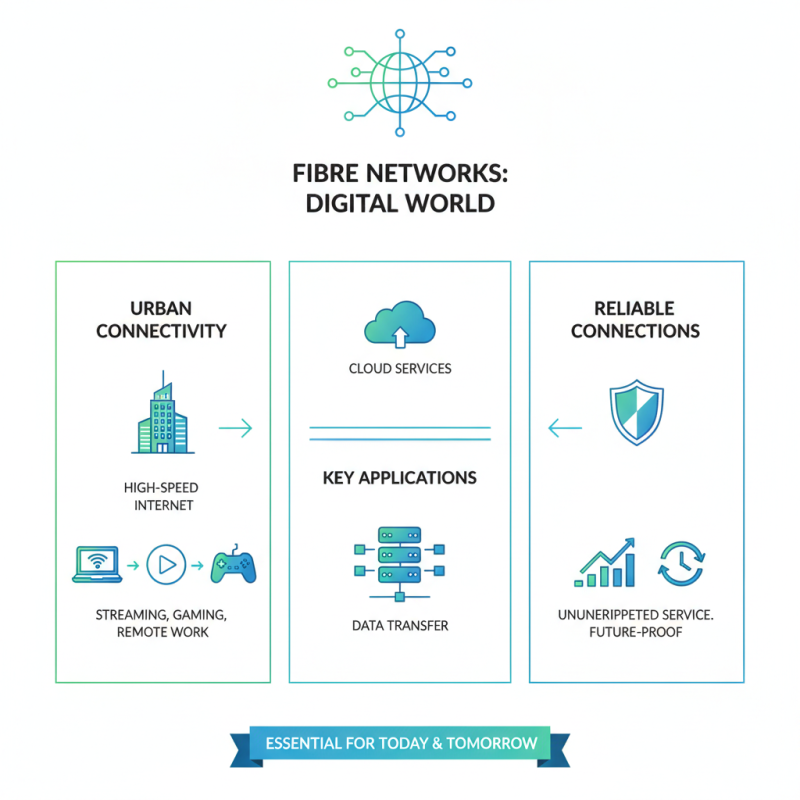
Fibre networks are essential in today’s digital world. They serve various applications, providing high-speed internet and reliable connections. In urban areas, fibre optics support internet service providers, enabling quick data transfer. Users can stream videos, play online games, and work remotely without disruption.
In business settings, fibre networks are invaluable. Companies rely on them for internal communications and cloud services. This technology enhances collaboration. With real-time data access, teams can make faster decisions. However, installation can be challenging. Upgrading existing infrastructure may require significant investment and time. Not every organization can afford this.
Educational institutions also benefit from fibre networks. Students and teachers access online resources easily. Distance learning programs have become more prevalent, especially in recent years. However, not all areas have the same connectivity. Rural regions still struggle, highlighting the need for improved infrastructure. The disparity raises questions about accessibility and equity.