10 Essential Tips for Installing Aerial Fibre Cable Successfully?
Installing aerial fibre cable is crucial for modern connectivity. It offers high-speed internet access, essential for homes and businesses. Yet, this process can be challenging. Proper installation ensures reliability and performance.
Many factors can affect installation success. Weather conditions often pose unexpected challenges. Cable sag and alignment are critical to prevent issues later. Tools must be appropriate; using the wrong tools can lead to costly mistakes. Minor errors can disrupt service continuity. Each step needs careful planning.
Reflecting on previous installations helps improve the process. Real-world experiences teach valuable lessons. Aerial fibre cable installation requires attention to detail. Every installation is a learning opportunity. Embrace the journey for better outcomes in the future.
Understanding Aerial Fibre Cable and Its Benefits
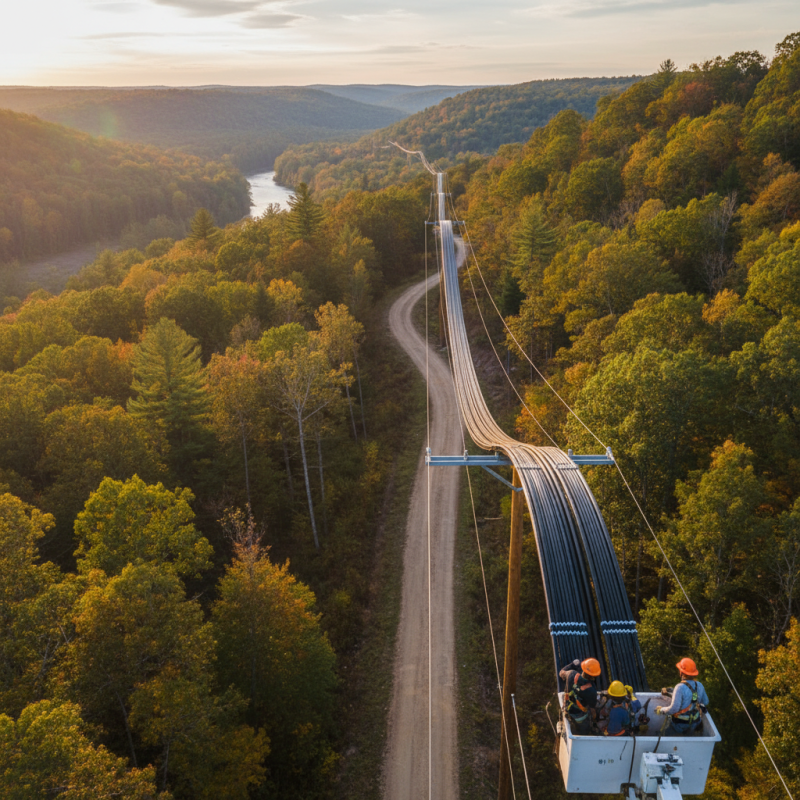
Aerial fibre cables have become a popular choice for high-speed internet connectivity. They are ideal for areas where underground installation is challenging or too costly. According to industry reports, aerial fibre networks can reduce installation costs by up to 30% compared to traditional methods.
One significant advantage is their ability to withstand harsh weather conditions. These cables are designed to be resilient and flexible. They can handle winds up to 150 km/h, which is crucial in storm-prone regions. However, improper installation can weaken their durability. It's essential to secure them properly to prevent sagging or breakage. Regular maintenance checks are necessary and sometimes overlooked, leading to unforeseen outages.
Moreover, aerial fibre has a lower environmental impact than traditional copper cables. They require less infrastructure and minimize excavation. However, the visual impact on landscapes is a concern for some communities, causing friction during installation. Balancing technological progress and community aesthetics can be challenging yet important for successful deployment. Aerial fibre cables represent a significant step towards future-ready connections, but attention to detail remains crucial.
Assessing the Installation Environment for Aerial Cables
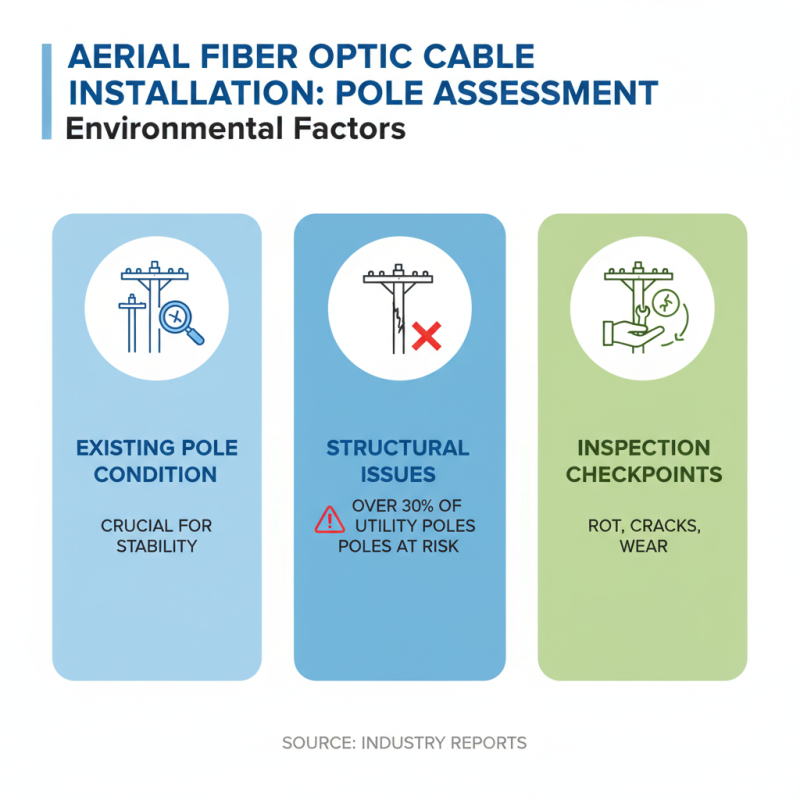
When assessing the installation environment for aerial fibre cables, several factors need careful consideration. The condition of existing poles is crucial. According to industry reports, over 30% of utility poles face structural issues that could compromise installation. Inspecting for rot, cracks, and signs of wear is essential to ensure stability.
Weather conditions can significantly impact the installation process. High winds, heavy rain, or snow can pose risks to the installation team and the materials. Studies show that nearly 25% of aerial cable failures occur due to inadequate weather assessments prior to installation. Installers must keep an eye on forecasts and adjust timelines accordingly.
Another factor is the surrounding vegetation. Trees can interfere with the cable's path, leading to potential outages. A report indicated that almost 20% of aerial fibre cable disruptions stem from overgrown branches. Proper clearance should be planned to avoid future issues. Each installation site presents unique challenges, and overlooking these details can lead to costly mistakes. Proper assessment is key in ensuring a successful aerial fibre installation.
Choosing the Right Tools and Materials for Installation
Choosing the right tools and materials is crucial for a successful aerial fibre cable installation. According to industry reports, nearly 30% of installation failures stem from improper tool selection and material quality. High-quality cables and connectors are essential. Using substandard materials can lead to signal loss and damage.
Tools like cable pullers and tensioners must match the project’s scale and environment. For instance, a study revealed that using appropriate tensioning tools improves installation efficiency by up to 40%. Don’t underestimate the importance of personal protective equipment. Safety gear protects against accidents and injuries, ensuring a smoother setup process.
Installation sites vary widely; understanding the local environment is key. Weather conditions can affect cable performance. For hot climates, UV-resistant cables are a must. In colder regions, flexibility is critical to avoid breakage. Always reflect on past installations. Learning from mistakes can prevent issues in future projects. Emphasizing the right options reduces long-term costs and enhances reliability.
10 Essential Tips for Installing Aerial Fibre Cable Successfully
Step-by-Step Guide to Installing Aerial Fibre Cable
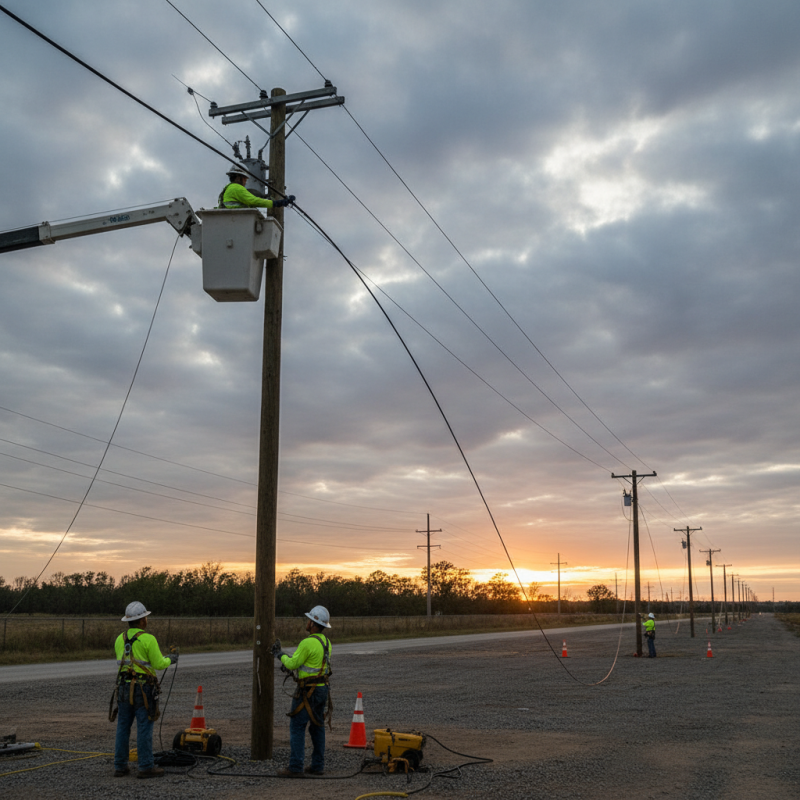
Installing aerial fibre cable can seem daunting, but with the right approach, it can be manageable. Aerial installations are popular for their cost-effectiveness and quick deployment. According to industry reports, proper installation can enhance network performance by 20% or more. Here’s a step-by-step guide for successful installation.
Before you begin, assess your environment. Identify overhead obstacles like trees and power lines. Measure the span between poles accurately. Miscalculations can lead to tension issues in the cable. It's crucial to follow engineering guidelines. Improper tension can cause cable damage or service interruption.
Tip: Always use the correct tools. For aerial work, tools like a rope puller and safety gear are vital. Inspect all equipment before use. Make sure cables are free from defects. Remember, even the smallest oversight can lead to significant problems later.
During the installation process, monitor the cable’s tension frequently. Too much tension can lead to elongation and eventual failure. Adjust as needed based on environmental conditions. Professional reports indicate that installation errors can cause up to 30% of cable failures. Continuous evaluation ensures long-term reliability.
Best Practices for Maintaining Aerial Fibre Cable After Installation
Maintaining aerial fibre cable is crucial for long-term performance. Regular inspections help identify potential issues early. Look for sagging lines or loose connections. Birds nesting in the cables can also cause problems. Address these before they escalate into larger headaches.
Weather conditions play a significant role in cable health. Heavy winds can stress the installation points. Ensure that the anchors are secure and check for signs of wear. During storms, monitor the cables for any damages. It's easy to overlook these checks.
Documenting maintenance activities is essential. This creates a history of the cable’s condition. Some might forget to log repairs, leading to confusion later. Always take photos during inspections. This visual record can be invaluable when assessing future needs. Remember, consistent maintenance prevents costly repairs down the line.