10 Essential Tips for Building Efficient Fibre Optic Infrastructure
Building a robust and efficient fibre optic infrastructure is essential for modern communication networks. As the demand for high-speed internet and data transfer continues to rise, organizations and municipalities must prioritize the development of a resilient fibre optic framework. This essential infrastructure not only supports faster and more reliable connectivity but also lays the groundwork for future advancements in technology, including 5G and smart city initiatives.
In this quest to establish an effective fibre optic infrastructure, there are several critical considerations that must be addressed. From selecting the right materials and technologies to ensuring proper installation and maintenance practices, each element plays a pivotal role in the performance and longevity of the network. As we explore these ten essential tips, it becomes clear that a strategic approach is necessary to navigate the complexities of fibre optic deployments and ensure that investments yield optimal returns. By understanding and applying these guidelines, stakeholders can enhance their network capabilities and deliver superior service to end-users in an increasingly digital world.

Essential Factors for Assessing Site Readiness for Fibre Optic Deployment
Assessing site readiness is crucial for the successful deployment of fibre optic infrastructure. Before initiating any installation, it’s essential to evaluate the physical environment where the network will be set up. Factors such as soil type, underground utilities, and topography must be thoroughly examined. A detailed site survey can help identify potential obstacles and ensure that the installation proceeds smoothly.
One of the key considerations is the accessibility of the site. Ensure that there are clear pathways for construction crews and equipment. This can significantly affect the efficiency and cost-effectiveness of the deployment. Additionally, understanding local regulations and securing the necessary permits is essential to avoid delays. A well-prepared site minimizes the risk of unexpected complications during the installation process.
When planning for fibre optic deployment, consider the future scalability of the infrastructure. This may involve thinking ahead about potential expansions or upgrades that might be needed as demand increases. Building with flexibility in mind will save time and resources down the line. As you proceed, remember that ongoing communication with stakeholders is vital; keeping everyone informed about progress helps to maintain alignment and address any concerns promptly.
10 Essential Tips for Building Efficient Fibre Optic Infrastructure
| Tip Number |
Tip |
Description |
Importance Level |
| 1 |
Conduct Site Survey |
Evaluate existing infrastructure and assess potential obstacles. |
High |
| 2 |
Check Local Regulations |
Understand and comply with local zoning and installation regulations. |
Medium |
| 3 |
Assess Environmental Impact |
Evaluate the ecological effects of the installation process. |
High |
| 4 |
Determine Budget |
Establish a clear budget for all aspects of deployment. |
High |
| 5 |
Plan for Redundancy |
Include backup systems to ensure reliable connectivity. |
High |
| 6 |
Choose Right Components |
Select high-quality cables and connectors for longevity. |
Medium |
| 7 |
Train Installation Team |
Ensure all workers are adequately trained for installation. |
High |
| 8 |
Implement Testing Procedures |
Conduct tests to ensure system performance post-installation. |
High |
| 9 |
Document Everything |
Keep detailed records of all installation processes and assessments. |
Medium |
| 10 |
Plan for Future Upgrades |
Design the network with scalability for future needs. |
Medium |
Understanding Fibre Optic Cable Types and Their Applications
Fibre optic cables are essential for modern communication networks, offering superior speed and bandwidth compared to traditional copper cables. Understanding the different types of fibre optic cables—single-mode and multimode—is crucial for building an efficient infrastructure. Single-mode fibre, characterized by its small core diameter, allows light to travel directly down the fibre with minimal reflection, making it ideal for long-distance telecommunications. According to a report by the Fiber Optic Association, single-mode systems can transmit signals over distances exceeding 40 kilometers without the need for signal regeneration.
On the other hand, multimode fibre features a larger core, which permits multiple light paths. It is best suited for shorter distances, typically within buildings or campuses. The International Telecommunication Union (ITU) indicates that multimode fibre can support high-bandwidth data applications, but its signal quality diminishes with distance due to modal dispersion. Each fibre type serves distinct applications; thus, selecting the appropriate cable is critical for optimizing network performance. Properly implemented fibre optic solutions can lead to increased data transfer speeds and reduced latency, allowing businesses to fully leverage the capabilities of their digital infrastructure.
Techniques for Optimal Fibre Optic Cable Routing and Management
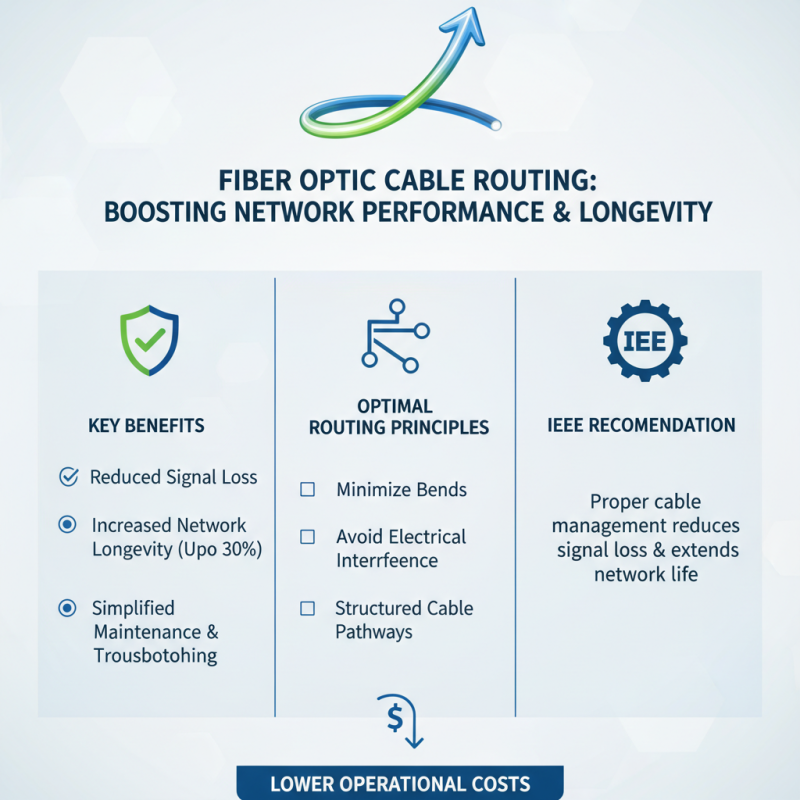
Efficient fibre optic cable routing and management are crucial for maximizing network performance and resilience. The Institute of Electrical and Electronics Engineers (IEEE) emphasizes that proper cable management can reduce signal loss and increase the overall longevity of the network by up to 30%. To achieve optimal routing, it's essential to plan cable pathways that minimize bends and avoid potential interference from electrical cables and devices. A well-structured cable pathway not only enhances performance but also simplifies maintenance and troubleshooting processes, ultimately leading to lower operational costs.
Incorporating industry best practices such as using cable trays and managing bend radii is vital. The Telecommunication Industry Association (TIA) recommends maintaining a bend radius of at least 10 times the outer diameter of the cable to prevent attenuation. Additionally, effective labeling and documentation of fibre optic cables can significantly streamline operations. Studies show that organizations that implement rigorous documentation protocols experience a 40% reduction in time spent on network maintenance. By focusing on these techniques, businesses can ensure a more reliable, efficient, and manageable fibre optic infrastructure that meets the demands of contemporary high-speed data transmission.
Importance of Regular Maintenance and Monitoring in Fibre Networks
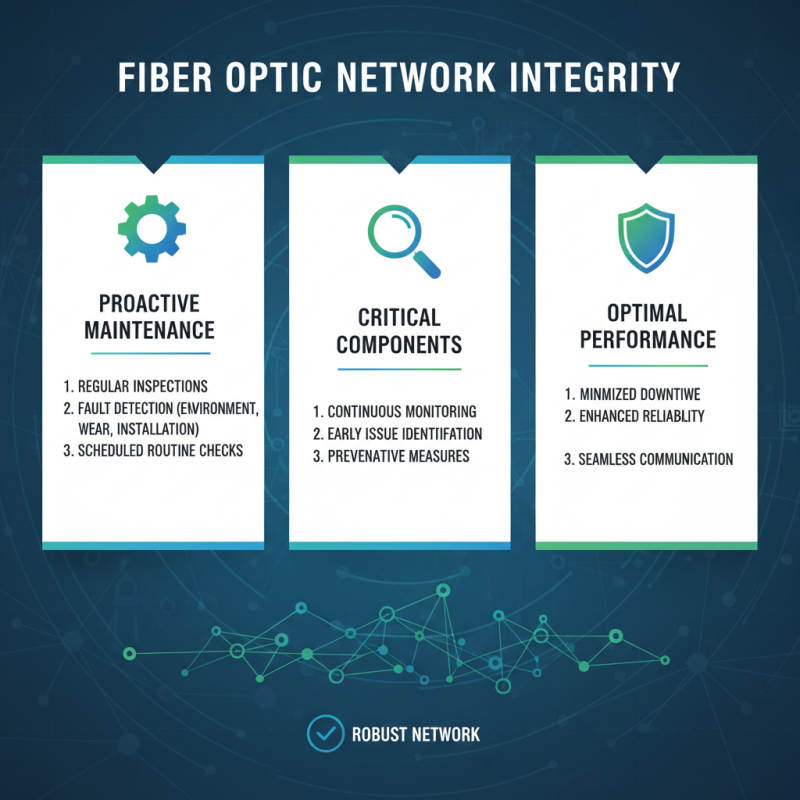
Regular maintenance and monitoring are critical components of a robust fibre optic network. As technology continues to advance, the importance of maintaining the integrity of fibre optic systems cannot be understated. Regular inspections help identify potential issues before they escalate into major problems, ensuring optimal performance. By scheduling routine checks, network operators can detect faults caused by environmental factors, wear and tear, or installation errors. This proactive approach minimizes downtime and enhances the reliability of communication services.
Furthermore, continuous monitoring of fibre networks plays a pivotal role in performance assessment. Advanced monitoring tools allow for real-time analysis of signal quality and bandwidth usage, providing insights that inform necessary upgrades or repairs. Moreover, these systems can swiftly alert engineers to irregularities, enabling immediate corrective action. This vigilance not only supports the overall health of the infrastructure but also aids in planning for future expansions or technology enhancements, ensuring that the network can accommodate growing demands efficiently.
Cost-Benefit Analysis of Fibre Optic Infrastructure Investment Strategies
Investing in fibre optic infrastructure offers a unique opportunity to enhance communication capabilities while evaluating the cost-benefit landscape is essential for making informed decisions. The initial expenditure on fibre optic technology often appears daunting, yet a comprehensive cost-benefit analysis reveals significant long-term savings and advantages. By examining metrics such as increased bandwidth capacity, lower energy consumption, and reduced maintenance costs, stakeholders can understand the true value of their investment. Over time, fibre optic networks can lower operational costs and facilitate the seamless transfer of large data volumes, responding effectively to the increasing demands for high-speed connectivity.
Furthermore, the potential for revenue generation through enhanced service offerings and competitive advantages must be considered. Organisations can leverage fibre optic infrastructure to provide improved products and services, thereby attracting a broader customer base. Additionally, strategic partnerships or government incentives can offset initial costs, making investments more appealing. Ultimately, the financial viability of fibre optic infrastructure is closely tied to its ability to future-proof communication needs and drive economic growth, making it a critical consideration for businesses looking to thrive in an increasingly digital world.
Cost-Benefit Analysis of Fibre Optic Infrastructure Investment Strategies