
How to Choose Healthy Panty Liners for Daily Use?

Choosing Healthy Panty Liners for daily use is less about finding a perfect product and more about understanding what your body tolerates. A liner may help manage light discharge or provide a feeling of freshness, but it should not replace breathable underwear or a change of clothes when needed. Comfort can be personal. A product that feels soft for one person may cause itching or rubbing for another.

Start by checking the label. Fragrance-free options can be a sensible choice for people who are sensitive to added scents, while a smooth, flexible shape may reduce friction under fitted clothing. Small details matter. Look for clear information about materials and avoid assuming that words like “natural” or “gentle” guarantee a product will suit your skin. If you try a new liner, notice how it feels after several hours—not just when you first put it on.

Change liners regularly, especially when they feel damp, and give your skin breaks when practical. If irritation, unusual odor, pain, or persistent itching develops, stop using the product and consider asking a qualified healthcare professional for advice. A liner cannot diagnose or treat the cause of symptoms. It is also fair to admit that daily use is not necessary for everyone; personal comfort and individual needs should guide the choice. This guide explores fit, materials, absorbency, and everyday care, so you can compare options with realistic expectations.
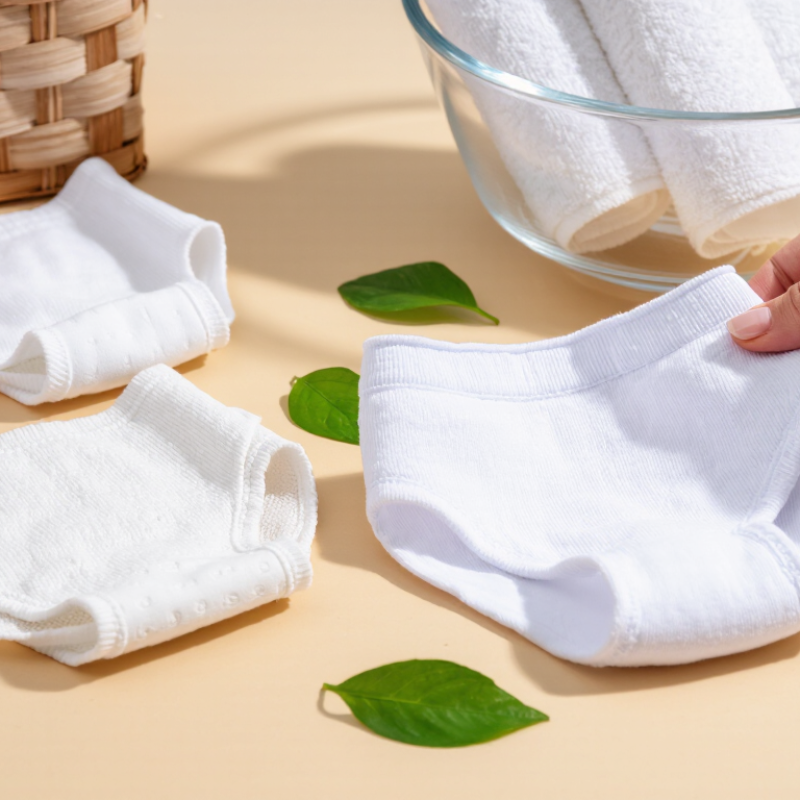
How to Choose Healthy Panty Liners for Daily Use?

Understand the Purpose and Limits of Daily Panty Liners

Daily panty liners can absorb light discharge or protect underwear during the last days of a period. They are optional, not a health requirement. Normal vaginal discharge may be clear or white and change through the menstrual cycle; a liner cannot prevent infection or explain a sudden change. The CDC’s NCHS Data Brief No. 139 reported bacterial vaginosis in 29.2% of U.S. women aged 14–49 in 2001–2004. This is an older estimate, not a current rate, but it shows that vaginal symptoms are common and deserve more than just a fresh liner. New odor, itching, pain, or unusual discharge warrants advice from a healthcare professional. A liner may feel reassuring. That is not the same as treatment.

Tips: Choose unscented liners with a breathable surface, and change them when damp. If your skin feels irritated, stop using them and see whether it improves. Avoid wearing one around the clock just from habit; underwear alone may feel better. Small detail, often overlooked. Keep track of changes in discharge rather than trying to cover them up.

Check Materials, Fragrances, and Potential Irritants

Daily liners sit against warm, delicate skin, so the surface layer, fragrance, and adhesive all deserve a look. Choose fragrance-free and deodorant-free products when possible; “unscented” may still involve masking fragrance. Check the package. Look for a clear materials list, and note whether dyes or botanical extracts are added. “Cotton” on the front does not mean every layer is cotton, or prove lower irritation risk. Fit matters, too: a liner that bunches can rub during a long commute or workout. Small details count.

The European Commission’s Scientific Committee on Consumer Safety estimated fragrance contact allergy in roughly 1–3% of the general population in its 2012 opinion on fragrance allergens. That figure is not specific to panty liners. ACOG’s vulvar-care guidance recommends avoiding scented hygiene products, supporting a cautious, fragrance-free choice. No liner is irritation-proof. If itching, burning, or redness appears after changing products, stop using the liner and consult a clinician if symptoms persist. Even careful label-reading can miss an individual trigger.

Compare Absorbency, Breathability, and Fit

Absorbency is not a contest. For ordinary daily discharge, a thin liner may be enough; heavier days may call for more coverage. A highly absorbent liner can feel bulky, though, so choose for your needs and change it when damp. More is not always better.

Breathability matters during long hours in close-fitting clothes. Look for a soft surface and materials that feel comfortable against your skin. “Breathable” can mean different things, so pay attention to how the liner feels after a few hours. Fragrance-free options may suit sensitive skin better. Change after exercise or if the liner becomes sweaty. Small details matter.

Fit should stay secure without pinching or bunching. Check the length and width against your underwear; wings can help some liners stay in place, but they are not essential for everyone. A liner that shifts while walking is a poor fit, even if its absorbency seems right. I might expect one style to work every day, but comfort can change with heat, activity, or your cycle. If a liner causes irritation, stop using it. Persistent itching, unusual odor, or a change in discharge is worth discussing with a healthcare professional.

Review Packaging, Certifications, and Product Information

How to Choose Healthy Panty Liners for Daily Use?

Check the wrapper and box for a complete ingredient or material list, manufacturer contact details, lot number, and clear use instructions. Vague terms such as “natural” do not explain what touches your skin. Small print matters. The U.S. EPA’s 2018 Advancing Sustainable Materials Management report counted 82.2 million tons of containers and packaging in municipal waste, or 28.1% of the total. This broad figure is not specific to panty liners, but it shows why packaging information and disposal guidance deserve attention.

Look for independent certification, then check exactly what it covers. OEKO-TEX STANDARD 100 tests textile components for more than 1,000 harmful substances; certification does not prove a liner is irritation-free or suitable for everyone. Check whether the certificate applies to the absorbent layer, topsheet, or the finished product. I still find some labels oddly vague. If a claim cannot be verified through the certifier’s public directory, treat it cautiously. Choose unscented products if fragrance tends to bother your skin, and stop using a liner if irritation develops.

Tips: Before buying, photograph the label and certificate number. Compare the details at home, especially material disclosures, fragrance claims, and disposal instructions. A neat package is not proof of quality. A clear, verifiable label is more useful.

Choose a Liner and Follow Safe Daily-Use Practices

Choose a liner that feels soft, lies flat, and does not rub when you walk. Fragrance-free options can reduce exposure to added scents, which may irritate sensitive skin. Check the package for materials and change the liner whenever it feels damp or soiled. A liner should not replace breathable underwear or be worn to mask unusual discharge.

Keep use simple. Wash the external vulva gently with water, then pat dry; avoid putting soaps or wipes inside the vagina. If a liner causes itching, burning, redness, or chafing, stop using it and see whether symptoms improve. The evidence on everyday liner use is limited, so comfort matters—but it is not proof that a product suits everyone. I would not ignore persistent irritation just because the liner looks clean.

Pay attention to changes, not just the liner. The CDC’s analysis of 2001–2004 NHANES data found bacterial vaginosis in 29.2% of U.S. women aged 14–49; this does not mean liners cause it. It does show that vaginal symptoms are common and deserve proper assessment. Seek medical advice for a strong new odor, unusual discharge, pain, or symptoms that persist. A liner can absorb moisture. It cannot diagnose the cause.