How to Choose the Best Battery Connector for Your Needs?
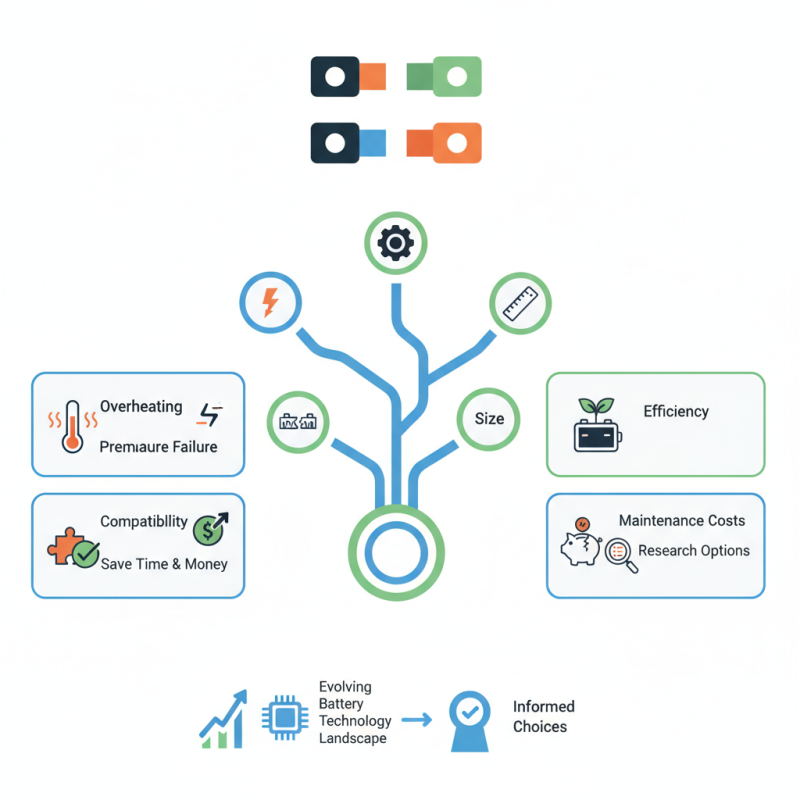
Choosing the right Battery Connector can be a daunting task. As a prominent expert in the field, Dr. Emily Carter emphasizes, “A reliable connection is as vital as the battery itself.” When selecting a connector, several factors come into play. These include the connector's current rating, material, and size. Each factor can greatly impact performance and safety.
In many cases, users underestimate the importance of connectors in their systems. A poor choice can lead to overheating or premature failure. It's essential to consider not just functionality but also compatibility with existing components. This can save time and money in the long run. Having quality connectors aligned with your battery's specifications can enhance efficiency.
Many people overlook the long-term implications of their choices. For instance, a cheaper connector may seem appealing initially but could result in ongoing maintenance costs. Researching available options and understanding their specifications is beneficial. In the fast-evolving battery technology landscape, making informed choices is key to success.
Understanding Different Types of Battery Connectors Available
When selecting a battery connector, understanding the various types available is crucial. Battery connectors come in different styles, such as terminal, plug, and socket types. Each type serves a unique purpose and fits specific applications. For example, terminal connectors are often used in automotive and marine batteries, providing secure connections that handle high currents.
Consider the environment where the battery will be used. If it's outdoors or in damp conditions, look for connectors with weather-resistant features. Using the right materials can prevent corrosion and enhance durability. Pay attention to the amperage rating as well. It’s essential to match the connector's capacity with the battery’s output to avoid overheating.
Tip: Always verify the compatibility of your connectors with existing systems. This can save time and resources in the long run. Assess the ease of installation as well. In some cases, a complex design may lead to errors during setup. Continuously re-evaluating your choice based on performance and feedback can lead to improvements in your overall system.
How to Choose the Best Battery Connector for Your Needs?
| Connector Type | Application | Current Rating (A) | Voltage Rating (V) | Material |
| Anderson Powerpole | General purpose, RC | 15-120 | 600 | Plastic, Copper |
| XT60 | RC models | 60 | 14 | Plastic, Gold-plated |
| Deans (T-Connector) | RC models, drones | 60 | 10-15 | Plastic, Brass |
| JST-XH | Battery balance charging | 3 | 25 | Plastic, Copper |
| Molex | Automotive, industrial | Current varies | Up to 600 | Plastic, Tin |
Evaluating Electrical Specifications for Battery Connector Selection
Selecting the right battery connector hinges on understanding its electrical specifications. Voltage ratings are crucial. Ensure the connector can handle the voltage of your battery system. A mismatch can lead to overheating or failure.
Current carrying capacity is another vital factor. Check the connector's amp rating to prevent overheating during use. If the connector can't handle the current, it may melt or break down. Testing under simulated loads can reveal weaknesses.
Mechanical durability matters too. Look for connectors that resist wear and environmental factors. Make sure they fit snugly. Loose connections can lead to arcing, which is dangerous. Take time to assess material quality and design. A thorough examination helps avoid issues later.
Assessing Environmental Conditions Impacting Connector Performance
When selecting battery connectors, environmental conditions play a crucial role. Humidity, temperature, and exposure to chemicals can affect connector performance significantly. High humidity levels can lead to corrosion, impacting electrical conductivity. In a study by the Institute of Electrical and Electronics Engineers (IEEE), it was noted that connectors exposed to 90% humidity showed a 30% decrease in performance over time.
Temperature extremes can also influence connector lifespan. Connectors used in high-temperature settings can degrade faster. A National Renewable Energy Laboratory report highlighted that connectors exposed to temperatures above 85°C suffered contact resistance increases of up to 50%. Such data underscores the importance of choosing connectors rated for specific environmental conditions.
Tips: Opt for connectors with sealed designs when facing moisture issues. Invest in high-temperature resistant options for elevated heat environments. Regular maintenance and inspections can help identify potential failures early.
Moreover, consider the type of materials used in connectors. Harsh chemicals can degrade certain plastics and metals, leading to premature failure. A 2021 study by the Materials Research Society demonstrated that certain connector materials lost structural integrity after prolonged exposure to specific solvents. Always review material specifications against your specific environmental challenges.
Compatibility Considerations: Matching Connectors with Battery Types
When choosing a battery connector, understanding compatibility with different battery types is crucial. Each battery type has specific requirements. For example, lithium batteries often require connectors that can handle higher voltages. Lead-acid batteries, on the other hand, may need more robust connections due to their weight and power output.
Consider the application. A small electronic device might only need lightweight connectors. Heavy machinery requires durable, secure connections. Connection integrity is vital; a poor match can lead to overheating or failure. You might need to assess your usage scenario to determine what works best.
Reflect on your previous choices. Did you regret a decision because of a connector failure? Learning from past experiences can guide your future selections. Take time to research and understand the specifications. Small details can make a significant difference in performance and safety.
Safety Standards and Regulations for Battery Connectors
When selecting battery connectors, it's crucial to consider safety standards and regulations. These guidelines ensure the connectors are reliable and reduce risks. Different regions may have varying standards. It's important to familiarize yourself with local regulations before making a choice.
Battery connectors should meet safety requirements. Look for connectors that have passed rigorous testing. Certifications offer peace of mind. However, keep in mind that not all connectors may be compliant. Some may appear safe but lack proper documentation. This can lead to potential hazards.
Regularly reviewing guidelines is also essential. Safety standards evolve with new technology. Sometimes older connectors may not meet updated criteria. Being proactive can prevent accidents. This information may not always be readily available, so staying informed is key. Make responsible choices for enhanced safety and performance.