Why Choose Fibre Optic Lighting for Your Next Project?
In recent years, fibre optic lighting has emerged as a popular choice for various projects. This innovative lighting solution offers unique benefits that can enhance both aesthetics and functionality. With its ability to create stunning visual effects, fibre optic lighting is transforming spaces in homes, businesses, and public areas.
Choosing fibre optic lighting means embracing versatility. It can be used in countless applications, from artistic installations to architectural designs. The options seem endless, yet selecting the right design can feel overwhelming. This technology provides not just illumination but also ambiance. The way light dances along these fibers is captivating.
However, not all fibre optic lighting solutions are created equal. The quality of materials and installation can impact performance. It's crucial to consult with experts who understand the nuances of fibre optic systems. As you consider your next project, reflect on how fibre optic lighting can elevate your design while addressing your specific needs.
Benefits of Fibre Optic Lighting in Modern Design
Fibre optic lighting has gained significant popularity in modern design. Its unique properties offer multiple benefits that enhance both aesthetics and functionality. One major advantage is flexibility in design. Fibre optic cables can be woven into various forms, allowing for creative installations in any space. Light points can appear almost anywhere, creating stunning light displays that traditional lighting cannot replicate.
Another benefit is energy efficiency. Fibre optic lighting uses less power than conventional options. This not only reduces energy bills but also contributes to a more sustainable environment. Additionally, they produce less heat, making them safer for delicate materials in close proximity. Many designers appreciate the minimal maintenance required, leading to lower overall costs in a project’s lifecycle.
However, it’s crucial to consider potential limitations. While fibre optic systems are impressive, they require specific expertise for installation. Not every designer has extensive experience with this technology. Ensuring proper integration into a project is essential, as poorly executed designs can fail to deliver the expected visual impact. Adapting to the nuances of fibre optic lighting may present challenges, but the rewards can be significant when executed with care.
Applications of Fibre Optic Lighting in Various Industries
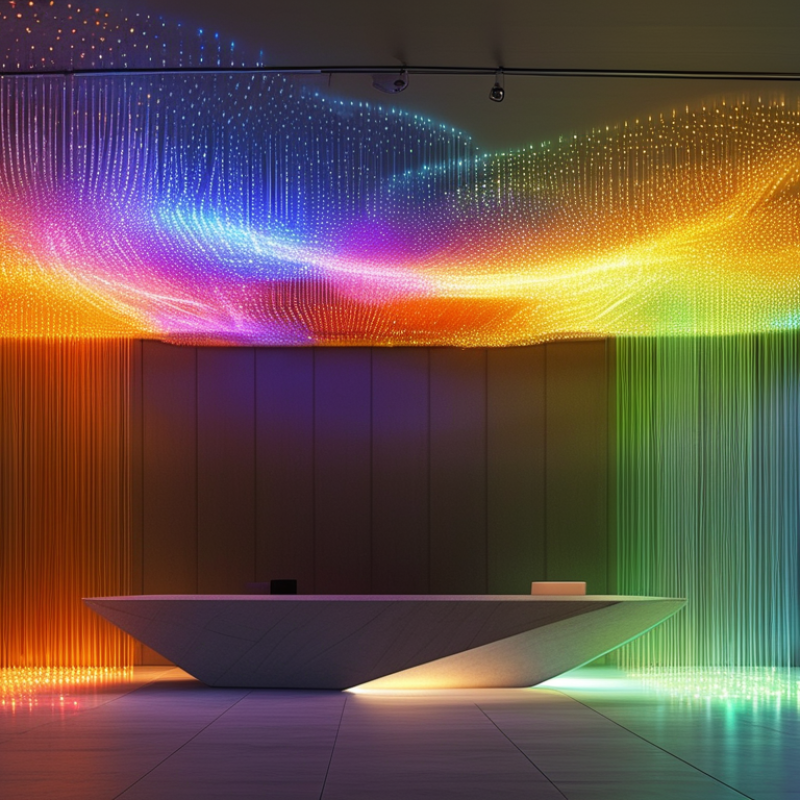
Fibre optic lighting has gained traction across various industries, revolutionizing traditional lighting methods. One notable application is in architecture, where it enhances the aesthetic appeal of buildings. Designers use fibre optics to create intricate light patterns in ceilings and walls. This technology allows for unique designs that change with the environment. Not all architects realize the full potential of fibre lighting. Misunderstandings about light distribution can lead to underwhelming results.
In the medical field, fibre optic lighting plays a crucial role. Surgeons benefit from bright, clear illumination during procedures. It aids in precision and reduces shadows in the operating room. However, not all medical facilities are equipped with this modern technology. Some may rely on outdated systems that do not meet current standards. This gap can affect patient outcomes and operational efficiency.
The entertainment industry utilizes fibre optic lighting extensively. Concerts and events come alive with vibrant colours and dynamic displays. Fibre optics make it possible to create immersive experiences for audiences. Yet, the cost of implementation can be a hurdle for smaller venues. They might miss out on spectacular effects due to budget constraints. Exploring partnerships could mitigate these issues and enhance production quality.
Applications of Fibre Optic Lighting in Various Industries
Technical Advantages of Fibre Optic Lighting Over Traditional Options
Fibre optic lighting offers a range of technical advantages that make it a compelling choice for various projects. One key benefit is its energy efficiency. Compared to traditional lighting, fibre optics require significantly less power to operate. This can lead to lower energy bills and a smaller carbon footprint. The technology is also versatile, allowing for unique designs in both residential and commercial settings.
Durability is another strong point of fibre optic systems. Unlike conventional bulbs, fibre optics do not burn out quickly. They are resistant to shock and vibrations, making them ideal for environments that demand resilience. This longevity reduces maintenance costs over time, though initial installation can be more complex. It's important to weigh these factors carefully.
In terms of lighting quality, fibre optics can provide a more uniform illumination. They can create visually stunning effects that are hard to achieve with standard lighting fixtures. However, achieving the perfect setup often requires careful planning and expertise. Not every project may benefit equally from fibre optics, and assessing your specific needs is crucial.
Cost Considerations for Implementing Fibre Optic Lighting
When considering fibre optic lighting, cost plays a crucial role in decision-making. Initial installation requires a significant investment. The materials, labor, and technology often increase expenses compared to traditional lighting options. However, examining long-term savings is essential. Fibre optic systems tend to consume less energy. This efficiency can lead to lower utility bills, which may offset those initial costs over time.
Maintenance costs are another factor to evaluate. Fibre optic lighting is generally more durable and has a longer lifespan than standard bulbs. Fewer replacements translate to reduced maintenance efforts and costs. Still, proper installation is vital. Poorly executed setups may lead to frequent issues, ultimately negating potential savings.
Additionally, the aesthetic appeal of fibre optic lighting adds value to projects. Unique designs can attract attention, influencing potential buyers or users. While the upfront expense is higher, the potential return on investment might justify the cost. It is crucial to analyze the specific needs of your project. Sometimes, a less expensive option may seem appealing but can lead to higher costs later on. Balancing immediate expenses with long-term advantages requires careful consideration.
Sustainability and Energy Efficiency of Fibre Optic Systems
Fibre optic lighting represents a significant innovation in the pursuit of sustainability. These systems use light transmission through thin glass fibers, significantly reducing energy consumption. Compared to traditional lighting, fibre optics operate at much lower power levels, resulting in a greener footprint. Their ability to create vibrant light while using minimal energy makes them an attractive choice for environmentally conscious projects.
The durability of fibre optic materials contributes to their energy efficiency. Unlike conventional bulbs that require frequent replacements, fibre optics last for years with minimal maintenance. This longevity helps to reduce waste and the resources needed for manufacturing new lighting fixtures. However, it is essential to acknowledge that installation costs can be higher initially. Despite this, the long-term energy savings and reduced environmental impact often make fibre optic systems a worthwhile investment.
Incorporating fibre optic systems can encourage responsible design. They offer versatile applications, from architectural highlights to artistic installations. Yet, it’s crucial to consider the scalability and implementation challenges. Not all designs may naturally lend themselves to fibre optic solutions. Thoughtful planning is essential to ensure these systems align with project goals while maximizing sustainable benefits.
Why Choose Fibre Optic Lighting for Your Next Project? - Sustainability and Energy Efficiency of Fibre Optic Systems
| Aspect |
Fibre Optic Lighting |
Traditional Lighting |
Sustainability Rating |
| Energy Efficiency |
70-90% lower energy consumption |
Less efficient, higher power use |
Excellent |
| Lifespan |
Up to 50 years |
1,000-2,000 hours |
Outstanding |
| Material |
Non-toxic materials |
Contains hazardous materials |
High |
| Heat Emission |
Minimal |
Significant heat production |
Low |
| Installation Impact |
Low environmental impact |
Higher disruption during installation |
Moderate |