Why Choose Fibre Optic Lighting for Your Home and Business Spaces
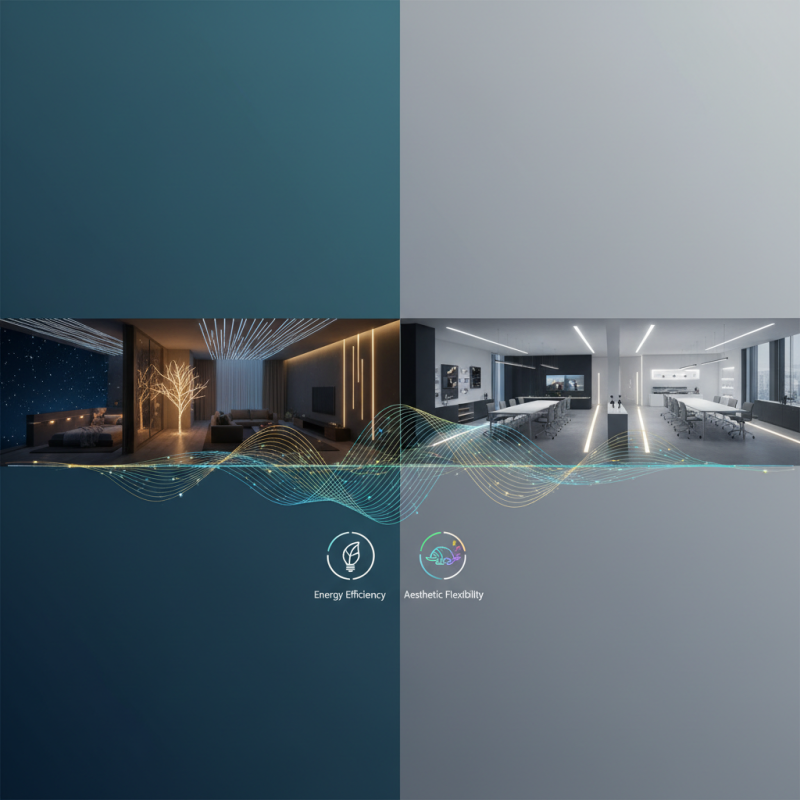
Fibre optic lighting is rapidly gaining popularity in both residential and commercial spaces, owing to its unique advantages and adaptability. According to a recent report by Research and Markets, the global fibre optic lighting market is expected to reach $4.2 billion by 2025, growing at a compound annual growth rate (CAGR) of 9.5%. This surge is indicative of a growing awareness among property owners and designers about the myriad benefits these innovative lighting solutions offer, from energy efficiency to aesthetic flexibility.
Expert in the field, Dr. Emily Carter, a renowned lighting designer, emphasizes the transformative potential of fibre optic lighting: "Incorporating fibre optic systems into interior design not only enhances the ambiance but also aligns with sustainable building practices." This statement underscores the dual functional and environmental appeal of fibre optic lighting, as it can be tailored to meet specific design needs while significantly reducing energy consumption compared to traditional lighting methods.
As both homes and businesses strive to create unique environments that reflect their identities, fibre optic lighting provides a versatile and eco-friendly option that meets the demand for innovative and sustainable design solutions. This introduction of next-generation lighting is poised to redefine how we illuminate our spaces, making it an essential consideration for future-oriented builders, architects, and homeowners alike.
Benefits of Fibre Optic Lighting for Residential Spaces
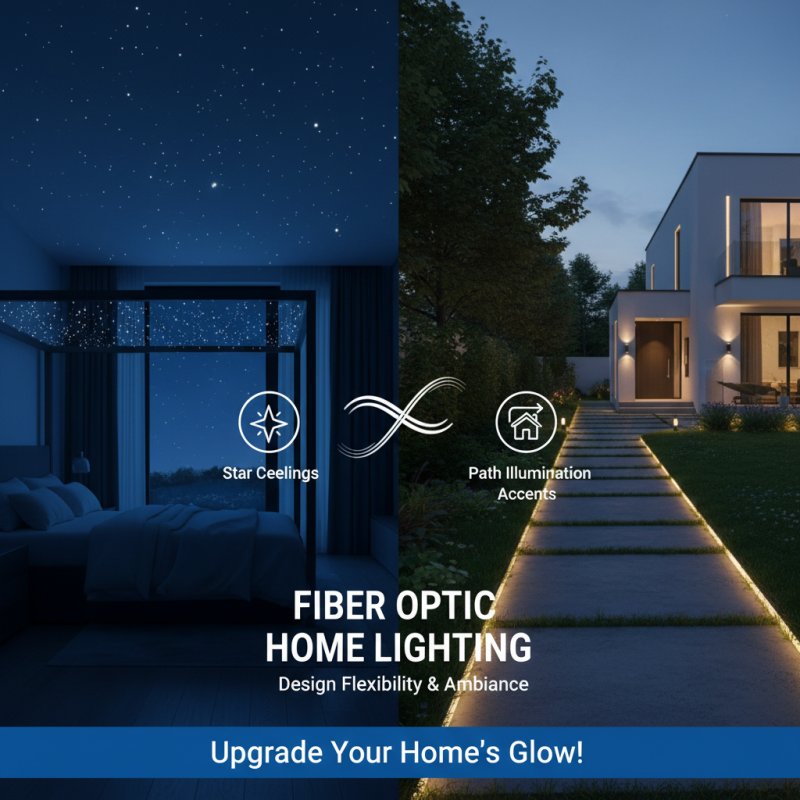
Fibre optic lighting is rapidly gaining popularity in residential spaces due to its unique aesthetic and functional benefits. One of the primary advantages is the flexibility it offers in design. Unlike traditional lighting, fibre optic systems can be easily integrated into various architectural elements, allowing homeowners to create captivating visual effects that enhance the overall ambiance of their living spaces. Whether it’s starry ceilings in a bedroom or illuminated pathways in gardens, the versatility of fibre optics allows for creative freedom.
Additionally, fibre optic lighting is energy efficient, which makes it an environmentally friendly choice for homeowners. These lighting systems use less electricity compared to conventional lighting, translating into lower energy bills and reduced carbon footprints. Moreover, they generate less heat, minimizing the risk of overheating and ensuring safer living environments, especially in spaces where children or pets are present. The longevity of fibre optic cables also means less frequent replacements, further contributing to cost savings and sustainability for residential users.
Advantages of Fibre Optic Lighting in Commercial Environments
Fibre optic lighting has gained considerable traction in commercial environments, offering a range of advantages that contribute to both operational efficiency and aesthetic appeal. One of the most notable benefits is its energy efficiency. According to a report by the International Energy Agency (IEA), buildings account for approximately 40% of global energy consumption, making efficient lighting solutions crucial. Fibre optic systems consume significantly less energy compared to traditional lighting methods, enabling businesses to reduce their carbon footprint while achieving substantial savings on electricity costs. For instance, studies suggest that fibre optic lighting can lower energy consumption by up to 80%, which is a compelling statistic for businesses looking to improve their sustainability metrics.
In addition to energy savings, fibre optic lighting promotes enhanced safety and ambiance in commercial spaces. The technology is resistant to environmental factors, such as extreme temperatures and humidity, making it ideal for use in a variety of settings including galleries, retail spaces, and outdoor installations. The flexibility in design—allowing intricate and customizable installations—facilitates a unique branding opportunity and can significantly enhance customer experiences. Research highlights that businesses using advanced lighting technologies, including fibre optics, report up to a 20% increase in customer engagement and satisfaction, emphasizing the importance of creating visually appealing environments that attract and retain clientele.
Why Choose Fibre Optic Lighting for Your Home and Business Spaces - Advantages of Fibre Optic Lighting in Commercial Environments
| Advantages |
Description |
| Energy Efficiency |
Fibre optic lighting systems consume less electricity compared to traditional lighting solutions. |
| Longevity |
Fibre optics can last up to 100,000 hours, greatly reducing replacement costs. |
| Safety |
Fibre optic lighting operates on low voltage, minimizing the risk of electrical hazards. |
| Design Flexibility |
Fibre optics can be easily integrated into various designs, allowing for creative lighting solutions. |
| Low Heat Emission |
Fibre optic lighting generates minimal heat, making it safer for sensitive environments. |
| Versatility |
Suitable for a wide range of applications, including decorative, functional, and accent lighting. |
Comparing Fibre Optic Lighting with Traditional Lighting Solutions
When considering lighting solutions for both home and business environments, the comparison between fibre optic lighting and traditional lighting methods reveals significant advantages. According to a report by the International Energy Agency, traditional incandescent bulbs consume approximately 60 watts of energy per hour, while newer LED technologies also fall short in energy efficiency compared to fibre optic systems. Fibre optic lighting, harnessing light through thin glass or plastic fibers, delivers illumination with much lower energy consumption and virtually zero heat emission, promoting enhanced safety and comfort.
Furthermore, the longevity of fibre optic systems is a compelling factor. Research from the Lighting Research Center indicates that traditional bulbs typically last around 1,000 hours, while fibre optic installations can endure up to 50,000 hours or more with minimal maintenance. This not only reduces the frequency of replacements but also lessens the environmental impact associated with disposal and production of light bulbs. In commercial settings, where operational efficiency is key, this durability can translate to substantial cost savings over time. Thus, the shift towards fibre optic lighting not only supports sustainability initiatives but also offers a practical solution to meet the evolving demands of modern spaces.
Installation Process and Maintenance of Fibre Optic Lighting Systems
The installation process of fibre optic lighting systems is a meticulous endeavor that requires careful planning and expertise. Initially, a comprehensive assessment of the space to be illuminated is conducted to determine the appropriate type and arrangement of fibre optic cables.
This assessment helps in creating a lighting design that aligns with both aesthetic and functional requirements. Once the design is finalized, the installation begins with measuring and marking the designated areas for light fixtures and cable runs. The fibres are then carefully laid out, often integrated into ceilings, walls, or even furniture, ensuring the light is directed precisely where it is needed.
Maintenance of fibre optic lighting systems is relatively straightforward, yet it is essential to preserve their functionality and appearance. Regular inspections should be performed to check for any dust or debris accumulation on the fibre ends, as this can diminish light output. If the fibres become damaged or degraded, it is crucial to address the issue promptly to prevent further complications.
Since fibre optic systems do not require replacement bulbs, overall maintenance often involves simply replacing the fibre strands when necessary. By adhering to these maintenance practices, both homes and businesses can enjoy the enduring benefits of fibre optic lighting for years to come.
Creative Applications of Fibre Optic Lighting in Interior Design
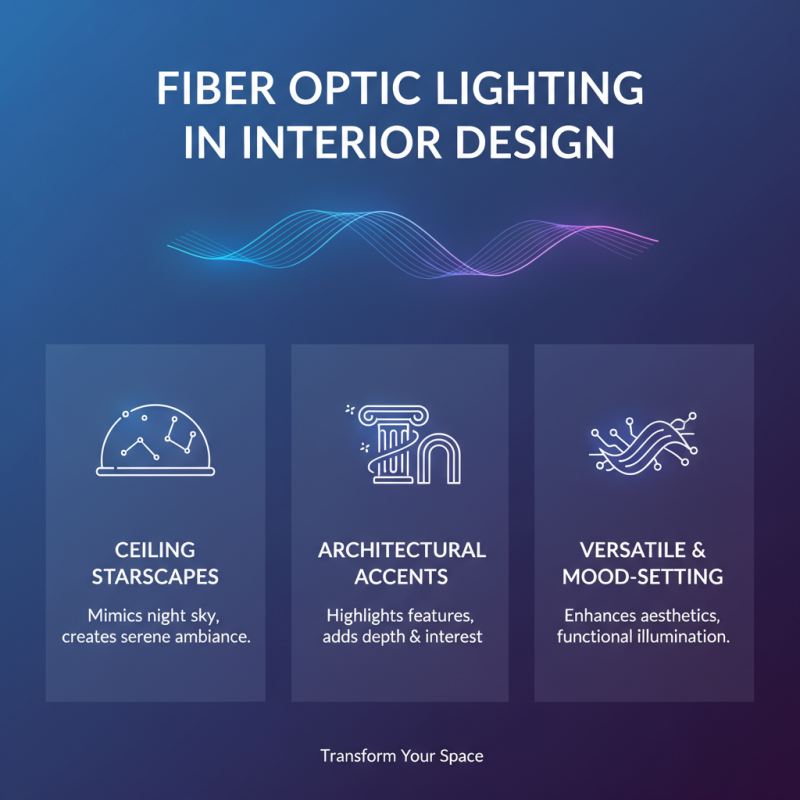
Fibre optic lighting has emerged as a versatile tool in interior design, offering myriad creative applications that can transform spaces both aesthetically and functionally. One popular use is in ceilings, where strands of fibre optics can mimic stars, creating a serene atmosphere reminiscent of a night sky. This technique not only enhances the visual appeal of a room but can also serve as an effective mood-setting element, ideal for bedrooms or relaxation areas. Furthermore, fibre optic lighting can be integrated into architectural features, such as columns and alcoves, adding depth and visual interest to a space.
Another innovative application is in furniture design, where fibre optics can be discreetly incorporated into tabletops or panels, providing subtle illumination. This approach allows for dramatic effects, such as glowing edges or enchanting patterns that change color or intensity, captivating the attention of guests. Additionally, fibre optic lighting can be utilized in retail environments to highlight merchandise, guiding customers' focus to specific areas, and enhancing the overall shopping experience. By creatively integrating fibre optic solutions in both residential and commercial settings, designers can unlock new dimensions of creativity while effectively meeting the lighting needs of their clients.