
10 Best Rechargeable Headlamps for Every Buyer

Choosing a headlamp sounds simple until the options start to blur together. Brightness numbers look impressive, but they do not tell the whole story. A beam that feels powerful in a shop may create harsh glare on a nearby trail. Fit matters, too. A loose strap can become annoying long before the battery runs low.

This guide to the 10 Best Rechargeable Headlamps for Every Buyer compares practical details that shape everyday use. We look at brightness settings, beam patterns, battery life, charging methods, weight, comfort, and useful features such as red-light modes. A Headlamp Rechargeable model can save you from buying disposable batteries, but charging convenience and runtime still vary. Check whether its battery can be replaced, and consider how long a full charge takes. Small details count.

Think about where you will use it. A runner may value a secure fit and a steady beam, while a camper may prefer simple controls and longer runtime. For repairs, a balanced beam can make close-up work easier. Not every feature earns its place. Some controls are fussy, and advertised runtimes can depend on settings and conditions. Read specifications carefully, then compare them with your own needs. No single headlamp suits everyone. A little compromise is normal. The right pick should feel comfortable, charge reliably, and provide enough light without making your evening routine harder.
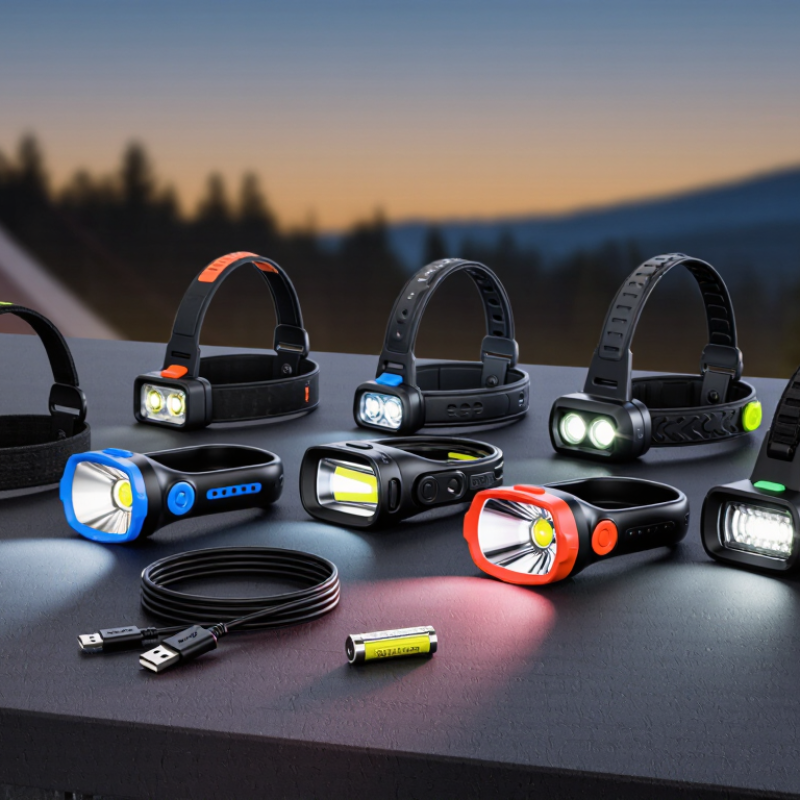
10 Best Rechargeable Headlamps for Every Buyer

Headlamp Performance Metrics: ANSI/PLATO FL 1 Lumens, Beam Distance, and Runtime

ANSI/PLATO FL 1-2019 gives buyers a consistent way to compare headlamp performance. Its lumen rating measures total light output, not how brightly the beam hits one spot. A high lumen figure can still disappoint on a dark trail if the beam spreads too widely. Check the beam pattern against your task: broad light helps with nearby camp chores, while a focused beam reaches farther along a path.

Beam distance under FL 1 is the point where illumination falls to 0.25 lux, roughly moonlit-ground brightness. It is useful for comparing reach, but it does not promise clear visibility at that distance. Runtime is measured until output drops to 10 percent of its starting level. That detail matters. A lamp rated for ten hours may spend much of that time dimmer than expected. Look for runtime charts, not just a single number. Heat, battery condition, and cold weather can also change real-world results. Standards help, but they cannot recreate every winter hike. I would compare each metric, then test the lamp at home before relying on it outdoors.

10 Best Rechargeable Headlamps for Every Buyer

Headlamp Performance Metrics: ANSI/PLATO FL 1 Beam Distance

ANSI/PLATO FL 1 defines beam distance as the distance at which illumination reaches 0.25 lux. The chart shows the peak beam intensity, in candela, corresponding to each distance using the inverse-square relationship: candela = 0.25 × distance². These are calculated reference values, not measurements or rankings of headlamps. Lumens describe total light output; runtime is product-specific and should be compared using the FL 1 runtime test, which ends when output falls to 10% of its initial level.

Rechargeable Power Systems: Li-ion Capacity, USB-C Charging, and Burn Time

A rechargeable headlamp’s battery capacity is useful, but it does not tell the whole story. A 2,000 mAh lithium-ion pack may last several hours on a moderate setting, yet high output can drain it much faster. Check runtime figures for each brightness level, not just the maximum setting. Cold weather and an older battery can also reduce usable burn time. The numbers are estimates, not promises.

USB-C makes charging convenient when the lamp supports it properly. Some models charge from common USB-C power sources, while others may require a particular cable or adapter. Look for clear charging indicators and a covered port that resists dust and moisture. A small detail matters: charging time can vary with the power source, so plan ahead before a long walk. I still find runtime charts a little optimistic; real conditions are messier.

Tips: Choose a battery capacity that fits your usual outing, rather than the largest number on the package. Test the lamp at your preferred brightness before relying on it. Keep a charged spare power source for longer trips, and avoid storing the headlamp fully depleted for months. A dim setting can preserve power, but it may not be enough for uneven trails.

Weatherproofing and Durability: IPX Ratings and Impact Resistance

A headlamp’s IPX rating gives a useful, limited picture of water protection. IPX4 generally means resistance to splashing from different directions, which suits drizzle or sweat. Higher ratings may indicate protection during temporary immersion, but check the maker’s exact test conditions. IPX does not describe dust resistance. That distinction matters on dry, gritty trails.

Impact claims deserve the same scrutiny. A lamp may survive an occasional bump against a tent pole, yet still crack if dropped onto rock. Look for a stated drop height or a recognized impact test, not just the phrase “rugged.” Check the lens, hinge, and battery-door seams; these small parts often take the hit. Not indestructible.

Real durability also depends on handling. Close the charging-port cover fully before heading out, and wipe mud or grit from seals before opening the battery compartment. Repeated flexing, heat, and age can weaken gaskets, so yesterday’s water resistance is not a lifetime guarantee. I would not judge a lamp by one dramatic dunk test; careful specifications and ordinary wear tell a more useful story.

Comparing 10 Rechargeable Headlamps by Beam, Weight, Battery, and Controls

A useful comparison of ten rechargeable headlamps starts with the beam, not the brightest number on the box. A wide flood beam helps with close tasks, such as sorting gear; a focused spot reaches farther along a dark trail. ANSI/PLATO FL 1-2019, an industry test standard, measures beam distance at 0.25 lux and runtime until output falls to 10% of its starting level. That makes published results easier to compare, though real use can differ.

Weight should include the battery and strap, not just the lamp body. A few extra ounces can feel significant after hours of walking. Battery capacity also needs context: milliamp-hours alone do not show stored energy unless voltage is known.

Compare watt-hours, charging time, and runtime at the same brightness setting. Small detail, big difference. Controls deserve a hands-on check: Can you switch modes with cold fingers or gloves? Is accidental activation likely inside a packed bag?

A ten-lamp shortlist may look tidy on paper, but control layouts are hard to judge from specifications alone. I would test them in the dark, then record which setting stayed comfortable without constant adjustment.

Best Headlamp Uses: Hiking, Running, Work, and Emergency Preparedness

A rechargeable headlamp is useful when both hands need to stay free. For hiking, choose a comfortable fit and a beam that reveals trail edges, roots, and loose stones without washing out nearby detail. A wide beam helps around camp, while a focused beam can make distant markers easier to see. On a long walk, check the battery before leaving; cold weather can shorten runtime. Runners benefit from a secure strap and steady light that does not bounce with each step. Brightness matters, but so does being able to notice the ground directly ahead. Small details matter.

For work, a headlamp can illuminate a fuse box, shed, or roadside repair while keeping your hands available. Look for controls that are easy to operate with gloves and a strap that stays put when you lean or turn. At home, keep one charged near your emergency supplies. During a power outage, it can help you move safely through dark hallways or find stored essentials. A headlamp is not a substitute for checking your route or work area, and it is easy to overestimate how long a charge will last.

Tips: Test the light at home, not during an emergency. Keep a charging cable nearby, and learn the lower brightness setting. It may be enough for close tasks and can preserve power. After a trip or job, recharge it; this simple habit is easy to forget.

10 Best Rechargeable Headlamps for Every Buyer — Best Headlamp Uses: Hiking, Running, Work, and Emergency Preparedness

These are ten buyer-focused headlamp profiles, not specific branded products. Output, runtime, weight, and charging details are representative ranges; actual specifications vary by model, brightness setting, battery, and temperature. Runtime figures generally refer to a medium setting.

Buyer Pick Best Use Typical Light Output Typical Medium-Setting Runtime Rechargeable Power Typical Weight Useful Features Main Trade-Off
1. Lightweight Trail Headlamp Day hikes, backpacking, and general outdoor use 200–400 lumens About 4–10 hours Built-in rechargeable battery, commonly charged by USB About 50–90 g Low carry weight, adjustable beam, and a lower-output mode for camp tasks Less battery capacity and shorter high-output runtime than larger models
2. Long-Runtime Backpacking Headlamp Multi-day trips and overnight hiking 300–600 lumens About 8–20 hours Higher-capacity rechargeable battery; some designs accept a spare battery About 90–160 g Longer usable runtime, a low-power setting, and a red-light mode on some models Usually heavier and bulkier than a minimalist trail light
3. Wide-Beam Hiking Headlamp Walking on trails, setting up camp, and close-range tasks 250–500 lumens About 5–12 hours Rechargeable battery, often with USB charging About 70–130 g Broad flood beam gives an even view of nearby ground and surroundings Typically has less reach than a focused beam for spotting distant trail markers
4. Focused-Beam Trail Headlamp Fast hiking and routes where seeing farther ahead is useful 300–700 lumens About 3–10 hours Rechargeable battery; some models use a separate rear battery pack About 90–180 g More concentrated beam can improve forward visibility on open trails A narrow beam may be less comfortable for close-up work and peripheral viewing
5. Running Headlamp Road running and nighttime trail running 200–500 lumens About 2–8 hours Rechargeable battery, usually designed for frequent charging About 60–140 g Secure adjustable strap, low bounce, and a beam suited to movement Compact designs may have limited runtime at their brightest setting
6. Work and Inspection Headlamp Repairs, maintenance, and hands-free close-up tasks 200–600 lumens About 4–12 hours Rechargeable battery, commonly charged through a USB port About 80–180 g Tilting lamp head, stable strap, and useful low or medium settings Some work-oriented designs prioritize durability over low weight
7. High-Output Utility Headlamp Outdoor work, searching, and occasional long-distance illumination 600–1,200 lumens on maximum output About 1.5–6 hours Large rechargeable battery; some designs have a rear-mounted pack About 150–300 g Bright maximum mode and a beam intended to reach farther Maximum brightness drains the battery quickly and can add heat and weight
8. Emergency-Preparedness Headlamp Power outages, household kits, and backup lighting 100–400 lumens About 6–20 hours on moderate or low settings Rechargeable battery; a model with a battery-status indicator is helpful About 70–160 g Simple controls, an efficient low mode, and a design that is easy to store A rechargeable lamp can be unready if it is stored without periodic charging
9. Weather-Resistant Outdoor Headlamp Hiking and work in rain or damp conditions 200–600 lumens About 3–12 hours Rechargeable battery, with the charging port protected by a cover on some designs About 80–180 g Look for a published ingress-protection rating and sealed port design Water resistance is not the same as waterproofing; check the rating and instructions
10. Simple Everyday Headlamp Dog walks, camping, household tasks, and occasional use 150–400 lumens About 4–12 hours Built-in rechargeable battery with convenient USB charging About 60–140 g Easy operation, comfortable strap, and practical low and high modes May lack specialist features such as a replaceable battery or a long-range beam