10 Best Pallet Rack Systems for Warehouses
Choosing among the 10 best Pallet Rack systems starts with the work happening on the warehouse floor. A selective rack gives forklift operators direct access to each pallet. Drive-in systems use space more densely, but require tighter control of inventory rotation. Push-back and pallet-flow designs can speed picking when stock moves predictably. The right fit depends on load dimensions, SKU count, lift-truck turning space, and daily throughput—not just the number of pallet positions.
A useful design principle, expressed here as an original editorial quote rather than a verified quotation, is attributed to warehouse-storage specialist Dana Mercer: “A rack earns its place when every load has a clear, safe path in and out.” That path matters. A beam level set too high, a narrow aisle, or a poorly protected end frame can complicate routine moves. Small details. Big consequences.
This guide compares ten common systems by access, storage density, operating demands, and practical trade-offs. It also considers details buyers can overlook, such as pallet condition, future layout changes, floor capacity, and inspection routines. A high-density layout may look efficient on paper. In practice, it can slow replenishment or limit access to specific loads. No single system suits every building. Use the comparisons as a starting point, then confirm dimensions, capacities, and site conditions with qualified rack and warehouse professionals before specifying equipment.
How Pallet Rack Systems Organize Warehouse Storage
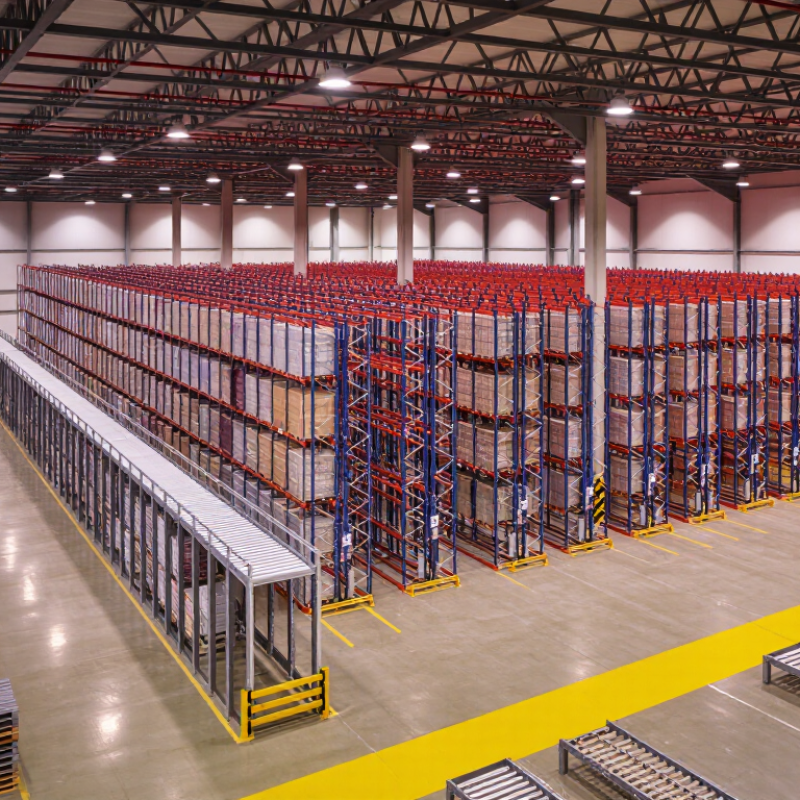
Pallet rack systems organize warehouse storage by turning floor space into clearly defined locations. Each bay holds pallet loads at planned heights, while upright frames and beams create vertical storage without blocking every aisle. A warehouse team can assign each position a location code, then connect that code to inventory records. This makes stock easier to find and reduces unnecessary travel. That matters.
Rack layout also shapes how goods move. Fast-moving items placed near picking or shipping areas can shorten routine trips. Slower stock may fit higher or more distant positions, provided the load and equipment are suitable. Clear aisles give forklifts room to turn, and visible load information helps workers avoid placing unsuitable pallets in a bay. These details need regular checks: damaged beams, changing inventory, or new equipment can make an old layout less effective. A neat plan is not always a practical one.
Tips: Label locations where workers can see them from the aisle. Keep heavier pallets at lower levels when the design allows. Review pick routes after busy periods, and note where congestion keeps returning. Small adjustments can help, though they may not solve every bottleneck.
Key Features Used to Compare Pallet Rack Designs
Pallet rack systems differ in more than storage density. Compare rated load capacity with the weight and dimensions of the actual pallets being stored. Beam length, upright height, and frame depth affect both fit and stability. Check the rack’s layout against forklift turning space and aisle width; a high-capacity design may slow daily picking if access is awkward. Also consider whether workers need direct access to every pallet or can use a more compact, less selective layout. Small details matter.
Tips: Measure pallets, loads, ceiling height, and aisle clearance before comparing designs. Confirm capacity figures with the system’s technical documentation, not a rough visual estimate. A neat floor plan can still miss real forklift movement.
Durability, adjustability, and installation needs also shape the comparison. Look for clear guidance on anchoring, load distribution, and routine inspections. Adjustable beams can accommodate changing inventory, but frequent changes need careful checks to keep connections secure. Ask how damaged components should be identified and replaced. The best fit depends on real operating conditions, not just the number of pallet positions in a drawing. Even a careful plan can need revision after staff test the layout with actual equipment. That is worth allowing for.
Ten Pallet Rack Systems and How They Work
Pallet rack systems differ in access, density, and stock rotation. The right choice depends on pallet size, turnover, and handling equipment. MHI’s 2024 Annual Industry Report found that 55% of surveyed organizations planned to invest more than $1 million in supply-chain innovation. Rack design deserves the same care as automation: both shape travel paths and picking time.
Selective rack gives forklifts direct access to every pallet. Double-deep rack stores two pallets back-to-back, but needs reach trucks. Drive-in rack lets forklifts enter lanes; drive-through rack allows entry from both ends. Push-back carts move pallets forward as workers remove the front load. Pallet-flow rollers use gravity to move stock toward the picking face. Cantilever arms hold long items such as pipes. Mobile racks slide along floor rails to open one aisle at a time. Narrow-aisle rack uses specialized trucks in tighter lanes. Mezzanine-supported rack adds storage levels above the floor. Automated storage and retrieval systems use machines to place and retrieve loads within a rack structure.
Trade-offs matter. High density can reduce immediate access, while mobile or automated systems add mechanical complexity. A few centimeters of pallet overhang can cause trouble. Measure actual loads, check floor conditions, and test turning paths with the intended forklift. Small details count. No layout fits every warehouse, and forecasts can miss seasonal peaks. Include those limits in the design review.
10 Best Pallet Rack Systems for Warehouses
Typical pallet positions deep per storage lane
Selective, mobile, and narrow-aisle racks provide direct access to single-deep pallet positions. Double-deep, drive-in, drive-through, push-back, pallet-flow, shuttle, and automated systems store pallets deeper in each lane to increase storage density. Values are representative examples; actual lane depth depends on the system design, pallet dimensions, load, and site requirements.
Comparing Storage Capacity, Selectivity, and Throughput
Choosing among ten pallet rack systems means balancing storage capacity, selectivity, and throughput. Selective racks give operators direct access to every pallet, but use more aisle space. Double-deep and push-back systems increase pallet density, though some loads become less accessible. Drive-in racks suit larger quantities of similar products. Pallet-flow racks can speed up rotation by moving loads toward the picking face. Mobile racks reduce fixed aisles, but add moving equipment and operating steps. Shuttle systems can support high-volume storage, yet their performance depends on compatible pallets and reliable workflows.
Tips: Measure clear heights and aisle widths before comparing layouts. Track pallet dimensions, daily picks, and replenishment frequency. Check forklift turning space on the floor, not only on a drawing.
A high-capacity layout is not automatically a productive one. If workers frequently retrieve mixed products, reduced selectivity may create delays. If inventory moves in predictable batches, denser storage may be a better trade. Throughput also depends on receiving schedules, pick paths, and equipment availability—not rack design alone. Use actual movement data to test a proposed configuration. A neat spreadsheet can hide awkward turns or blocked access. That deserves a second look. Even experienced teams may need to revise assumptions after a trial layout or short operating review.
Choosing a Rack System for Warehouse Operations
10 Best Pallet Rack Systems for Warehouses
Choosing a rack system starts with the work your warehouse actually handles. Check pallet dimensions, loaded weights, daily picks, and available aisle space. A selective rack gives forklift operators direct access to each pallet, while drive-in designs can suit large quantities of similar products. Measure clear heights, sprinkler clearance, and turning areas before comparing layouts. A drawing can look efficient and still create awkward traffic at shift change.
Tips: Record your busiest picking periods and observe where operators wait. Confirm rack capacity with a qualified supplier or engineer, using actual load data. Leave room for safe forklift movement. Small details matter.
The right choice also depends on inventory turnover and product variation. Pallet-flow racks can support fast-moving goods, while push-back systems store multiple pallets deep. Neither is automatically better; deeper storage may reduce access to individual loads. Check floor condition, column locations, and future changes in inventory. I would not treat a capacity label as a substitute for proper installation and regular inspections. Aisles, beams, and anchors need attention after layout changes or impacts.