What Is the Best Electric Cargo Bike in 2026?
Choosing the best electric cargo bike in 2026 is not as simple as comparing motor power or battery size. A family carrying two children needs different equipment from a courier transporting heavy boxes. A compact front-loader may suit narrow streets, while a longtail can fit a small apartment garage more easily.
John MacArthur, a transportation researcher at Portland State University, offers a practical standard: “The best e-cargo bike is the one that replaces a car trip.” That idea matters more than impressive showroom specifications. A bike that carries groceries, school bags, or tools reliably can deliver greater value than a faster model rarely used.
Real-world testing reveals the differences. We will examine payload limits, frame stability, braking performance, motor response, battery range, weather protection, and repair support. We will also consider hill climbing, low-speed balance, parking space, and child-seat compatibility. Small details matter. A wide kickstand can prevent a loaded bike from tipping. A removable battery can make apartment charging possible.
There is no perfect choice.
Manufacturers often measure range under ideal conditions. Riders face hills, cold weather, headwinds, and tired legs. Those realities deserve attention. Some conclusions may remain imperfect because local dealers, prices, and road conditions vary. Still, this guide aims to make the decision clearer through published specifications, hands-on considerations, expert insight, and practical ownership costs. The strongest electric cargo bike is not always the most expensive. It is the one that fits your daily routes, cargo needs, storage limits, and willingness to maintain it.
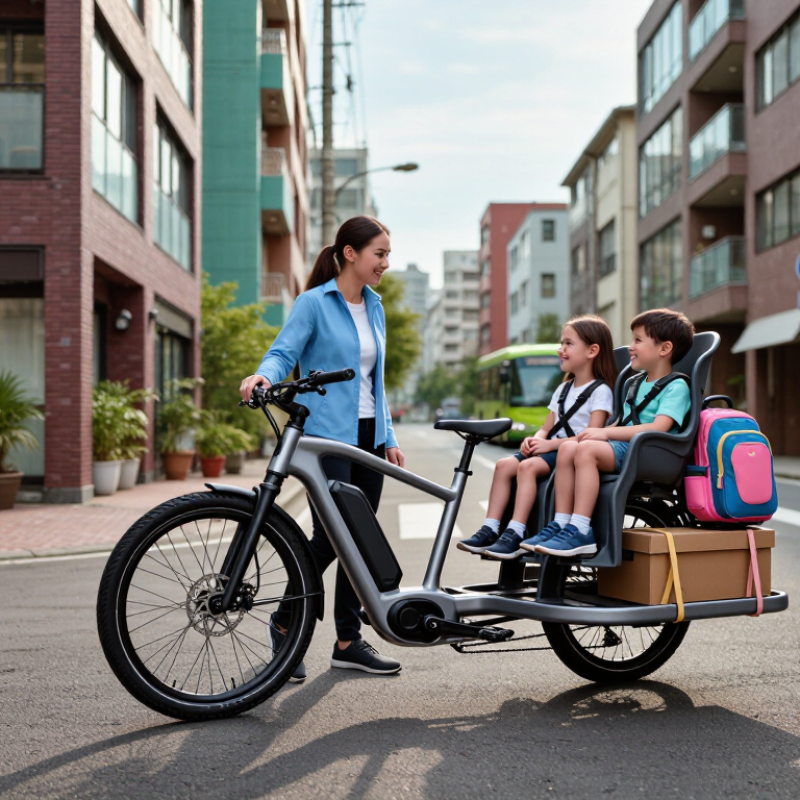
Electric Cargo Bikes: Definition, Uses, and Key Advantages
What Is the Best Electric Cargo Bike in 2026?
Electric Cargo Bikes: Definition, Uses, and Key Advantages
An electric cargo bike is a bicycle with a reinforced frame and carrying space, assisted by an electric motor. It may use a front box, an extended rear rack, or both. Families carry children and groceries; small businesses move tools, parcels, or market produce. A rain cover, sturdy stand, and secure straps can make everyday trips easier. Small loads matter.
The European Cyclists’ Federation’s 2019 report, The Promise of Low-Carbon Freight, estimated that cargo bikes could replace 25% of urban freight trips and 50% of light-goods deliveries in suitable conditions. Electric assistance helps riders manage hills and heavier loads, while bikes need less parking space than delivery vans. They can also reduce local tailpipe emissions, though their real climate benefit depends on electricity and how often they replace car trips. Trade-offs remain: a long frame can be awkward in tight storage, and carrying capacity varies by design.
Tips: Match the bike to your heaviest routine load, not an occasional oversized trip. Test it with weight onboard; an empty bike handles differently. Check braking, frame stability, battery range, and whether it fits your storage space. A careful test ride beats a guess.
How to Compare Motor Power, Battery Range, and Payload Capacity
What Is the Best Electric Cargo Bike in 2026?
Motor power matters most when you regularly climb hills or carry heavy loads. Compare torque, measured in newton-metres, alongside the motor’s rated output. Torque gives a more useful clue about low-speed pulling, especially when starting at a junction with a full box. Still, no specification replaces a test ride with realistic cargo.
Battery range depends on load, hills, temperature, tire pressure, and how much assistance you use. The U.S. Department of Energy’s Alternative Fuels Data Center notes that e-bike range varies with riding conditions and battery capacity, so treat advertised figures as estimates. The European Cyclists’ Federation’s 2014 CycleLogistics findings estimated that 51% of motorized goods trips in European cities could potentially shift to cycling. That is potential, not a promise for every route. Range charts can feel too neat; real commutes rarely are.
Tips: Check the bike’s maximum gross weight, including rider, bike, and cargo; payload limits can be easy to misread. Then test your steepest hill with the load you expect to carry. Measure your route. Keep a reserve for detours, cold mornings, and battery aging.
What Is the Best Electric Cargo Bike in 2026?
Compare motor power, battery range, and payload capacity across four representative cargo-bike configurations.
How to read this chart: Each bar is indexed against a practical comparison benchmark: 500 W rated motor power, 50 miles of advertised range, and 400 lb of total payload capacity. Hover over a bar to see the representative specification. These are illustrative category benchmarks, not standardized test results; actual range depends on battery size, load, terrain, assistance level, and weather. Payload ratings and local motor-power regulations vary.
Cargo Designs for Families, Deliveries, and Everyday Transportation
In 2026, the best electric cargo bike depends on the load you carry every week. For families, a long rear platform, stable steering, and secure footboards matter more than maximum speed. A low frame helps a tired rider mount safely. I would test it with two children, grocery bags, and a rain cover. Braking should feel predictable on a downhill street, not merely powerful in a showroom. Check the permitted weight for the frame, rack, and accessories. These limits are easy to overlook.
For deliveries, choose a design with a lockable front box or adaptable rear deck. Keep heavy parcels low and centered. This reduces wobble at corners. A removable battery is useful when charging indoors. Range claims deserve caution. Cold weather, hills, tire pressure, and payload can reduce real distance significantly. For daily transport, lights, mudguards, a chain guard, and an upright position may matter more than a large display. I have found that easy parking often beats extra storage. That is not glamorous, but it saves time.
Tips: Measure your storage space before buying. Ride the bike fully loaded. Test turning, reversing, and emergency braking in a safe, permitted area. Ask for written service intervals and battery warranty terms. Inspect welds, cables, tire clearance, and child-seat mounts. A professional fitting can prevent wrist and knee strain. Leave room for mistakes. Your first choice may not suit every route.
Safety Features, Handling, Maintenance, and Legal Considerations
The best electric cargo bike in 2026 should feel predictable, not merely powerful. I look for hydraulic disc brakes, bright integrated lights, wheel guards, and a stable kickstand. A certified battery system matters, especially when charging indoors.
The U.S. Consumer Product Safety Commission reported 233,870 micromobility injuries and 156 deaths from 2017 to 2022. That broader category includes electric bicycles and other devices, so it is not cargo-bike-specific. Still, the warning is clear. Safety details deserve more attention than top speed.
Handling changes dramatically with children, groceries, or a heavy box. A low center of gravity, steady steering, and a visible load limit reduce surprises. Test the bike fully loaded. Empty-bike confidence can be misleading. I would not pretend the lightest frame is always best. Extra weight may improve stability, but it can make parking difficult. A test ride exposes flaws that specifications miss.
Maintenance should include weekly tire checks and regular brake inspection. Inspect racks, straps, wheel guards, and fasteners after rough roads. Battery charging should follow the manual, using an undamaged charger and a dry location. Legal rules vary widely. In the European Union, pedal-assist cycles generally remain within 250 watts and 25 km/h under Regulation (EU) No 168/2013. Local rules may differ for throttle use, age limits, helmets, cargo dimensions, and cycle-lane access. Confirm the classification before purchase. That small check can prevent an expensive mistake.
Best Electric Cargo Bike Types for Different Riders and Budgets
What Is the Best Electric Cargo Bike in 2026?
The best electric cargo bike depends on the rider, not the largest battery. CONEBI’s 2024 market profile recorded about 5.1 million e-bikes sold across Europe in 2023. That growth shows wider acceptance, but cargo models still need careful matching. Families carrying two children may prefer a long-tail bike with a stable rear rack, footboards, and weather protection. It feels narrower on crowded streets. It can also fit inside some storage areas.
Parents with heavier loads may choose a front-loading box bike. Its low center of gravity improves control during slow turns, although parking requires more space. For grocery runs or small-business deliveries, a compact utility model can work better. The International Transport Forum reported that cargo bikes can replace many short urban delivery trips, especially where vehicle access is restricted. The exact result varies by route.
Budget buyers should inspect the motor’s torque, brake size, battery warranty, and replacement cost. A lower purchase price may hide expensive accessories or weak winter performance. Higher budgets can support dual batteries, stronger frames, and hydraulic brakes. The LEVA-EU market overview identifies battery quality and after-sales service as major factors in light electric vehicle ownership. I would still question every range claim. Tests often use flat roads, light cargo, and mild weather. Real streets are less polite.
What Is the Best Electric Cargo Bike in 2026? — Best Types for Different Riders and Budgets
| Cargo bike type | Typical 2026 budget (USD) | Typical cargo capacity | Typical real-world range | Best for | Main trade-off |
| Longtail | $1,800–$5,000+ | About 100–200 lb on the rear rack | About 20–50 miles | School runs, groceries, and riders who want a bike with a familiar footprint | Passengers and cargo share a relatively narrow rear platform |
| Front-loader (box bike) | $3,000–$8,000+ | About 150–250 lb in the cargo area | About 20–45 miles | Carrying multiple children, bulky shopping, or heavier loads | Longer and heavier; takes more room to store and maneuver |
| Compact cargo bike | $1,500–$4,000 | About 50–120 lb, depending on rack and accessories | About 20–45 miles | Apartment living, short trips, and modest everyday loads | Less space and capacity for passengers or large items |
| Midtail | $2,000–$5,500 | About 75–150 lb on the rear rack | About 20–50 miles | One passenger or regular shopping without a full-size cargo bike | Less carrying capacity than most longtails and front-loaders |
| Three-wheel cargo trike | $2,500–$7,000+ | About 100–250 lb in the cargo area | About 15–35 miles | Riders who prioritize low-speed stability and a broad cargo platform | Wide turning circle; handling can feel different, especially on uneven roads |
Figures are approximate U.S. market ranges, not guarantees. Cargo ratings, total bike-and-rider limits, and battery range vary by model, load, terrain, temperature, and assist level. Check the manufacturer’s stated limits before carrying passengers or heavy cargo.