Top 7 Benefits of Using Underground Ducting for Fibre Optic Cable Installation Efficiency
As the demand for high-speed internet continues to escalate, the installation of
fibre optic cables has become increasingly vital for delivering
superior connectivity. One of the most effective methods for achieving this is through the utilization of
underground ducting for fibre optic cable. This approach not only enhances the overall
efficiency of the installation process but also provides numerous benefits that contribute to the longevity and
reliability of the infrastructure.
In this article, we will explore the top seven advantages of using underground ducting for fibre optic cable installation.
From protecting the cables from environmental hazards to facilitating easier maintenance and repairs, underground ducting
plays a crucial role in ensuring that fibre optic networks remain operational and efficient. By understanding these
benefits, businesses and service providers can make informed decisions that improve their network installations while
maximizing return on investment.
Enhanced Protection Against Environmental Factors in Underground Ducting
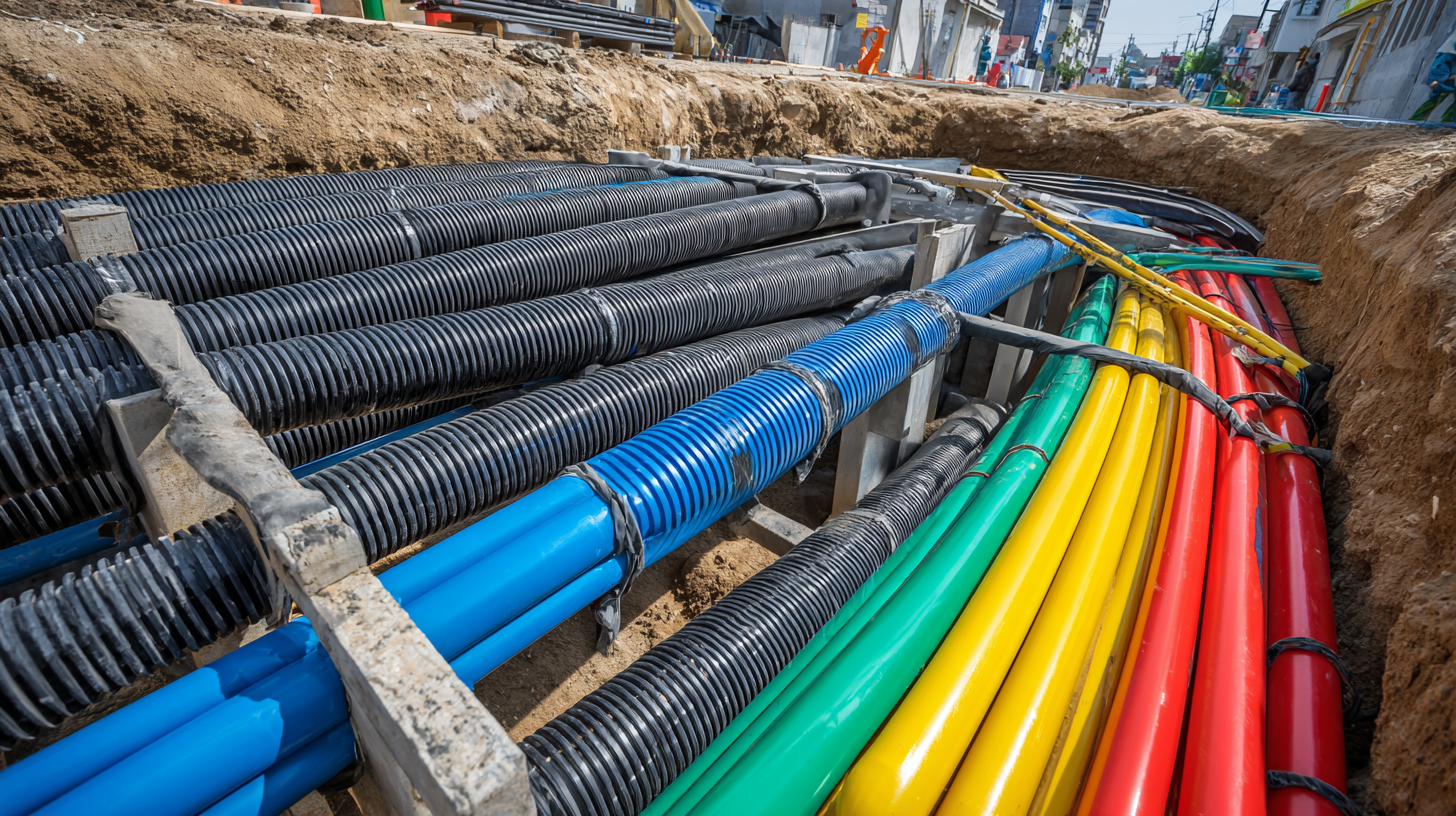
Underground ducting plays a crucial role in the installation of fibre optic cables, particularly when it comes to providing enhanced protection against environmental factors. By burying the ducts below the surface, fibre optic cables are safeguarded from harsh weather conditions such as extreme temperatures, heavy rainfall, and strong winds. This protective layer minimizes the risk of damage caused by environmental hazards, ensuring the integrity and longevity of the fibre optic connections.
In addition to shielding cables from Mother Nature, underground ducting also offers protection from physical threats. This installation method reduces the likelihood of accidental damage from vehicles, construction activities, or wildlife, which are common risks for overhead installations. Moreover, the underground placement aids in maintaining the aesthetic appeal of an area, as visible wiring is minimized. This combination of environmental and physical protection significantly enhances the overall efficiency of fibre optic cable installations, making underground ducting a preferred choice for many network providers.
Top 7 Benefits of Using Underground Ducting for Fibre Optic Cable Installation Efficiency
The following chart illustrates the key benefits of using underground ducting for fibre optic cable installations, focusing on enhanced protection against environmental factors.
Improved Installation Speed and Reduced Labor Costs through Efficient Ducting
Underground ducting for fibre optic cable installation comes with significant advantages that directly enhance installation speed and reduce labor costs. By utilizing underground ducts, technicians can swiftly deploy fibre optic cables without the hindrance of overhead obstructions or the complexities associated with above-ground installations. This streamlined process not only expedites the installation timeline but also minimizes the need for extensive site preparation, allowing teams to focus on completion rather than complications.
Moreover, the efficiency of underground ducting translates to lower labor costs. With reduced installation time, fewer technicians are required onsite, and the risk of errors is diminished, leading to less rework. Additionally, the inherent protection provided by underground ducts safeguards the cables from environmental damage, which can further reduce ongoing maintenance expenses and disruptions. This combined efficiency in both installation and long-term management highlights the economic benefits of adopting underground ducting as a preferred method for fibre optic cable deployment.
Minimal Disruption to Surface Traffic and Landscaping During Installation
Underground ducting for fibre optic cable installation offers substantial advantages, particularly in minimizing disruption to surface traffic and landscaping during the installation process. Traditional overhead installations can lead to significant disturbances, including road closures and extensive landscaping alterations. By utilizing underground systems, these issues can largely be mitigated. According to a recent industry report, projects that implement underground ducting can reduce surface disruption by up to 70%, allowing for faster installation times without obstructing daily activities in urban areas.
Furthermore, as urban landscapes increasingly prioritize modern aesthetics and safety, underground ducting aligns seamlessly with these goals. For instance, cities like HCM City are actively pursuing initiatives to bury utility cables, showcasing a commitment to enhancing public spaces while ensuring safety. Implementing underground ducting not only preserves the visual integrity of our environments but also facilitates smoother traffic flow, embodying a forward-thinking approach to urban infrastructure. With fibre optic installations poised to meet growing connectivity demands, adopting underground solutions is not only practical but essential in today's fast-paced world.
Top 7 Benefits of Using Underground Ducting for Fibre Optic Cable Installation Efficiency
| Benefit |
Description |
Impact on Installation |
Surface Disruption Level |
| Minimal Surface Disruption |
Underground ducting minimizes the need for extensive digging. |
Reduces time and labor costs. |
Low |
| Improved Installation Speed |
Faster setup due to direct access to ducts. |
Completes projects quicker. |
Medium |
| Protection Against Damage |
Ducting shields cables from environmental hazards. |
Increases system longevity. |
Low |
| Aesthetic Preservation |
Maintains visual integrity of landscapes. |
Enhances customer satisfaction. |
None |
| Flexibility for Future Expansion |
Easily accommodates future fiber upgrades. |
Cost-effective long-term planning. |
Low |
| Reduced Weather Impact |
Protection from extreme weather conditions. |
Less operational downtime. |
None |
| Safety Enhancements |
Reduced risk of accidents during installation. |
Improves overall workplace safety. |
Medium |
Increased Longevity and Reliability of Fibre Optic Cables in Underground Systems
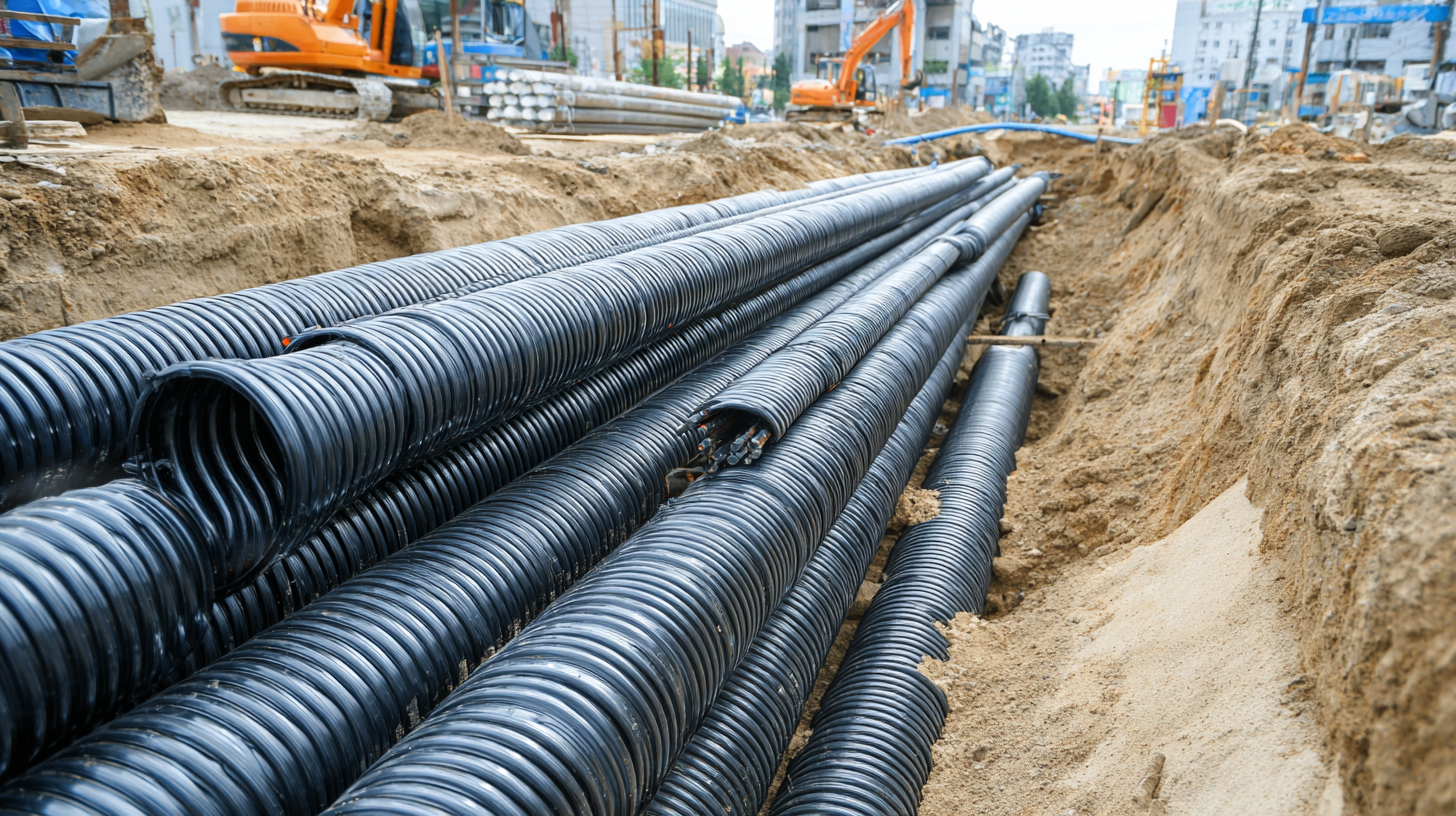 Underground ducting for fibre optic cable installation offers significant advantages in terms of longevity and reliability. When fibre optic cables are installed underground, they are less susceptible to environmental factors such as extreme weather conditions, UV degradation, and physical damage from external sources. This protection greatly enhances the durability of the cables, enabling them to maintain optimal performance over time. With a stable installation environment, businesses can avoid costly maintenance and replacement, leading to more efficient resource allocation.
Moreover, underground duct systems provide additional benefits that contribute to the overall reliability of fibre optic networks. These systems are designed to shield cables from interference and potential hazards, minimizing the risk of outages due to accidental cuts or damages. As a result, organisations can ensure uninterrupted connectivity, which is crucial for various applications ranging from data transmission to critical communications. Ultimately, investing in underground ducting not only extends the lifecycle of fibre optic infrastructures but also enhances the integrity and efficiency of modern communication systems.
Streamlined Maintenance and Future Upgrades with Accessible Ducting Solutions
Underground ducting solutions provide significant advantages when it comes to the maintenance and future upgrades of fibre optic cable systems. One of the main benefits of accessibility to these ducts is the ease of conducting routine inspections and repairs. Unlike overhead installations, which may require ladder access or significant disruption for maintenance, underground ducts allow technicians to quickly assess and address issues without impacting the surrounding environment. This streamlined approach not only saves time but also minimizes inconvenience for businesses and residents alike.
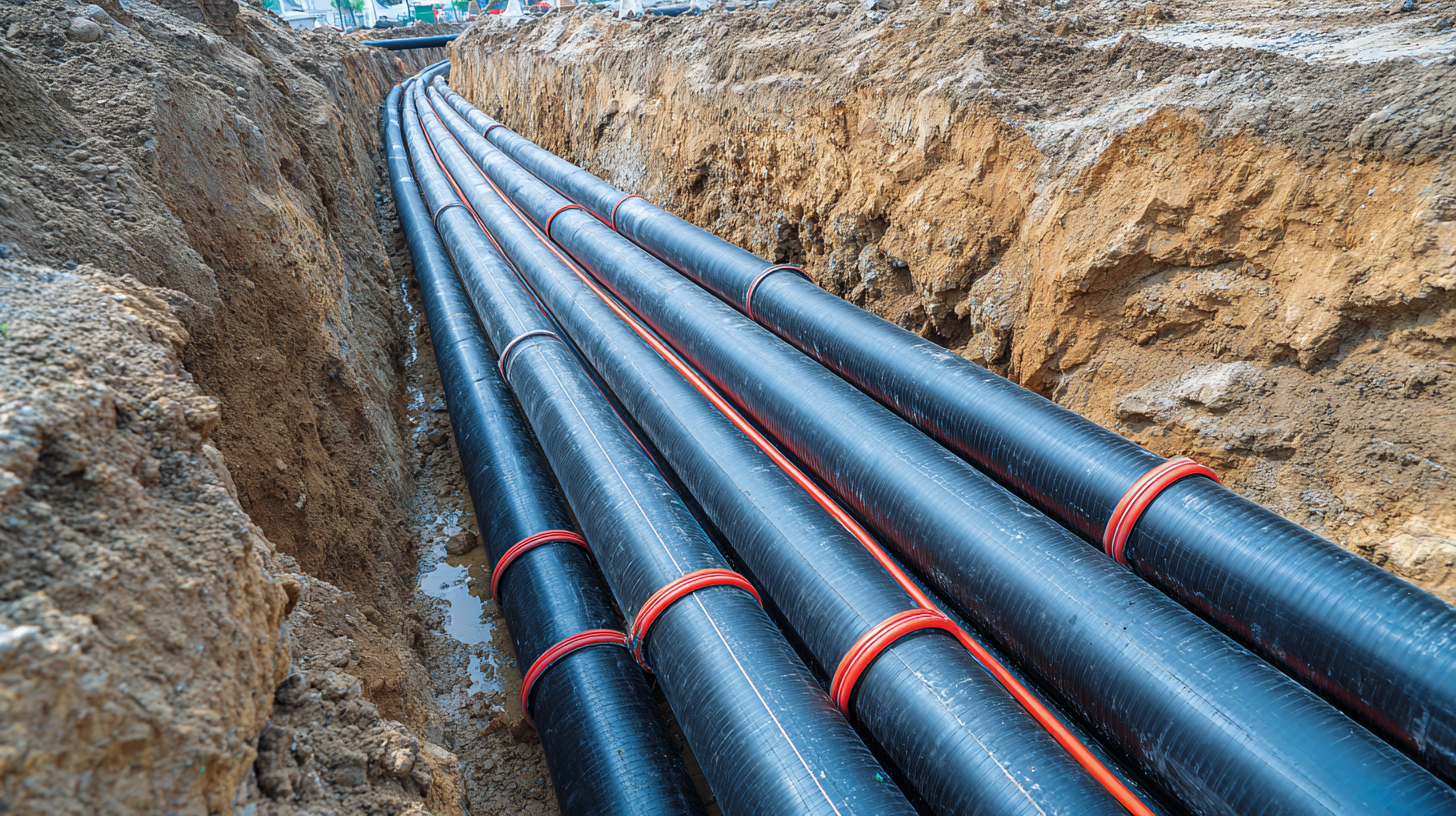
Moreover, the design of underground ducting facilitates future upgrades as technology evolves. As demand for higher bandwidth increases, easy access to existing ducts allows for the straightforward installation of larger or additional cables, thus enhancing the network capacity. This future-proofing aspect ensures that infrastructure can grow alongside the technological landscape, providing long-term value and reducing the need for extensive excavation work. Overall, accessible ducting solutions not only enhance the efficiency of fibre optic installations but also support sustainable growth in the digital infrastructure.