Discover the Benefits of Buying Fibre Optic Cable for Your Home Network
As technology continues to advance, the demand for faster and more reliable internet connections in homes is greater than ever. According to the latest report from the Fiber Broadband Association, nearly 80% of consumers now desire speeds exceeding 1 Gbps, making fibre optic cable the ideal solution to meet these needs. By choosing to buy fibre optic cable, homeowners can enjoy significantly improved bandwidth and reduced latency, which are crucial for activities such as streaming high-definition video, online gaming, and telecommuting. Additionally, fibre optic technology is noted for its durability and immunity to electromagnetic interference, ensuring a stable and uninterrupted internet experience. Embracing fibre optics for home networks is not just a trend; it is a strategic investment that can future-proof connectivity and enhance overall digital lifestyle.
Understanding Fibre Optic Technology and Its Advantages for Home Networks
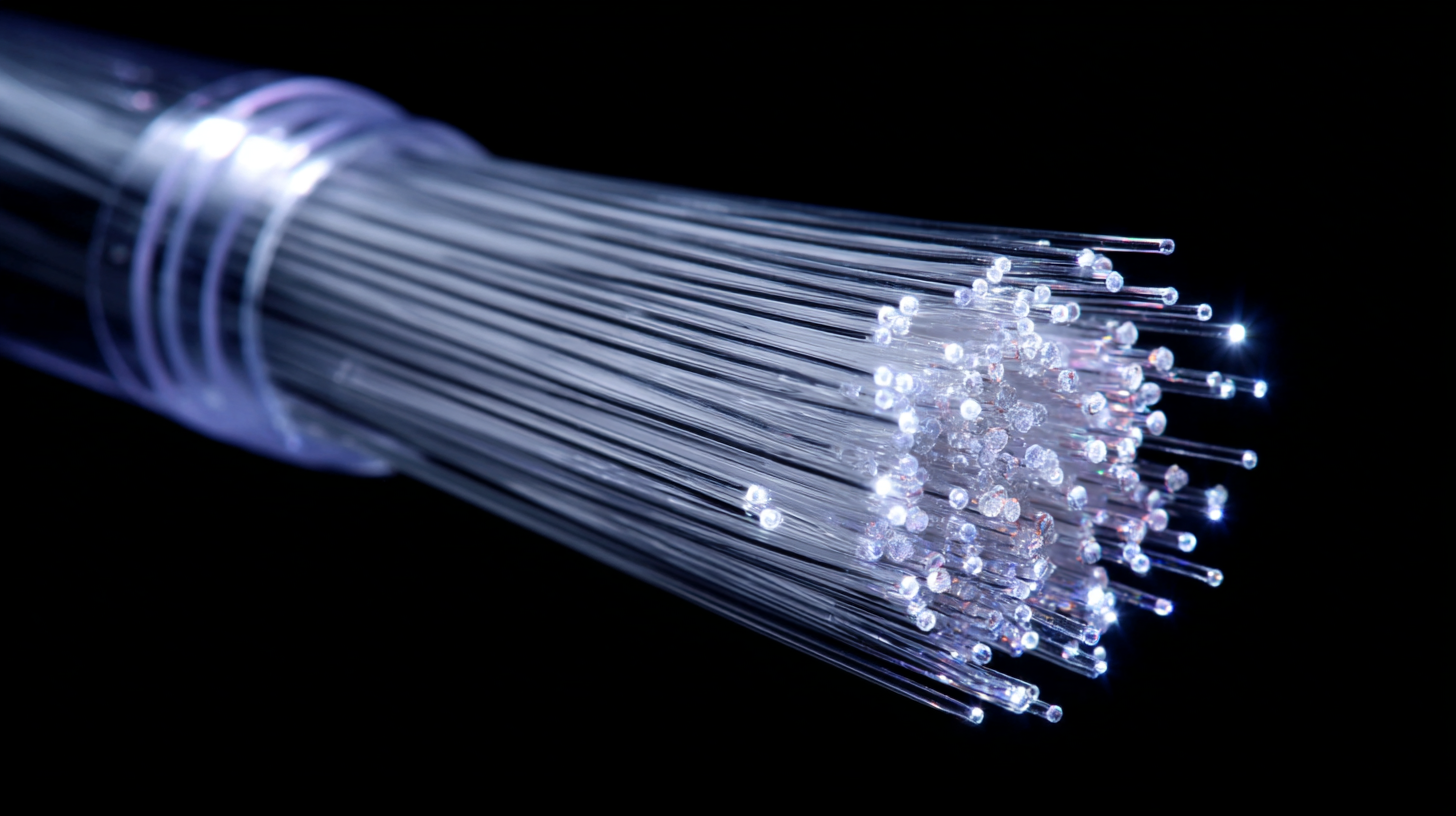
Fibre optic technology has revolutionized the way we connect our home networks, providing unparalleled speed and reliability. Compared to traditional copper cables, fibre optic cables allow for data transmission at speeds exceeding 1 Gbps, with potential upgrades to 10 Gbps and beyond, according to a report by the Fiber Broadband Association. This leap in performance is due to the use of light signals rather than electrical signals, which significantly reduces latency and increases bandwidth. Furthermore, fibre optic cables are less susceptible to interference from electronic devices, making them ideal for homes filled with smart gadgets.
Tip: When considering fibre optic for your home, ensure to check the distance between your home and the nearest access point. Longer distances may require additional amplification or special equipment to maintain signal quality.
In addition to speed and reliability, fibre optic cables offer greater security compared to traditional wiring, as they are more difficult to tap into without detection. The advantages of fibre optics also extend to reduced energy consumption—optical fibers consume up to 75% less power than copper cables for the same bandwidth, making them an environmentally friendly option.
Tip: While installing fibre optic networks can initially be costlier than copper, the long-term savings in maintenance and energy costs can make fibre a more economical choice in the long run.
Key Factors to Consider When Choosing Fibre Optic Cables
When choosing fibre optic cables for your home network, it's essential to consider several key factors that can significantly impact your internet experience.
The type of fibre optic cable, specifically single-mode versus multi-mode, can dictate the speed and distance capabilities of your network.
Single-mode cables are ideal for long-distance communication, while multi-mode cables are better suited for shorter distances within a building.
Another important consideration is the cable's bandwidth.
Higher bandwidth cables can support more data, making them a better choice for households with multiple devices or users engaged in high-bandwidth activities like streaming or gaming.
Additionally, ensure that the connectors and compatibility with your existing network hardware are suitable to prevent any connectivity issues.
Tips: When selecting fibre optic cables, check reviews and ratings from other users to gauge performance. Always opt for cables with adequate protective shielding to reduce signal loss and interference. Lastly, consider future-proofing your home network by investing in cables that offer the latest technology, ensuring your system remains efficient as your internet usage grows.
Installation Tips for a Smooth Fibre Optic Network Setup
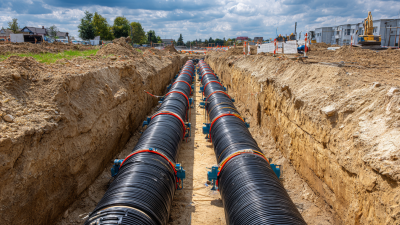
Installing a fibre optic network in your home is an excellent way to enhance your internet connectivity. To ensure a smooth setup, start by assessing your home's layout and determining the optimal cable routes. It's important to choose the right type of fibre optic cable that suits your needs—single-mode cables are typically used for long distances, while multi-mode cables are ideal for shorter runs within residential settings. Ensure you have the necessary tools on hand, such as a cable cutter, splicer, and termination kit, for an efficient installation process.
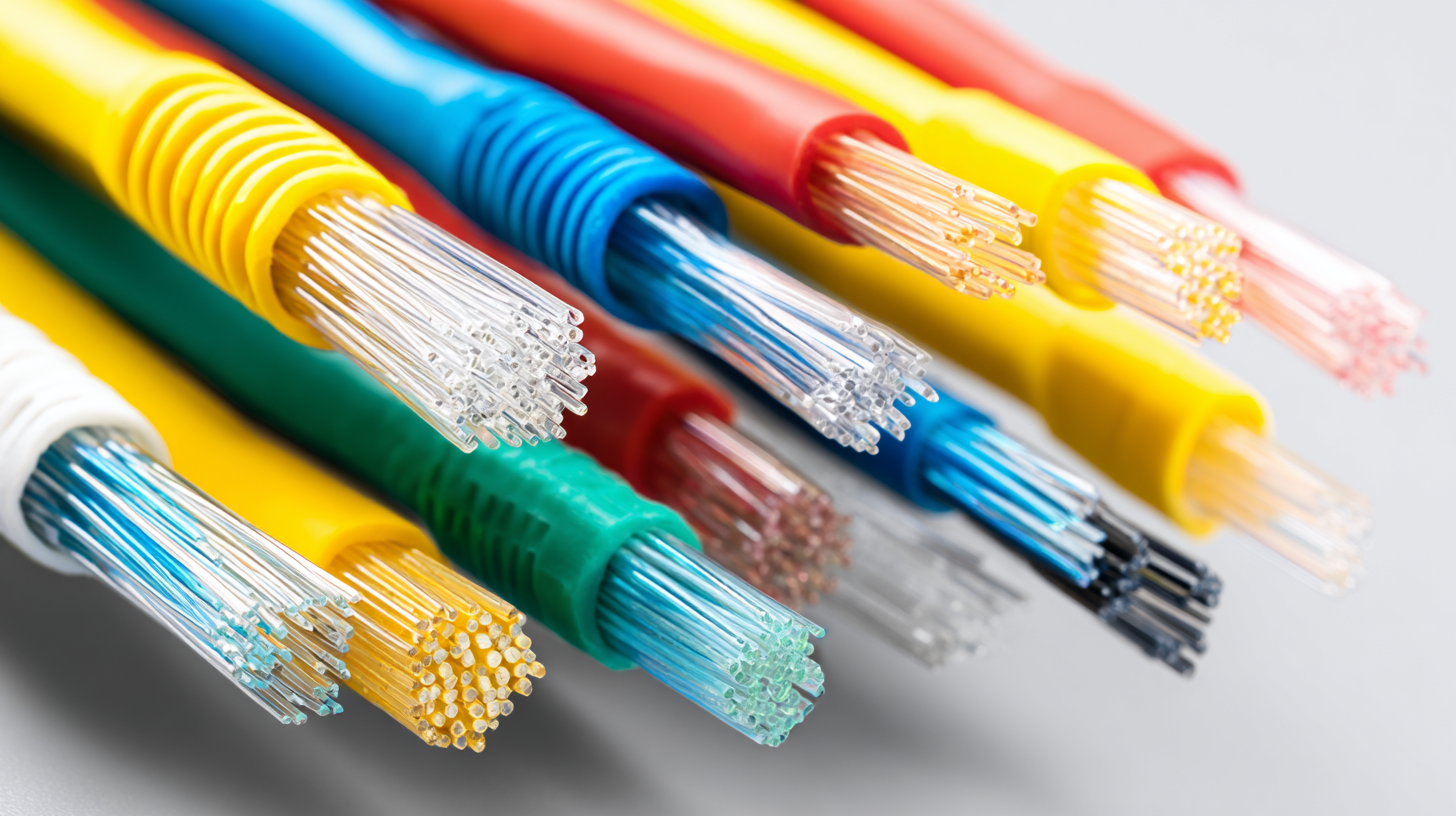
When it comes to installation, consider employing techniques that can further improve your network's performance. For instance, minimizing bends and avoiding sharp angles when laying cables can help maintain signal quality. Additionally, labeling your cables can make future troubleshooting much easier. As your network grows, keep an eye on upgrades that may improve speed, such as switching to a higher quality router or optimizing your Wi-Fi settings during peak usage times. These small adjustments can lead to significant improvements in your overall internet experience.
Comparing Fibre Optic with Traditional Copper Cables: Benefits and Limitations
When considering a home network upgrade, one must weigh the benefits of fibre optic cables against traditional copper cables.
Fibre optic technology provides several advantages, primarily in terms of speed and bandwidth.
According to industry reports, fibre optic cables can transmit data at speeds of up to 1 Gbps, significantly outpacing the maximum speeds of copper cables, which generally cap at 100 Mbps.
This performance is particularly crucial as internet usage continues to rise, with the average household now owning multiple connected devices.
Moreover, fibre optics offer greater reliability and lower latency.
Unlike copper, which is susceptible to electromagnetic interference, fibre optic cables maintain signal integrity over longer distances, thus ensuring a more stable internet connection even in densely populated areas.
A recent analysis highlighted that implementing fibre optics can yield a 30% increase in network capacity, making it an ideal solution for homes looking to future-proof their internet infrastructure.
While the initial investment for fibre optic installation may be higher, the long-term benefits of enhanced performance and reduced maintenance costs justify the choice for many homeowners.
Maintaining Your Fibre Optic Network for Optimal Performance
To maintain your fibre optic network for optimal performance, regular inspections and cleaning are essential. Dust and dirt can accumulate on connectors, leading to signal loss and decreased speeds. Using specialised cleaning tools, you should clean the connectors and ensure that there is no contamination on the ends of the fibre cables. Additionally, periodic checks of the entire system can help identify any wear or damage that may affect performance.
Another important aspect of maintenance is monitoring the network's performance. Utilizing network diagnostic tools can help you gauge the signal strength and speeds and identify any bottlenecks in your connection. Keeping software and firmware of your network equipment up to date is also crucial for ensuring smooth operation. By prioritising these maintenance practices, you can significantly enhance the reliability and efficiency of your fibre optic network, ensuring a seamless online experience for all users in your home.