What is aerial fibre cable and how does it work?
Aerial fibre cable has revolutionized communication infrastructure. It offers a vital solution for high-speed internet delivery in urban and rural areas. According to a recent industry report by MarketsandMarkets, the global aerial fibre optic cable market is expected to reach $3.1 billion by 2026. This growth reflects the increasing demand for reliable internet connectivity.
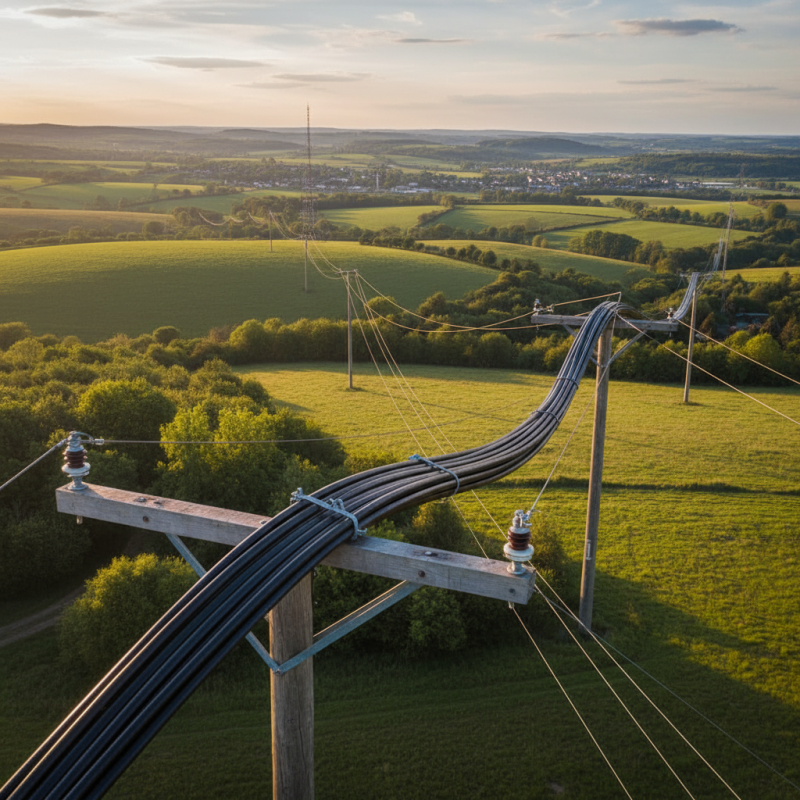
The design of aerial fibre cables is unique. They are often suspended from poles or towers, minimizing the need for underground installation. This method can save costs and reduce disruption. The cables are engineered to withstand environmental factors like wind, rain, and temperature shifts. Yet, challenges remain. Issues such as physical damage and maintenance can complicate operations.
Moreover, while aerial fibre technology is advancing, some regions still lack access to it. This disparity highlights the need for continued investment. Reliable deployment strategies must be developed. As the demand for faster internet grows, aerial fibre cable will play a critical role in bridging the connectivity gap.
What is Aerial Fibre Cable?
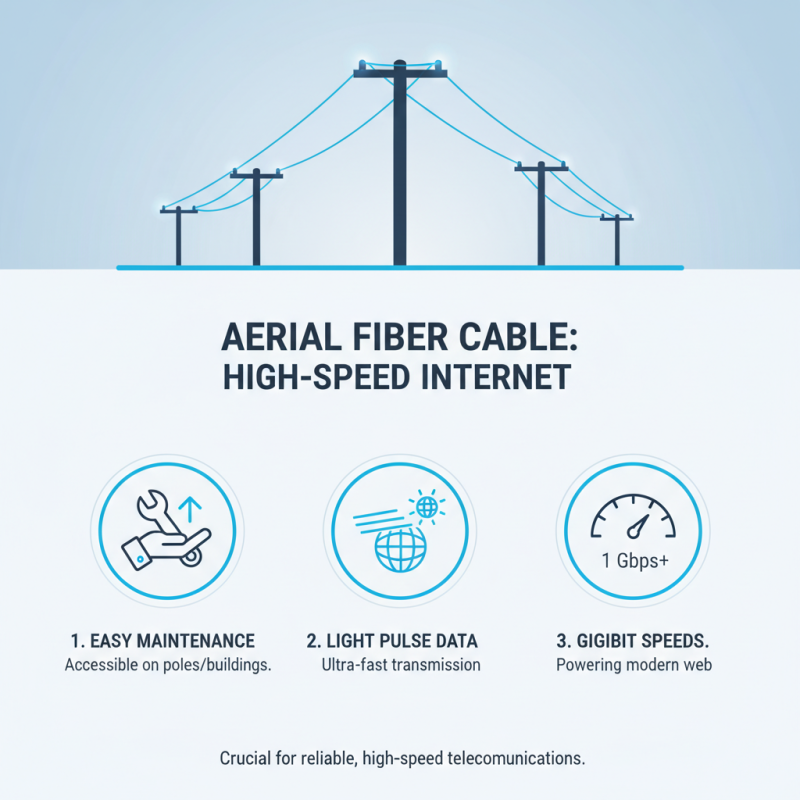
Aerial fibre cable is a crucial component of modern telecommunications. This type of cable is designed for outdoor installation, suspended between poles or buildings. Unlike underground cables, aerial fibre is more accessible for maintenance and repair. Fibre optic cables transmit data as pulses of light, allowing for high-speed internet connections. Reports indicate that fibre optic networks can deliver speeds up to 1 Gbps or even higher in some regions.
The installation of aerial fibre cable comes with its advantages and challenges. In urban areas, aerial solutions can expedite deployment, especially where digging is impractical. However, exposure to elements like wind, rain, and ice can wear down these cables over time. It's essential to regularly assess their condition, as damage can lead to service interruptions. According to industry studies, improper installation can reduce the lifespan of aerial fibre cables significantly.
Users may find that while aerial fibre offers high-speed connectivity, it is not entirely fault-proof. In remote locations, environmental factors can disrupt service. The balance between accessibility and durability poses questions for installers and service providers. Regular inspections and proactive maintenance strategies are crucial for ensuring optimal performance of these networks.
Components of Aerial Fibre Cable Systems
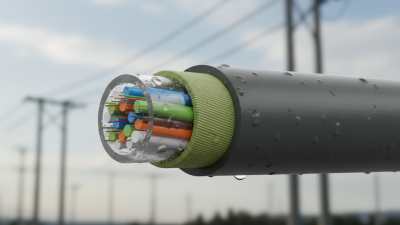
Aerial fibre cable systems comprise several essential components that work together to deliver high-speed internet. The primary elements include fibre optic cables, support structures, and protective coverings. The fibre optic cables, made of glass or plastic, transmit data as light signals. These cables are lightweight and flexible, making them ideal for aerial installations.
Support structures can include utility poles, towers, or building attachments. According to industry reports, over 60% of aerial fibre installations rely on existing infrastructure. This reduces costs and speeds up deployment. Properly installed support structures ensure the cable remains stable and reduces sagging or wear over time.
The outer protective coverings safeguard the fibres from environmental factors. The materials used must withstand extreme weather conditions, UV exposure, and physical impact. However, field reports indicate that improper installation can lead to cable breaks or service outages. This highlights the importance of skilled technicians in the installation process. Regular maintenance and inspections help prevent these issues, ensuring reliable service for users.
Aerial Fibre Cable Components and Their Typical Usage
How Aerial Fibre Cable is Installed
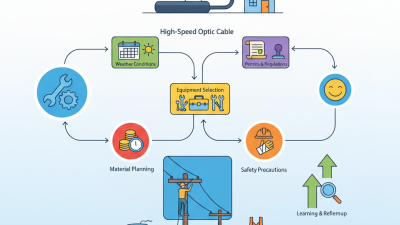
Aerial fibre cable installation is an intriguing process. It typically begins with careful planning. Technicians assess the best routes for the cable. They consider existing infrastructure and environmental factors. This phase may require permits and consultations with local authorities.
Once the route is planned, the installation can begin. Workers climb utility poles, attaching hardware to support the cables. They use tensioning equipment to ensure the cables are stretched properly. This step is vital for maintaining signal quality. The installation may involve working at great heights, which can be challenging. Safety measures are paramount. There are risks involved, and proper training is essential.
Fibre cables are then fed through the hardware. The entire operation must be coordinated, ensuring no disruptions to local services. Weather conditions can also affect the timelines. Aerial installations can be faster than underground systems, yet they face unique challenges. For instance, wind can sway the cables, creating tension issues. It's a delicate balance to achieve. Even with careful planning, unexpected complications can arise.
Advantages of Using Aerial Fibre Cable
Aerial fibre cable is increasingly popular in modern telecommunications. Its installation does not require extensive trenching. Instead, it is often strung between utility poles. This method speeds up deployment and reduces costs.
One clear advantage of aerial fibre cable is its quick installation. Projects can move forward even in challenging terrains. Since it does not disturb existing landscapes, it’s less disruptive. However, installation can sometimes lead to visual clutter. Balancing functionality and aesthetics is vital.
Durability is another strong point of aerial fibre cable. Designed to withstand various weather conditions, it shows resilience against wind and rain. Yet, it can be vulnerable to falling tree branches or severe storms. Regular maintenance checks are necessary to ensure optimal performance. Conscientious monitoring can minimize potential issues.
Applications and Use Cases of Aerial Fibre Cable
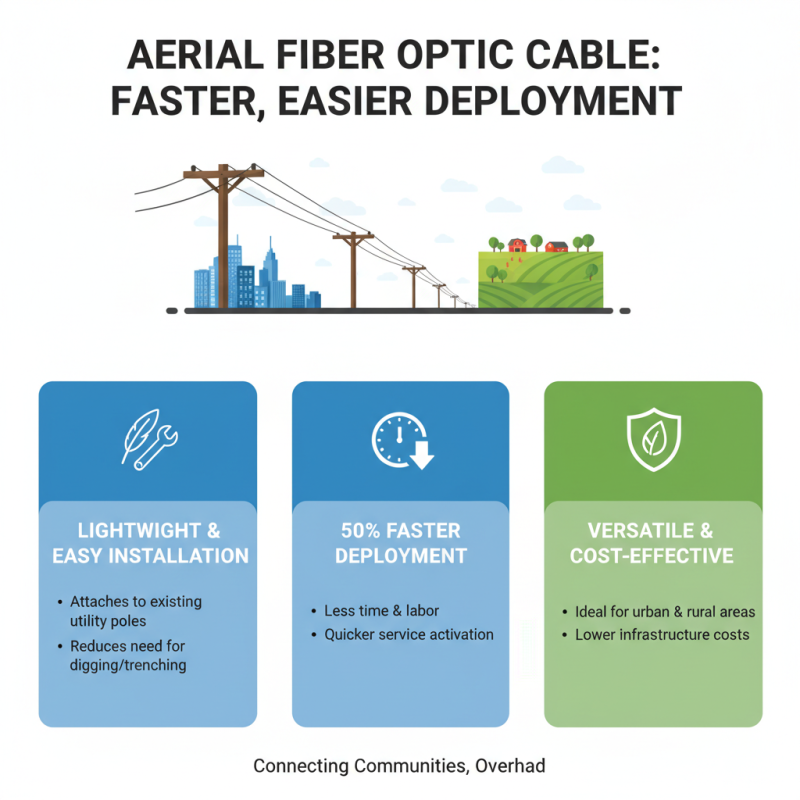
Aerial fibre cable is increasingly popular in urban and rural areas. Its lightweight design allows for easy installation on existing utility poles. This helps reduce the need for extensive digging or trenching. Reports show that aerial fibre installations can cut deployment time by up to 50%.
One major application of aerial fibre cable is in broadband connectivity. As demand for high-speed internet grows, aerial fibre provides a viable solution. According to industry data, nearly 70% of new fibre buildouts are aerial. This trend is evident in areas where traditional methods are too costly or time-consuming. Moreover, aerial fibre can adapt to various terrains, making it practical in challenging environments.
Another use case is in supporting telecommunications infrastructure. Aerial fibre is often deployed for backhaul connections. These connections link remote sites to larger networks. However, some challenges exist. Weather conditions can affect performance, leading to downtime. Proper maintenance is crucial, though not always prioritized. As the reliance on digital communication increases, reflecting on these issues becomes vital.