What is Aerial Cable and How is it Used?
Aerial cables are crucial in modern telecommunications. These cables are designed to be suspended above ground, often between utility poles. They provide a reliable connection for various services like internet, television, and telephone.
According to Jack Benson, an industry expert, "Aerial cables are the lifeline of communication networks." His insight highlights the importance of this technology. Yet, the installation and maintenance of aerial cables often present challenges. Weather conditions can easily damage these cables, causing connectivity issues.
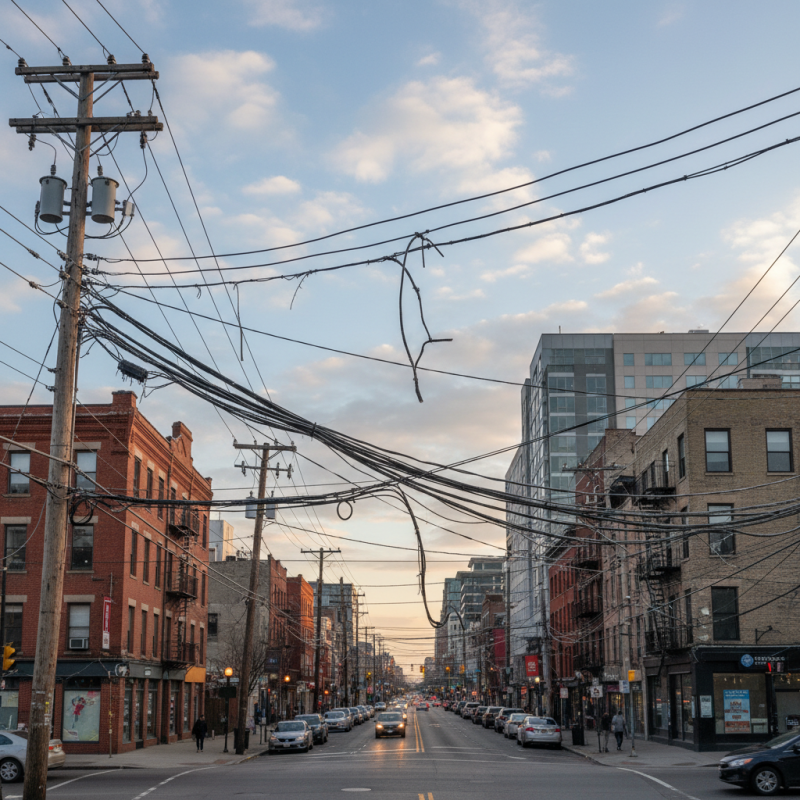
Moreover, visual clutter in urban areas can be a concern. Aerial cables can create an unsightly appearance. This imperfection calls for innovative solutions. Engineers are continually seeking ways to improve aesthetics without compromising functionality. Aerial cables remain vital in connecting communities, despite these hurdles.
Definition and Characteristics of Aerial Cable
Aerial cables are a type of overhead wire used primarily for transmitting electricity and telecommunications signals. These cables are characterized by their resilience and ability to withstand various environmental conditions. They are designed to hang above ground, attached to poles or towers, reducing the need for underground installations. The materials used often include insulated conductors, which provide safety and efficiency.
Industry reports indicate that aerial cables can be more cost-effective than traditional underground systems. In urban areas, they save on excavation costs. However, they may be more susceptible to damage from heavy storms or falling branches. Aerial cables are typically easier to maintain, but they require regular inspections to ensure reliability. The lifespan of these cables can vary, but many last around 30 years under optimal conditions.
In some cases, local regulations influence the specifications of aerial cables. The National Electrical Manufacturers Association highlights that these cables must meet strict safety guidelines. Despite their advantages, installation challenges remain. Factors like terrain and existing infrastructure can complicate the process. As cities grow and technology advances, the demand for aerial cables continues to evolve. Balancing cost, safety, and performance remains essential in this field.
Types of Aerial Cables and Their Applications
Aerial cables are vital tools in modern infrastructure. They are used to transmit electricity and communication signals. Different types of aerial cables serve various functions. Each type has distinct materials and designs suited for specific applications.
One major type is the overhead power cable. High-voltage systems benefit from this. According to a recent report by the International Energy Agency (IEA), more than 60% of electricity transmission occurs through aerial cables. This showcases their importance. However, durability can be an issue. Environmental factors can lead to degradation over time. It is essential to regularly assess these cables to ensure safety.
Telecommunication aerial cables are another type. They support broadband services, essential for connectivity. The Fiber Broadband Association states that aerial fiber deployments have surged by 30% in recent years. This growth highlights the increasing demand for high-speed internet. Yet, these cables can face unique challenges, such as wind damage. Installation should consider local weather patterns. Reliability is critical for ongoing advancements in communication networks.
Installation Methods for Aerial Cable Systems
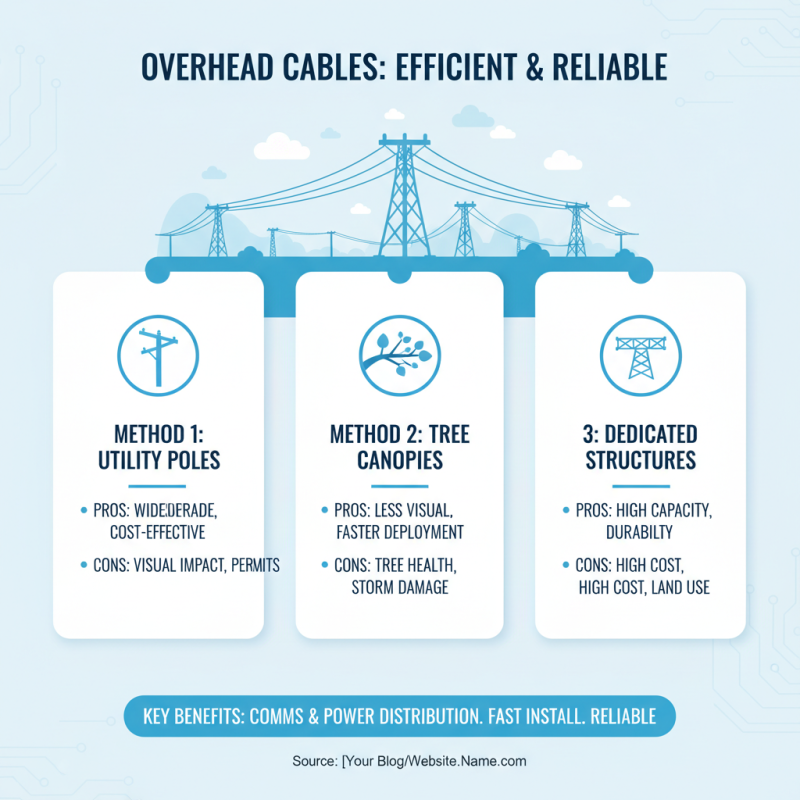
Aerial cables provide an efficient solution for overhead communication and power distribution. Their installation requires careful planning and execution to ensure safety and reliability. Common methods include using utility poles, tree canopies, and dedicated support structures. Each method has its pros and cons, impacting both installation cost and maintenance.
The use of utility poles remains the most popular way to install aerial cables. According to industry reports, nearly 68% of aerial installations rely on this method. However, challenging weather conditions can affect pole stability. Inspecting and reinforcing poles regularly is crucial. Tree-mounted installations can seem appealing, but they often face complications from tree growth. Additionally, they require frequent adjustments, which can drive up maintenance costs.
Tips: Always survey the installation area before beginning work. Tree pruning can be necessary, but excessive cutting might harm local ecosystems. Another strategy involves using tensioning systems to minimize sagging. Maintain the recommended tension to enhance cable longevity. Proper training for installation teams also helps mitigate risks and reduces errors in setup.
Advantages and Disadvantages of Using Aerial Cables
Aerial cables are widely used for overhead communication and power distribution. They have several advantages. First, aerial cables are easy to install and maintain. They do not require extensive digging, saving time and costs. According to a report by the International Energy Agency, aerial cables can reduce installation time by up to 30%. This efficiency is beneficial for projects with tight timelines.
However, there are notable disadvantages. Aerial cables are exposed to environmental elements, which can lead to wear and tear. Severe weather conditions may damage these wires. The same report highlights that aerial cables can experience a 15% decrease in lifespan in areas with harsh climates. Regular inspections are essential to mitigate these risks, adding labor costs.
Safety is another concern. Fallen cables can cause accidents or interfere with traffic. The risk of fire is higher if cables are damaged. While aerial cables offer flexibility, they also require careful planning and risk assessment. Stakeholders must weigh the benefits against these challenges to make informed decisions.
What is Aerial Cable and How is it Used? - Advantages and Disadvantages of Using Aerial Cables
| Aspect |
Description |
| Type of Aerial Cable |
Used for overhead power transmission and telecommunications. |
| Common Uses |
Electrical distribution, internet services, and telecommunication lines. |
| Advantages |
Easier installation, lower cost compared to underground cables, and accessibility for repairs. |
| Disadvantages |
More susceptible to weather-related damage, safety hazards, and aesthetic concerns. |
| Material Composition |
Typically made from aluminum or copper with insulation materials. |
| Environmental Impact |
Potential disruption to wildlife habitats and visual impact on landscapes. |
| Longevity |
Generally lasts 15-50 years depending on environmental conditions. |
Safety Considerations and Maintenance of Aerial Cables
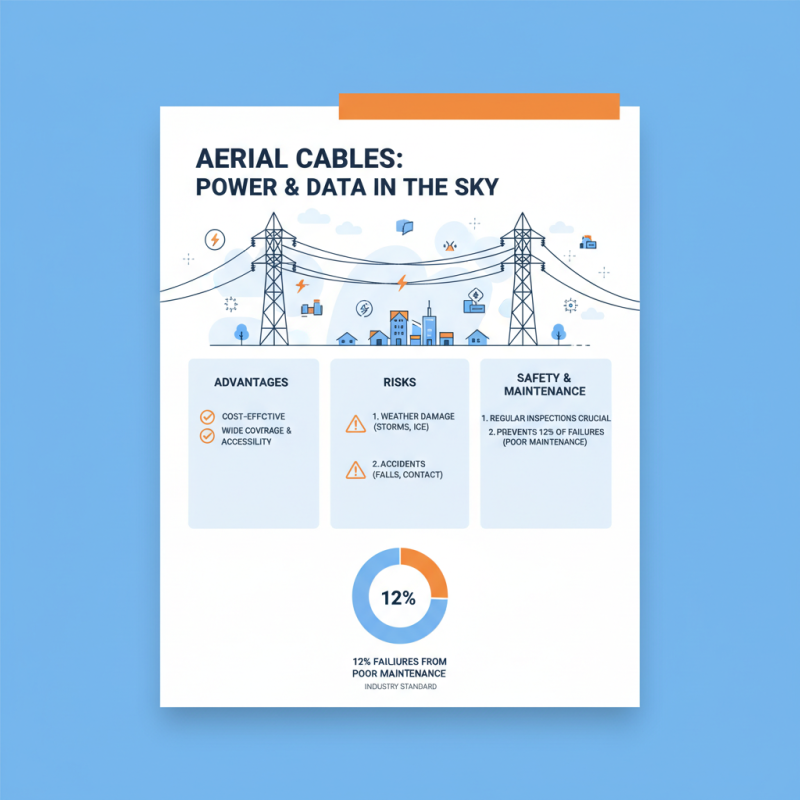
Aerial cables are widely used to transmit electricity and data. Their placement in the air offers advantages, but it comes with risks. Safety is crucial for personnel and the public. Regular inspections are necessary to ensure cables remain in good condition. According to industry standards, about 12% of aerial cable failures result from poor maintenance practices.
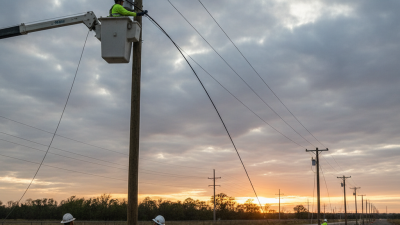
Maintenance involves checking for weather-related damage. High winds, snow, and ice can strain cables. Reports indicate that maintenance costs can rise 30% if issues aren't addressed promptly. Visual inspections can help identify potential problems early.
**Tips:** Always schedule regular maintenance checks. Educate workers on safety protocols. Use weather-resistant materials when possible. Taking these steps can prevent accidents and save costs. Remember, a proactive approach is better than a reactive response. Aerial cables require care and attention.