2025 Top Fibre Optic Installation Trends for Enhanced Connectivity Solutions
As we approach 2025, the landscape of telecommunications is on the brink of a profound transformation driven by advances in fibre optic installation technology. According to a report by the International Telecommunications Union, the demand for high-speed internet is projected to double in the next three years, pushing network operators to adopt more robust connectivity solutions. This surge in data consumption, fueled by the proliferation of smart devices and the expansion of IoT technologies, necessitates a greater focus on fibre optic infrastructure, which offers unparalleled bandwidth capabilities and enhanced performance over traditional copper cabling.
Incorporating insights from recent industry analyses, the fibre optic installation market is expected to grow at a CAGR of 10% from 2023 to 2030, as noted by the Global Market Insights report. This trend is not just about speed; it reflects a strategic shift towards sustainable and efficient network designs. As businesses and consumers alike seek reliable and fast internet connections, the leading trends in fibre optic installation for 2025 will not only influence the quality of connectivity but will also set the stage for the future of digital communication, bridging urban and rural gaps, and accommodating the explosive growth of data-centric applications.

Emerging Technologies Shaping Fibre Optic Installations in 2025
In 2025, the landscape of fibre optic installations will be dramatically shaped by several emerging technologies that promise to enhance connectivity solutions. One of the most significant trends is the integration of Artificial Intelligence (AI) in network design and maintenance. AI-driven analytics can optimize installation processes, ensure efficient cable routing, and predict potential failures before they occur, thus minimizing downtime and maintenance costs. Additionally, machine learning algorithms can help in analyzing data traffic patterns, enabling providers to deliver tailored connectivity solutions that adapt to users' evolving demands.
Another key technology influencing fibre optic installations is the advancement of autonomous drones for cabling and inspection tasks. By utilizing drones, technicians can access difficult locations without disrupting the surrounding environment, significantly speeding up installation and maintenance procedures. Furthermore, the advent of 5G and the Internet of Things (IoT) is leading to increased demand for higher bandwidth. As a result, installations will focus on smarter infrastructure capable of supporting a vast array of connected devices, paving the way for smarter cities and enhanced consumer experiences. The convergence of these technologies indicates a future where fibre optic installations will be more efficient, reliable, and integral to our connected world.
2025 Top Fibre Optic Installation Trends for Enhanced Connectivity Solutions
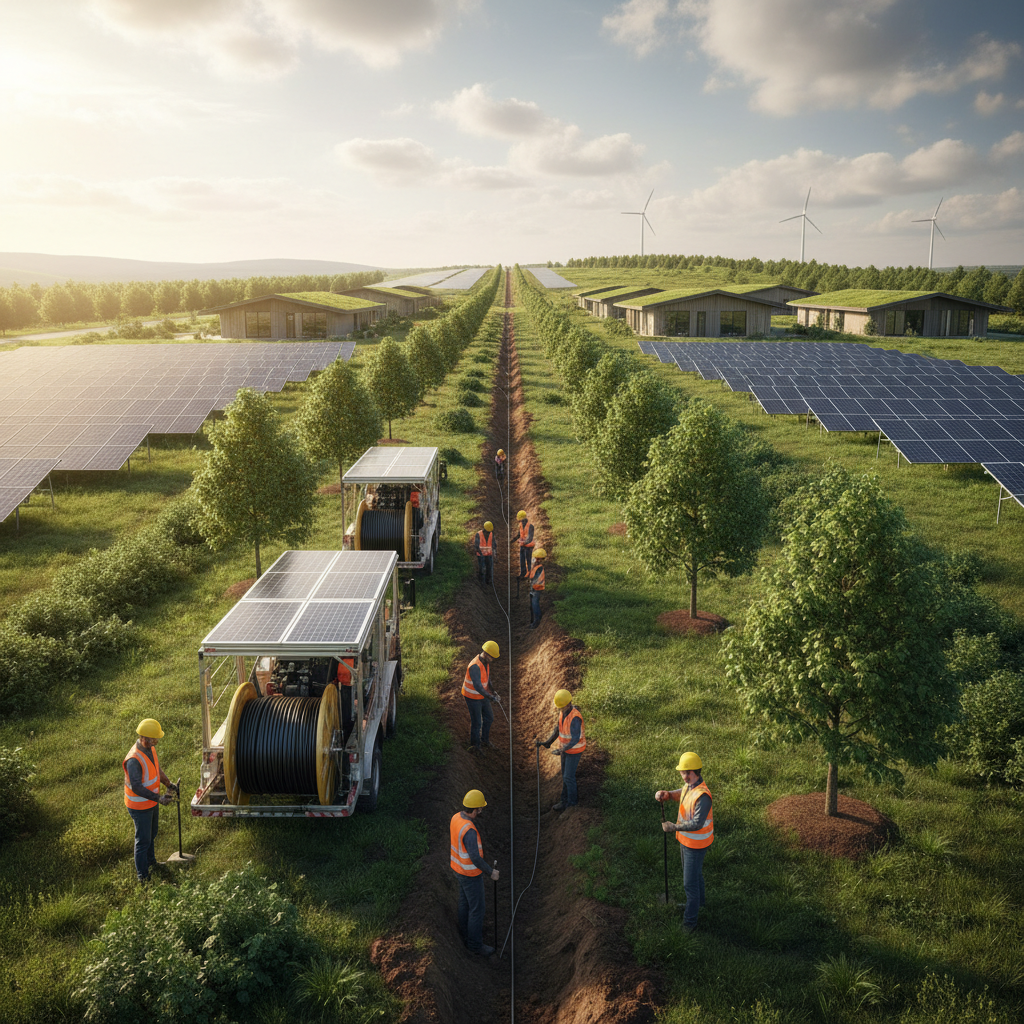
Sustainable Practices in Fibre Optic Installation for Green Connectivity
As the demand for enhanced connectivity solutions continues to rise, sustainable practices in fibre optic installation are gaining prominence. Emphasizing environmentally friendly methods not only reduces our carbon footprint but also ensures long-term viability for connectivity networks. This trend aligns perfectly with the global push towards sustainability, enabling businesses and communities to adopt greener technologies.
To incorporate sustainable practices in fibre optic installation, consider using materials that are eco-friendly and recyclable. Choosing cables with lower environmental impacts and utilizing energy-efficient installation techniques can significantly contribute to sustainability goals. Additionally, engaging in proper waste management, such as recycling old cables and equipment, helps minimize landfill contributions.
Tip: Before commencing an installation, conduct a thorough assessment of the project site to identify potential environmental impacts and opportunities for using sustainable materials.
Moreover, training personnel in green installation techniques can further enhance sustainability. Providing your team with knowledge on energy-efficient practices and the importance of eco-friendly materials not only boosts morale but also ensures that every installation adheres to the best sustainability standards.
Tip: Implement a certification program for your team that emphasizes sustainable installation practices, encouraging accountability and continuous improvement in green connectivity solutions.
The Role of AI and Automation in Streamlining Fibre Optic Deployments
The integration of AI and automation in fibre optic installations is revolutionizing the way connectivity solutions are deployed. As projects scale and demands increase, the complexity of installations necessitates advanced technologies to streamline processes. AI-driven algorithms can analyze vast amounts of data to optimize deployment strategies, ensuring that resources are allocated efficiently and potential issues are identified before they escalate. This proactive approach not only reduces operational costs but also significantly shortens installation timelines.
Moreover, automation enhances the precision and accuracy of fibre optic deployment. Drones and robotic systems can carry out site surveys and installations with minimal human intervention, allowing for intricate tasks to be accomplished with greater reliability. By utilizing AI to monitor real-time performance and adjusting operations dynamically, companies can achieve higher standards of quality assurance. The collaboration between AI and automation thus represents a critical shift in the fibre optic landscape, fostering enhanced connectivity solutions that meet the evolving needs of businesses and consumers alike.
Next-Generation Fibre Optic Materials for Enhanced Performance

The advancements in fibre optic materials are paramount as we move towards 2025, promising significant enhancements in connectivity solutions. The integration of next-generation fibre optic materials such as low-water-peak fibres and bend-insensitive fibres is revolutionizing the telecommunications landscape.
According to a report from the International Telecommunications Union (ITU), the demand for high-capacity networks is expected to grow at an annual rate of 25%, thereby necessitating these advanced materials to support increased data rates and bandwidth.
Additionally, emerging technologies like photonic crystal fibres and multi-core fibres are set to further bolster performance. A recent study by MarketsandMarkets suggests that the global fibre optic sensor market is projected to reach $4.57 billion by 2025, driven primarily by the need for real-time monitoring and increased reliability in data transmission.
These next-generation materials not only enhance the physical capabilities of fibre optics but also contribute to lower overall operational costs and improved performance metrics, making them vital to future-proofing connectivity infrastructure.
Trends in Fibre Optic Network Security for Future-Proof Connectivity Solutions
In the evolving landscape of digital communication, fibre optic network security has emerged as a central concern for organizations looking to ensure robust connectivity solutions. As cyber threats become more sophisticated, the need for fortified security measures in fibre optic installations is paramount. Techniques such as encryption, coupled with advanced authentication protocols, are being increasingly integrated into network design to safeguard data integrity and privacy. The deployment of quantum encryption technology represents a significant leap forward, offering unparalleled protection against potential attacks.
Moreover, the adoption of automated monitoring systems is set to enhance the resilience of fibre optic networks. These systems utilize artificial intelligence and machine learning algorithms to monitor traffic patterns and detect anomalies in real time. This proactive approach not only allows for quicker responses to potential security breaches but also helps in the optimization of network performance. As organizations invest in fibre optic technologies, prioritizing security trends will be essential to build a future-proof connectivity infrastructure that can withstand the challenges of a digital-first world.
2025 Top Fibre Optic Installation Trends for Enhanced Connectivity Solutions
| Trend |
Description |
Impact |
Projected Growth (%) |
| Increased Use of 5G Integration |
Fibre optics supporting higher bandwidth for 5G networks. |
Enhanced mobile connectivity and internet speed. |
45% |
| Adoption of Smart Infrastructure |
Smart buildings utilizing advanced fibre optic networks. |
Improved building management and operational efficiency. |
30% |
| Focus on Network Security |
Implementation of enhanced security protocols to protect data. |
Reduced risk of data breaches and cyber threats. |
50% |
| Rise of Open Access Networks |
Shared fibre networks allowing multiple service providers. |
Increased competition and lower prices for consumers. |
40% |
| Sustainable Fibre Optic Solutions |
Usage of environmentally-friendly materials and practices. |
Better alignment with green initiatives and regulations. |
35% |